Top Landscaping Services in Wilderness Rim, WA, 98045 | Compare & Call
There are 203 landscaping companies server in Wilderness Rim WA
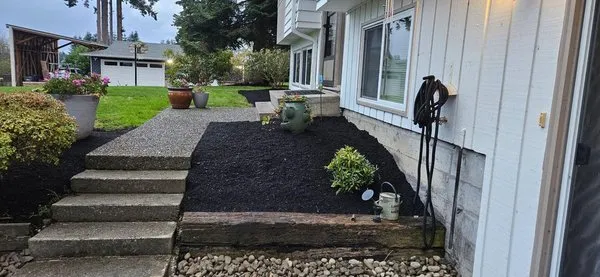
Amazing Landscapes
For over 16 years, Santos Garcia has cultivated a deep passion for transforming outdoor spaces in Lake Stevens. His journey began at age 16 in Seattle, where he honed his skills on high-profile proper...
Sunview Landscaping is your trusted, local partner for creating and maintaining beautiful, healthy outdoor spaces in Lynnwood, WA. We understand the specific challenges homeowners face in our area, fr...
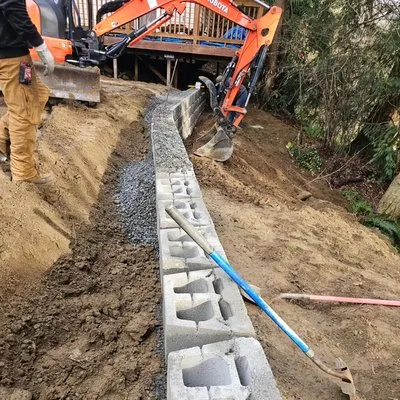
For over 35 years, Corona Landscaping has been a trusted family-owned business in Monroe, WA, dedicated to enhancing outdoor living. Founded by father-and-son team Abel and Angel, we combine deep expe...
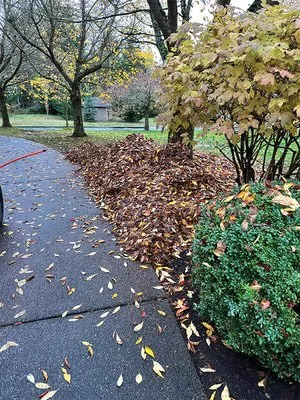
Spring Landscape is a family-owned landscaping company in Auburn, WA, established with just three loyal neighbors and grown through word-of-mouth over nine years. We specialize in comprehensive servic...
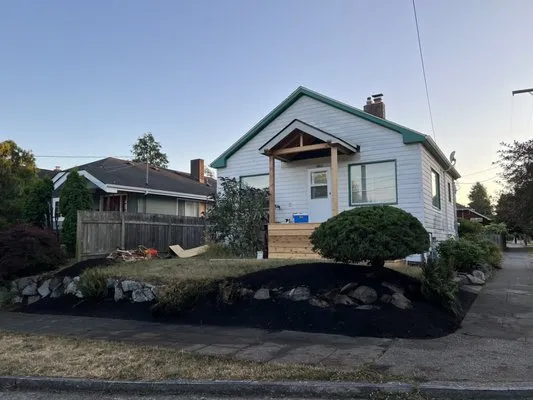
Cedillo Garden Service is a trusted landscaping company serving Seattle, WA, dedicated to keeping local yards healthy and beautiful. We specialize in gardening, landscape maintenance, and lawn care to...
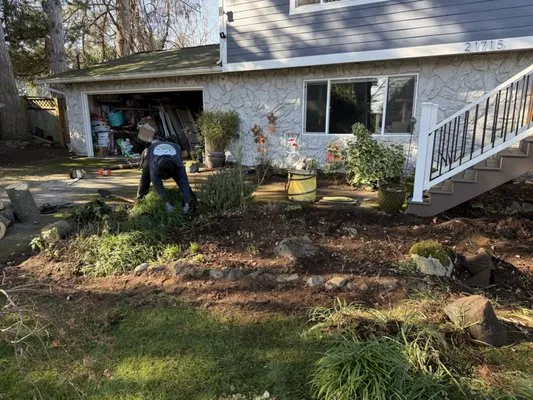
At Ameeri's Lawn Care in Kent, WA, we believe your yard should be a source of pride, not just another chore. Our approach goes beyond basic mowing to provide comprehensive, affordable lawn care tailor...
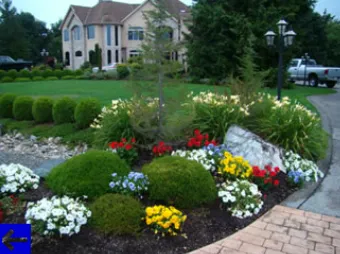
Luxor Landscape, Inc is a Maple Valley, WA-based landscaping company specializing in comprehensive outdoor solutions for local homeowners. We address common local issues like tree root lawn damage and...
Jose Ramos Landscaping is a full-service landscaping company serving Renton, WA, with over 25 years of experience transforming outdoor spaces. We specialize in comprehensive solutions from basic lawn ...
What's Clippin Landscaping is a Renton-based landscaping company dedicated to enhancing the health and beauty of local outdoor spaces. We understand the specific challenges faced by Renton homeowners,...
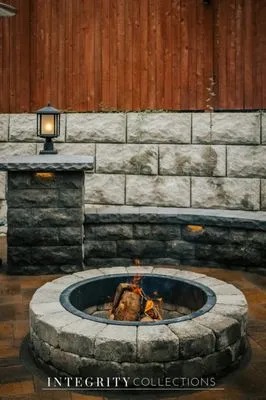
Integrity Outdoors is a trusted landscaping and hardscaping company serving Auburn, WA, and surrounding Pierce, King, and Snohomish Counties. With over 20 years of experience, we specialize in compreh...
Estimated Landscaping Service Costs in Wilderness Rim, WA
Common Questions
Can we have a healthy lawn under Stage 1 water conservation rules?
Yes, healthy Fine Fescue or Kentucky Bluegrass is achievable under voluntary conservation. Wi-Fi ET-based irrigation controllers are the key technology. They adjust watering schedules daily based on local evapotranspiration data, rainfall, and humidity. This system applies water only when and where the turf needs it, eliminating waste and keeping your lawn within municipal water budgets while maintaining vigor.
Our lot has the same compacted, gravelly soil as everyone else in Wilderness Rim. What does that mean for our soil health?
Wilderness Rim Central lots, developed in the early 1980s, now have 45-year-old soil profiles. This acidic, gravelly loam (pH 5.5-6.2) is naturally low in organic matter. Decades of foot traffic and standard mowing have compacted the surface layer, impeding root growth and water infiltration. Core aeration, followed by top-dressing with compost, is essential to rebuild soil structure and support deeper root systems for turf and native plantings.
How quickly can a crew respond for emergency storm debris cleanup to meet HOA compliance deadlines?
For urgent storm response in Wilderness Rim, a crew would dispatch from the Wilderness Rim Community Park staging area. The route via I-90 allows for a 45 to 60-minute arrival during peak traffic, depending on incident location. This timeframe is calibrated for initial safety assessment and rapid debris mobilization to clear driveways and critical access points, helping property owners avoid compliance fines.
We want to reduce mowing and gas equipment noise. What are our options?
Transitioning high-maintenance turf areas to a palette of natives like Oregon Grape, Western Sword Fern, and Red Flowering Currant is a forward-looking strategy. These plants require no mowing, minimal summer water once established, and thrive in the native acidic soil. This shift pre-emptively addresses evolving noise ordinances concerning gas-powered blowers and mowers, moving you toward a quieter, electric-maintenance landscape.
Our sloped yard is losing soil during heavy rains. What's the best long-term solution?
High subsurface permeability in this gravelly loam leads to rapid water movement and erosion on slopes. The solution integrates grade control with surface management. Installing permeable basalt pavers for paths and patios increases ground absorption while meeting King County runoff standards. For severe slopes, terraced retaining walls with deep gravel backfill and native groundcover like Salal will intercept and slow water, stabilizing the soil.
Does regrading our 0.35-acre sloped lot require a permit and a special contractor?
Yes. Significant regrading on a lot of this size in Wilderness Rim typically requires a permit from the King County Department of Local Services to ensure proper drainage and erosion control. Furthermore, the contractor must be registered with the Washington State Department of Labor & Industries. This licensing is mandatory for excavation work and provides you with essential bond and insurance protections for the project's scope.
Are permeable basalt pavers a better choice than wood decking for our fire-wise landscape?
For defensible space compliance in this high Fire Wise rating zone, inorganic materials like basalt are superior. Permeable basalt pavers are non-combustible, require no chemical treatments, and have a lifespan measured in decades, unlike wood which decays. Their installation creates a stable, low-fuel zone around the home and manages stormwater onsite, fulfilling both safety and environmental functions for a Wilderness Rim property.
We see Scotch Broom and Himalayan Blackberry invading from the forest edge. How do we manage them safely?
Scotch Broom and Himalayan Blackberry are high-priority invasive species in this Wildland-Urban Interface. Manual removal for smaller plants, followed by a targeted glyphosate application to cut stumps, is often necessary. Timing is critical to avoid the plant's active growth phases. This approach aligns with local fertilizer ordinances, as no phosphorus is used, and focuses on eliminating the root system to prevent regrowth.
