Top Landscaping Services in White Center, WA, 98106 | Compare & Call
There are 201 landscaping companies server in White Center WA
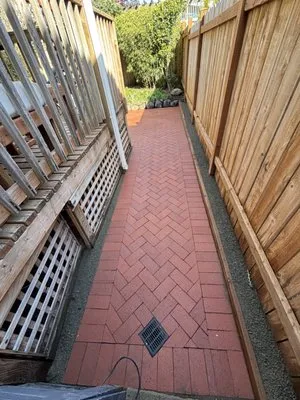
A-Z Landscaping is a locally owned and operated landscaping company serving Burien, WA, and surrounding areas. Founded in 2018 by owner Salvador, we specialize in comprehensive outdoor solutions inclu...
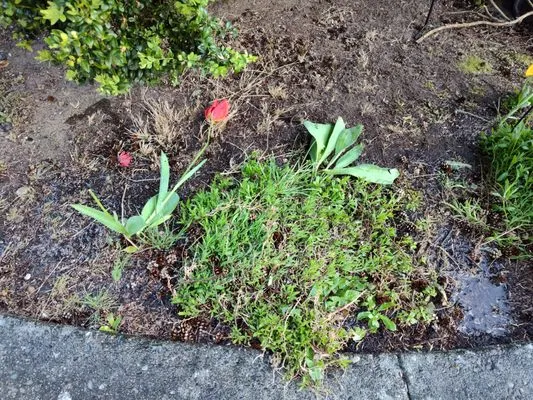
E&H Landscaping is a full-service landscaping company serving Kent, WA, specializing in comprehensive garden maintenance, fence and gate installation/repair, and tree/shrub care. We offer bi-monthly c...
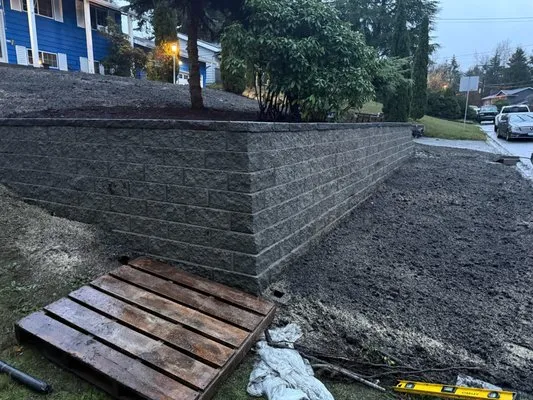
Samaniega’s Landscaping is a dedicated, locally-owned business serving Des Moines and the surrounding communities. We specialize in creating and maintaining functional, attractive outdoor spaces, focu...
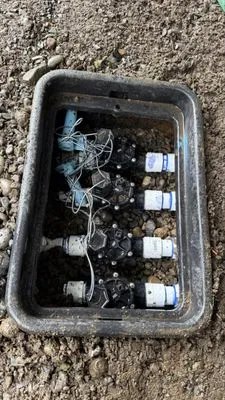
Imperial Garden is a full-service landscaping company serving Bellevue, WA, specializing in irrigation, design, and lawn care. We understand that many Bellevue homeowners struggle with yard drainage p...
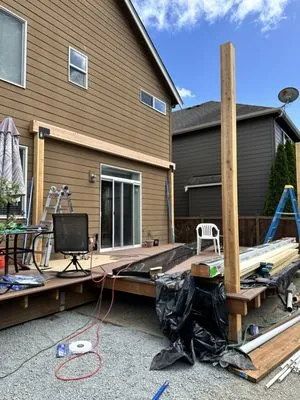
Lara Construction is a family-owned landscaping company serving Bellevue, WA, founded by Manuel after 22 years of hands-on experience with leading local firms. With specialized expertise from Uyeta La...
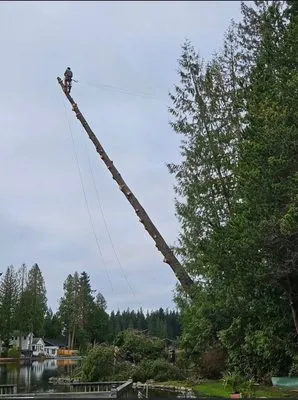
MTS Tree & Landscape is a family-owned company with deep roots in Issaquah and King County. Founded in 2005 and purchased by Alex Lasko in 2017, our expertise grew from Alex's hands-on experience that...
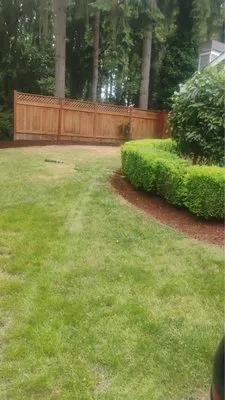
Sergio Landscaping Service transforms Kirkland's outdoor spaces with detailed, dedicated care. We focus on creating beautiful, healthy, and welcoming gardens and yards through personalized attention. ...
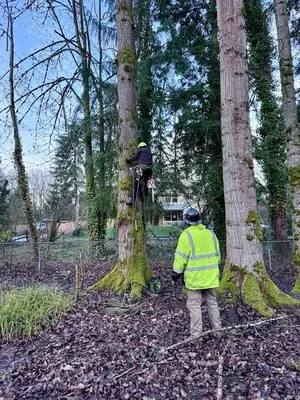
Thousand Oaks is a Kent, WA-based company specializing in comprehensive tree care, landscaping, and fencing services. For over 20 years, we've helped local homeowners maintain healthy, beautiful outdo...
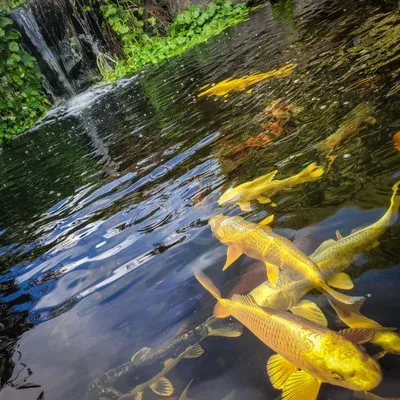
Falling Water Gardens
Falling Water Gardens in Monroe, WA is a comprehensive garden center and aquatic nursery that grew from the award-winning landscape design firm, Falling Water Designs. Founded by Rick, a pioneer in th...
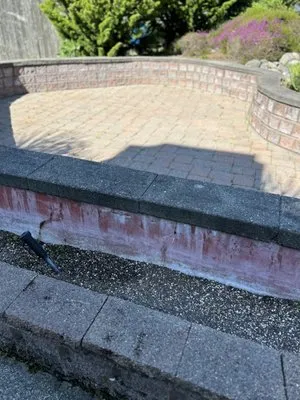
Beauty Garden Services is a family-owned landscaping company serving Tukwila and King County for nearly 40 years. Led by Mike Gagh and his dedicated team, we specialize in comprehensive yard solutions...
Estimated Landscaping Service Costs in White Center, WA
Questions and Answers
Do we need a permit to regrade our backyard, and what should we look for in a contractor?
Regrading a 0.15-acre lot often requires a permit from the King County Permitting Division, especially if it alters drainage patterns or involves significant soil movement. It is legally essential to hire a contractor licensed by the Washington State Department of Labor & Industries for this work. This licensing ensures they carry bonded insurance and possess the technical expertise to execute the project to code, protecting you from liability and substandard work.
We have a storm-damaged tree and need an emergency cleanup to meet HOA compliance. How fast can a crew get here?
For emergency storm response, our dispatch from the Steve Cox Memorial Park area via WA-509 provides an estimated arrival window of 25-35 minutes during peak traffic. Crews are equipped for immediate debris management and hazardous limb removal to secure the property. This routing prioritizes access to White Center West while accounting for real-time traffic conditions to ensure a timely resolution.
Our soil seems so compacted and acidic. Is this just how White Center soil is?
White Center West properties, typically developed on land cleared around 1968, sit atop over 50 years of mature, unamended Glacial Till. This soil naturally has an acidic pH of 5.5-6.2 and becomes densely compacted over decades, restricting root growth and water percolation. Core aeration paired with incorporating organic compost is critical to improve soil structure and microbial activity. Without this intervention, turf and ornamental plants will struggle to access nutrients and oxygen.
Our yard turns into a soggy mess every winter. What's the best long-term fix for drainage here?
Seasonal saturation is a direct result of our dense, acidic Glacial Till, which has very low permeability. The most effective solution integrates subsurface French drains with surface grading to direct water away from foundations. Replacing impervious surfaces with permeable concrete pavers for patios and walkways further reduces runoff, often helping projects meet King County Permitting Division standards for stormwater management on-site.
We've spotted English Ivy and Himalayan Blackberry taking over. What's the safest way to remove these invasives?
English Ivy and Himalayan Blackberry are high-priority invasive species that outcompete native flora. Manual removal, followed by a targeted application of glyphosate to cut stems in late summer, is most effective. This approach aligns with local fertilizer ordinances, as it involves no phosphorus and avoids spring blackout dates critical for protecting salmon-bearing waterways. Consistent monitoring for regrowth is essential for complete eradication.
How can we keep our lawn green during the summer without violating water conservation rules?
Under Stage 1 voluntary conservation, efficient water use is paramount. Smart Wi-Fi ET-based irrigation controllers are the solution, automatically adjusting schedules based on real-time evapotranspiration data from local weather stations. This technology applies water only when and where your Perennial Ryegrass and Fine Fescue blend needs it, eliminating waste. This precision maintains turf health while keeping consumption well within municipal guidelines.
We're building a new patio. Are permeable pavers really better than a traditional wood deck for our area?
For longevity and ecological function in White Center, permeable concrete pavers are superior. They resist rot and insect damage inherent to wood in our wet climate and provide critical stormwater management by allowing infiltration. Furthermore, their non-combustible nature contributes to defensible space, supporting your property's Moderate (WUI Zone 2) Fire Wise rating, an increasingly important consideration for homeowner's insurance.
We're tired of weekly mowing and gas equipment noise. Is there a lower-maintenance, quieter alternative?
Transitioning high-input turf areas to a xeriscape featuring native plants like Salal, Kinnikinnick, and Sword Fern drastically reduces maintenance. These plants require no mowing, minimal watering once established, and are adapted to our acidic soil. This shift also future-proofs your landscape against evolving King County noise ordinances targeting gas-powered blowers and mowers, aligning with 2026 sustainability and biodiversity benchmarks.
