Top Landscaping Services in West Richland, WA, 99320 | Compare & Call

There are 159 landscaping companies server in West Richland WA
Hillbilly Haulers is a trusted local service in Yakima, WA, specializing in lawn care, junk removal, and hauling. We help Yakima homeowners tackle common landscaping challenges like standing water in ...
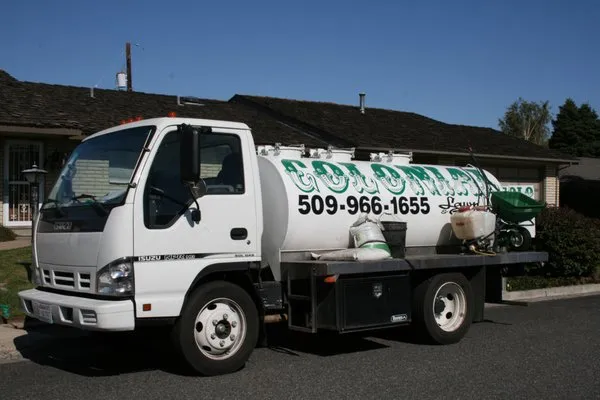
Colonial Lawn & Garden
Colonial Lawn & Garden is a Yakima-based, locally owned landscape company founded in 1985. With over 30 years of dedicated service, we understand the unique climate and soil conditions of the Yakima a...

Valle Landscaping & Lawncare provides reliable junk removal and lawn services for residents and businesses in Yakima, WA, and surrounding communities. We specialize in appliance, furniture, and mattre...
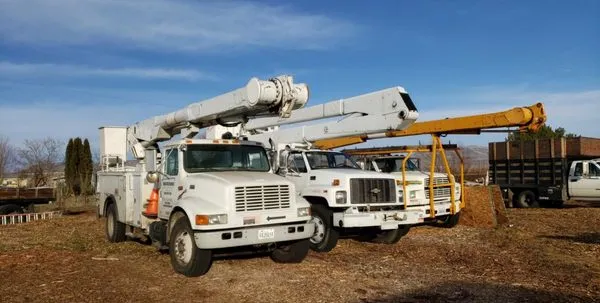
Uribe's Tree Service
Uribe's Tree Service is a trusted, family-owned and operated business serving Union Gap, Yakima, and the surrounding communities since 2010. As a fully licensed and insured team of trained arborists, ...
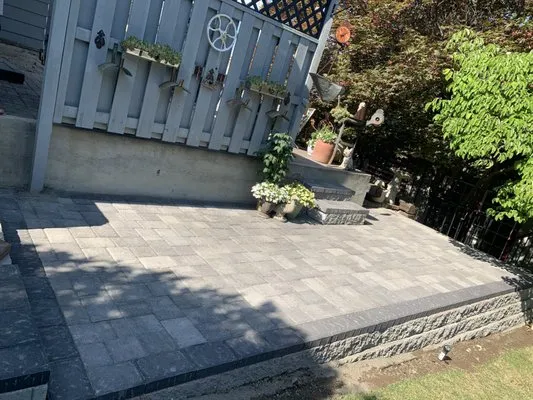
Specialty Landscape in Wapato, WA, is a full-service masonry, concrete, and landscaping company dedicated to transforming outdoor spaces in the local community. We specialize in a comprehensive range ...
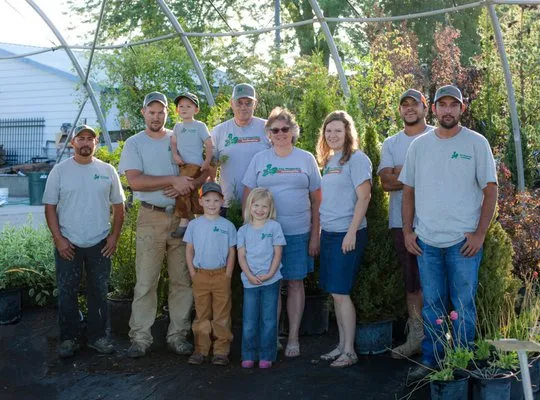
Since 1950, Van Wingerden Landscaping has been a trusted, family-owned name in Sunnyside and the greater Yakima Valley. Founded by John and Teuntje Van Wingerden, the business is now operated by secon...
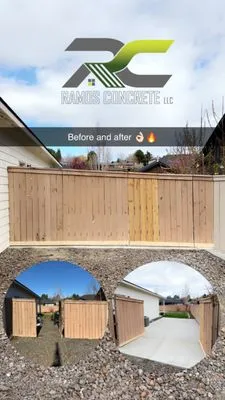
Ramos Concrete is a full-service masonry, concrete, and landscaping contractor serving Pasco, WA. We specialize in solving common local yard challenges, particularly soil compaction and poor drainage,...
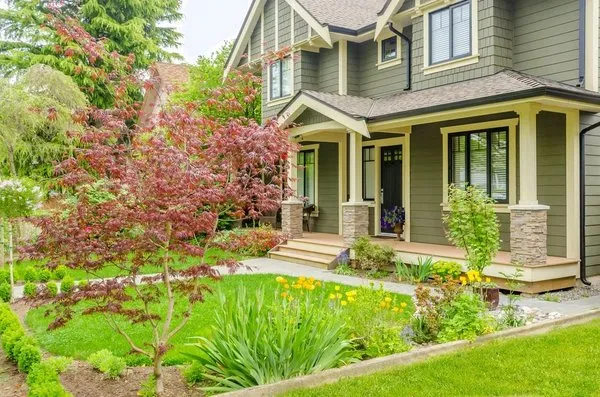
Brown Rock Landscaping
Brown Rock Landscaping is a trusted, locally owned and operated business serving the Toppenish area and the wider Yakima Valley. We specialize in creating and maintaining beautiful, functional outdoor...
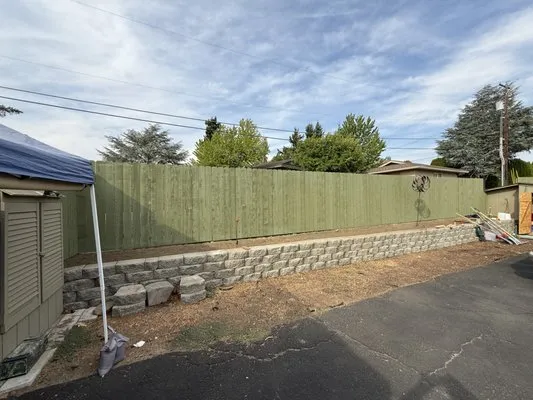
Advanced Hardscapes is a full-service general contracting and landscaping company serving Yakima, WA, and the surrounding valley. We turn your vision into reality, from new home construction and ADUs ...
First Choice Lawn Care
First Choice Lawn Care is a licensed landscaping service based in Toppenish, WA, serving the Yakima Valley and Tri-Cities area since 2017. We specialize in comprehensive lawn care, tree services, and ...
Estimated Landscaping Service Costs in West Richland, WA
Q&A
We want to regrade our backyard for better drainage. What permits and contractor qualifications are needed?
Regrading a 0.22-acre lot typically requires a permit from the West Richland Planning & Building Department to ensure proper stormwater management and adherence to grade change ordinances. Furthermore, any contractor performing this work must be registered with the Washington State Department of Labor & Industries. Hiring a licensed professional is crucial, as improper grading can create off-site drainage issues and legal liability. They will ensure the work meets all code requirements for soil compaction, slope, and integration with existing drainage patterns.
We're adding a patio and want durable, low-maintenance materials. How does basalt rock compare to wood?
Basalt decorative rock is superior to wood for longevity and fire safety in our environment. Wood decks require regular sealing and are susceptible to rot, while basalt is inert, requires no maintenance, and will not decompose. Critically, using non-combustible basalt for patios or pathways directly contributes to creating the defensible space required for a Moderate Fire Wise rating in our Wildland-Urban Interface (WUI) zone. It provides a permanent, fire-resistant hardscape that also complements the native aesthetic.
We want a green lawn but need to follow the city's water conservation rules. How is that possible?
It is achievable through precision irrigation. Under the current Stage 1 voluntary conservation, we program Wi-Fi ET-based weather-sensing controllers to deliver water only when evapotranspiration data indicates a need. This system applies water at a rate the silt loam soil can absorb, targeting the root zone of Kentucky Bluegrass or Tall Fescue. This method often uses less water than a manual schedule while maintaining turf health, as it automatically adjusts for daily changes in wind, temperature, and solar radiation.
We see a fast-spreading weed with long roots. Is this invasive, and how do we treat it safely?
You are likely describing field bindweed, a pervasive invasive here. Its extensive root system makes manual removal difficult. Safe treatment involves a targeted, systemic herbicide applied carefully to the foliage, strictly following label instructions. This must be done outside of any blackout dates specified by the State Phosphorus Ban, which restricts general applications near waterways. For organic suppression, consistent smothering with heavy mulch can be effective, though it requires patience and diligent reapplication to block the weed's access to light.
If a storm damages trees and we need urgent HOA compliance cleanup, what is your typical response time to our neighborhood?
For emergency cleanup in the Bombing Range Road Corridor, our standard dispatch routes from our staging area near Flat Top Park directly onto I-82. This allows a consistent arrival window of 20 to 30 minutes, even during peak storm response periods. We prioritize these calls to mitigate safety hazards and secure the site, bringing electric chippers and hand tools to comply with the local 7:00 AM to 10:00 PM noise ordinance. All debris is processed on-site or removed immediately to meet most HOA compliance deadlines.
We're tired of weekly mowing and loud gas blowers. Are there lower-maintenance, quieter landscape options?
Absolutely. Transitioning high-input turf areas to a xeriscape of native plants like Bluebunch Wheatgrass, Antelope Bitterbrush, and Rabbitbrush drastically reduces mowing and watering needs. These plants are adapted to our zone 7b climate and alkaline soils. Furthermore, maintaining such a landscape primarily requires electric hand tools, which operate quietly within the decibel limits of the local noise ordinance and support the industry's shift to electric maintenance fleets. This creates a resilient landscape that aligns with future water and noise regulations.
Our yard's soil seems compacted and nothing grows well. Is this typical for West Richland homes built around 2000?
Yes, that is a common issue. Homes built around 2000 in the Bombing Range Road Corridor have soils that are approximately 26 years old. The prevailing silt loam, with its naturally high pH of 7.5-8.2, tends to compact over time without intervention, forming a dense layer that restricts root growth and water percolation. Correcting this requires core aeration paired with incorporating organic compost to lower bulk density and improve soil biology. Without these amendments, turfgrass and ornamentals will consistently underperform due to poor nutrient availability and drainage.
Water pools in our yard and leaves a white, chalky residue. What's causing this and how do we fix it?
The pooling and residue indicate two related issues common to our high-pH silt loam soils: poor permeability and high alkalinity. The chalky residue is dissolved salts left behind as water evaporates. Solving this requires improving sub-surface drainage through strategic grading and channeling water away from foundations. Using permeable basalt decorative rock for patios or dry creek beds increases infiltration and meets West Richland Planning & Building Department runoff standards. Amending the soil with elemental sulfur can also gradually help neutralize the alkalinity.
