Top Landscaping Services in Walla Walla, WA, 99362 | Compare & Call

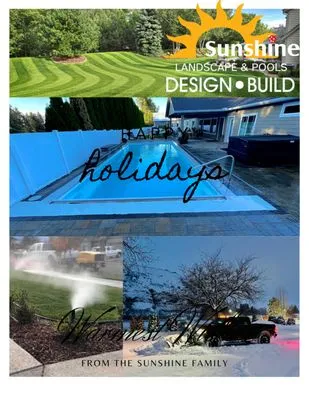
Sunshine Landscaping and Pool is a full-service landscape and hardscape contractor serving Walla Walla, WA. We specialize in transforming and maintaining outdoor spaces with services including earthmo...
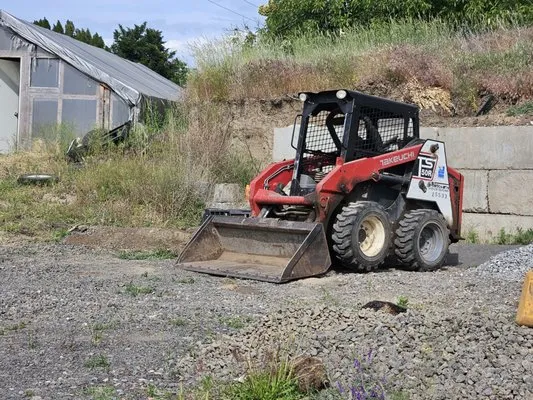
Art's Landscaping is a trusted Walla Walla landscaping company with 35 years of experience transforming local properties. Founded on a commitment to quality and professionalism, we specialize in compr...
Walla Walla Landscaping
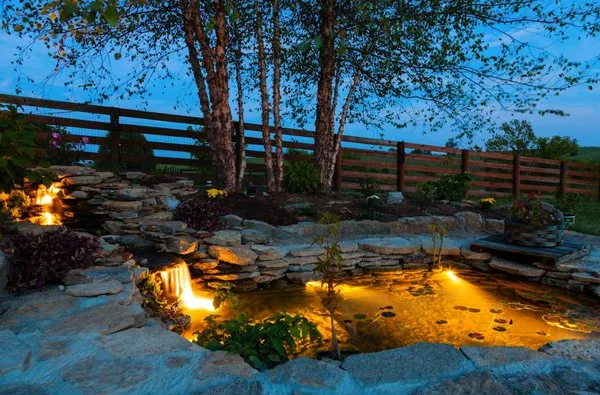
Walla Walla Landscaping is your trusted local partner for transforming outdoor spaces in the Walla Walla Valley. We offer a comprehensive suite of services, from landscape design and irrigation system...
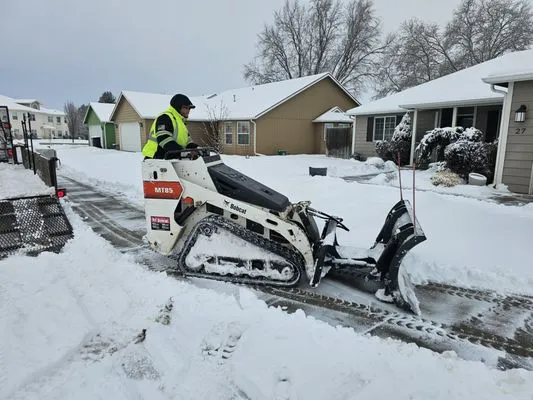
Ojcius Lawn Care is a Walla Walla-based landscaping company providing comprehensive lawn and garden services for local residents. We specialize in lawn care maintenance, landscaping design and install...
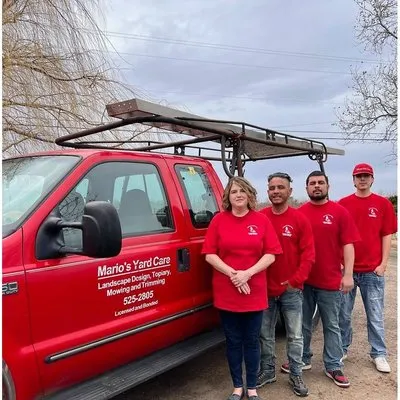
Mario's Yard Care is a family-owned and operated business in Walla Walla, WA, built on a foundation of hands-on expertise and local understanding. Founded as a father-and-son team, we specialize in tr...
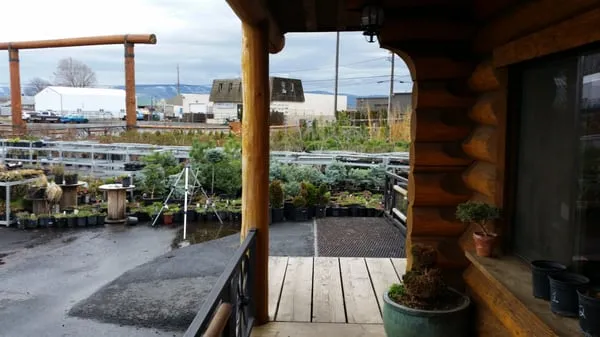
Ace Landscaping is a trusted, family-owned and operated contractor serving Walla Walla and the Tri-Cities for over 20 years. As a fully licensed, bonded, and insured business, we provide comprehensive...
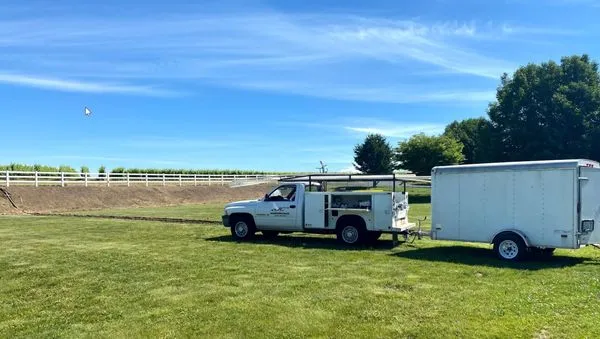
J C Irrigation & Landscaping is a trusted Walla Walla-based company specializing in comprehensive irrigation and landscaping solutions tailored to our region's unique climate. We help homeowners and b...
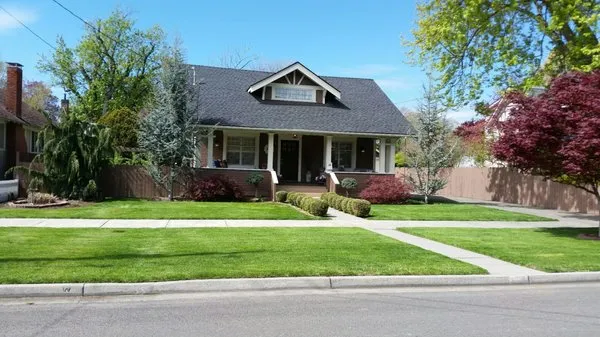
Rountree Home and Lawn Care provides comprehensive property care for Walla Walla residents. We handle all aspects of outdoor living, from foundational landscape design and installation to routine lawn...

Diamond Cut Landscape is a Walla Walla-based landscaping company specializing in comprehensive outdoor solutions for residential and commercial properties. Serving the Walla Walla Valley, we offer irr...
Muro's Landscaping is a Walla Walla-based lawn and irrigation specialist dedicated to solving the common local landscaping challenges homeowners face. We understand that yard drainage issues and persi...
Questions and Answers
What are my options for reducing lawn maintenance while supporting local ecology?
Replacing high-water turf with Lewis Mock Orange, Blue Elderberry, and Serviceberry creates habitat corridors while cutting maintenance by 70%. These natives require no chemical inputs once established, aligning with future gas-blower restrictions. Blanketflower and Douglas Aster provide pollinator support from spring through fall. A phased conversion approach allows soil microbiome adjustment while maintaining some functional turf areas.
Are basalt pavers a better choice than wood for patio construction?
Basalt pavers offer superior longevity with 50+ year lifespans versus wood's 10-15 years. Their non-combustible nature supports WUI Zone 2 fire-wise compliance by creating defensible space. Unlike wood, basalt requires no chemical treatments or regular sealing. The material's thermal mass moderates temperature extremes, and its natural texture provides slip resistance without compromising accessibility standards.
Why does my Walla Walla Downtown yard seem compacted and struggle with drainage?
Properties in Walla Walla Downtown with 1966-era construction have 60-year-old soil profiles. The predominant silt loam (pH 7.2-7.8) becomes dense over decades, reducing permeability and oxygen availability to roots. Core aeration every 2-3 years is essential to break up compaction layers. Incorporating 2-3 inches of composted organic matter annually improves soil structure and microbial activity, addressing the alkaline pH's tendency to lock up nutrients.
Can I maintain healthy turf while following Walla Walla's water conservation guidelines?
Wi-Fi ET-based weather sensing controllers optimize irrigation by matching evapotranspiration rates precisely. This technology reduces Kentucky Bluegrass and Tall Fescue water use by 20-30% while maintaining turf health during Stage 1 voluntary conservation. Programming separate zones for sun exposure variations prevents overwatering. Deep, infrequent watering cycles encourage deeper root systems that better withstand summer heat stress.
What solutions exist for seasonal ponding in my low-lying yard?
Moderate runoff in silt loam soils requires graded swales or French drains to redirect water flow. Basalt pavers installed with permeable joints meet Walla Walla Development Services Department runoff standards by allowing 40-50% infiltration. For severe cases, dry creek beds with native river rock provide both function and aesthetic appeal. Soil amendments like expanded shale can improve permeability in chronically wet areas.
How quickly can you respond to an emergency tree cleanup after a storm?
Emergency storm response from Pioneer Park via US-12 typically requires 20-30 minutes during peak conditions. Our electric maintenance fleet operates within standard decibel limits, avoiding noise ordinance complications. We prioritize safety assessments first, then implement systematic debris removal. For HOA compliance issues, we coordinate directly with property managers to establish clear timelines based on the specific violation severity.
What permits and licenses are needed for landscape grading on my property?
Grading on 0.15-acre lots requires Washington State Department of Labor & Industries contractor licensing for earthmoving exceeding 50 cubic yards. Walla Walla Development Services Department issues grading permits when changes affect drainage patterns or exceed 12 inches of cut/fill. Certified professionals carry erosion control bonding and understand silt fence placement protocols. Unlicensed grading can trigger stop-work orders and significant fines for sediment runoff violations.
How should I manage invasive weeds without violating fertilizer regulations?
Identify bindweed and cheatgrass early through regular scouting, as these are prevalent in Walla Walla's agricultural surrounds. Manual removal before seed set is most effective for small infestations. For larger areas, targeted spot treatments with EPA-approved herbicides avoid phosphorus ordinance violations. Maintain 3-4 inches of mulch to suppress germination, and establish competitive native groundcovers to occupy ecological niches.
