Top Landscaping Services in University Place, WA, 98464 | Compare & Call
There are 197 landscaping companies server in University Place WA
NW Landscape Management
NW Landscape Management is a licensed, bonded, and insured landscape contractor with over 25 years of dedicated service to Federal Way and the broader South Puget Sound area. As your local experts, we...
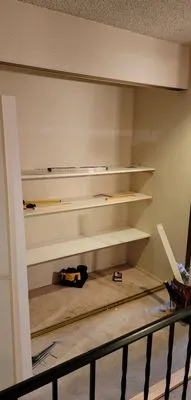
Founded by a U.S. Army veteran with over six years of experience as a mechanic, Puget Sound Handyman is a Tacoma-based service that combines technical skill with a dedication to community. We bring a ...
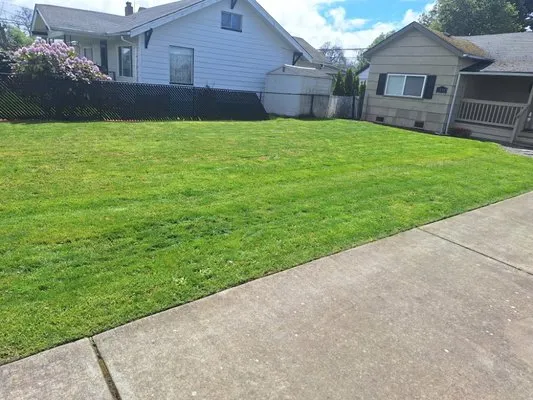
Curiel Landscaping is a family-owned landscaping business serving Lakewood, WA, with over five years of experience. Founded after years in the restaurant industry, we transitioned to pursue our passio...
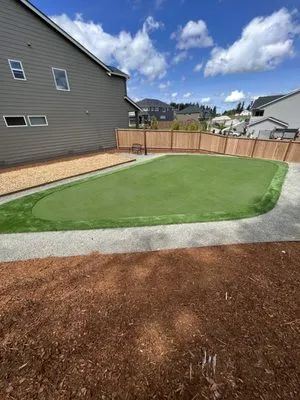
Pro Landscaping serves Tacoma, WA, with a full range of services from landscape design and construction to ongoing maintenance. We understand the unique challenges of local yards, including common iss...

God's Green Earth, LLC is a Tacoma lawn care company founded by local veteran Douglas. His passion began with caring for his own property, which grew into a desire to help neighbors enhance their home...
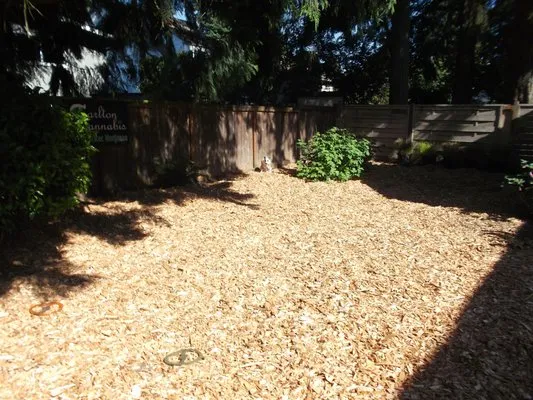
Local Lawns Plus is a family-owned, environmentally-conscious landscaping company serving Tacoma, WA. We specialize in creating and maintaining beautiful, healthy outdoor spaces for both homes and bus...
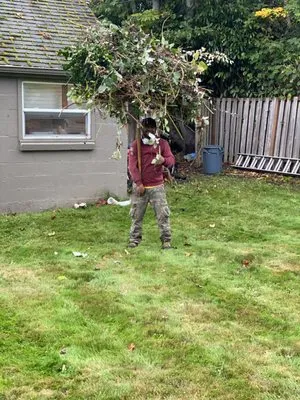
JR Hardscape & Landscape is a Tacoma-based company specializing in comprehensive outdoor solutions, including landscaping, fencing, gates, and roofing. We help local homeowners tackle common landscapi...
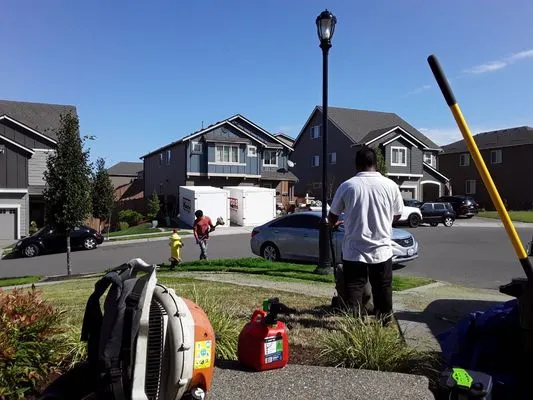
Carrillo's Landscaping is a licensed and bonded landscaping service based in Shelton, WA, with five years of experience serving the local community. They specialize in a comprehensive range of service...
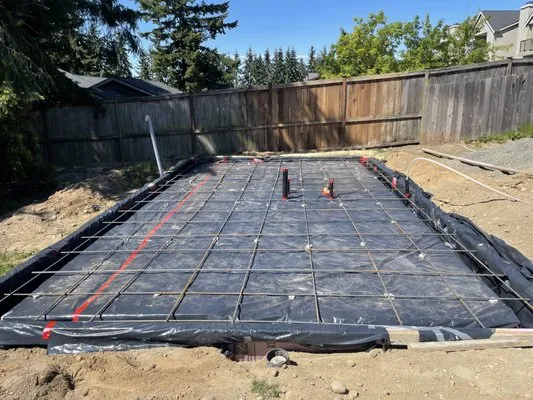
Landscape Creations is a family-owned masonry, fencing, and landscaping business serving Tacoma, WA, with over 16 years of local construction experience. We specialize in transforming outdoor spaces t...
Carlos Landscaping is a locally owned and operated landscaping company serving University Place, WA, and the surrounding areas. With several years of hands-on experience, our team is dedicated to prov...
Estimated Landscaping Service Costs in University Place, WA
Questions and Answers
How quickly can you respond to storm damage cleanup for HOA compliance in University Place?
Emergency storm response typically requires 20-30 minutes during peak conditions from our base near Chambers Creek Regional Park. We route via State Route 16 to access West End neighborhoods efficiently. This timing accommodates debris removal while adhering to University Place's restricted equipment hours of 7am-9pm weekdays. Our electric maintenance fleet operates quietly within these noise ordinance parameters.
How can I reduce landscape maintenance while supporting local ecology?
Transitioning high-maintenance turf areas to native plantings like salal, sword fern, and red flowering currant creates resilient, low-input landscapes. These species require minimal irrigation once established and provide habitat supporting 2026 biodiversity standards. Native plantings eliminate weekly mowing needs while staying ahead of evolving noise ordinances restricting gas-powered equipment. This approach reduces maintenance frequency by 60-80% compared to traditional turf.
Why does my University Place soil seem compacted and acidic even after years of gardening?
University Place's West End neighborhood was largely developed around 1978, giving soils approximately 48 years to mature since construction. Acidic glacial till with pH 5.5-6.2 dominates this area due to underlying geological formations. Over decades, construction compaction and minimal organic matter addition have reduced soil permeability. Core aeration combined with compost amendments can improve soil structure and microbial activity in these established lots.
What permits and licenses are needed for grading work on a typical University Place property?
Grading on 0.22-acre lots requires University Place Planning & Development Services approval for any cut/fill exceeding 50 cubic yards. Washington State Department of Labor & Industries licensing mandates contractors carry specific landscape construction endorsements. These regulations ensure proper erosion control and soil stabilization in areas with high runoff potential. Unlicensed grading risks significant fines and may void property insurance during storm events.
What solutions address persistent runoff issues in University Place's clay-heavy soils?
Saturated silty-clay subsoils in University Place create high runoff conditions common in glacial till formations. Permeable interlocking concrete pavers allow 80-95% of stormwater to infiltrate rather than contributing to surface flow. This system meets University Place Planning & Development Services' runoff standards by reducing peak discharge rates. Combining permeable hardscapes with French drains creates effective drainage networks for 0.22-acre lots.
Are permeable pavers better than wood decking for University Place's climate and fire risks?
Permeable interlocking concrete pavers outperform wood in longevity, requiring minimal maintenance over 25+ years versus wood's 10-15 year lifespan. Their non-combustible nature supports Moderate Fire Wise WUI standards by creating defensible space around structures. Unlike wood, pavers don't require chemical treatments that can leach into acidic soils. This material choice addresses both durability concerns and urban-interface fire safety requirements.
Can I maintain healthy turf while following University Place's water conservation guidelines?
Wi-Fi ET-based weather sensing controllers optimize irrigation for perennial ryegrass and fine fescue blends under Stage 1 voluntary conservation. These systems calculate evapotranspiration rates using local weather data, applying water only when soil moisture deficits occur. Properly calibrated smart controllers can reduce water use 15-25% while preserving turf health. This approach meets municipal water limits without compromising grass viability during dry periods.
What invasive species threaten University Place gardens and how should they be managed?
English ivy and Himalayan blackberry pose significant invasion risks in USDA Zone 8b. Manual removal during dormancy followed by phosphorus-free fertilizer application supports native plant recovery. Treatment timing must avoid RCW 15.54 blackout dates prohibiting certain applications. Organic amendments like compost tea introduce beneficial mycorrhizae without violating local fertilizer ordinances. Regular monitoring prevents re-establishment of these aggressive species.
