Top Landscaping Services in Terrace Heights, WA, 98901 | Compare & Call
There are 129 landscaping companies server in Terrace Heights WA
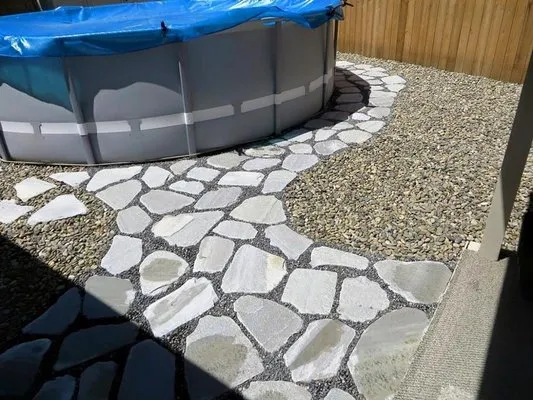
Brian's Garden & Landscaping is a full-service landscaping company serving Yakima, WA, dedicated to creating and maintaining beautiful, functional outdoor spaces. We specialize in resolving the common...
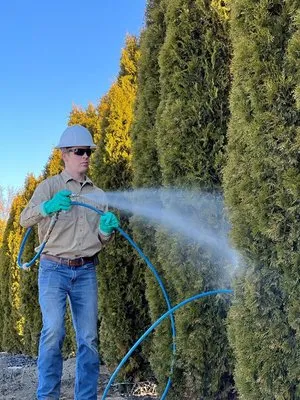
Arbor Care Lawn & Pest Control
Arbor Care Lawn & Pest Control is a family-owned, locally operated business serving Ellensburg, WA, and surrounding Kittitas and Yakima counties. We specialize in comprehensive pest control, lawn care...
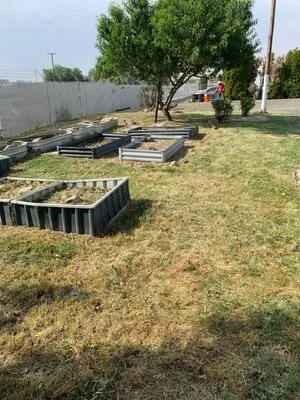
Paradise Lawn Care in Zillah, WA, provides reliable gardening, landscaping, and tree services to help local homeowners maintain beautiful and healthy outdoor spaces. We focus on practical solutions fo...
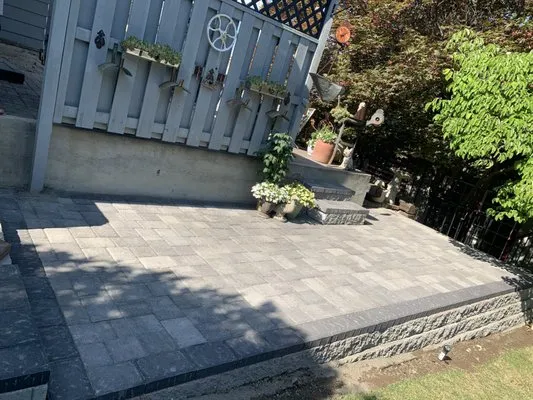
Specialty Landscape in Wapato, WA, is a full-service masonry, concrete, and landscaping company dedicated to transforming outdoor spaces in the local community. We specialize in a comprehensive range ...
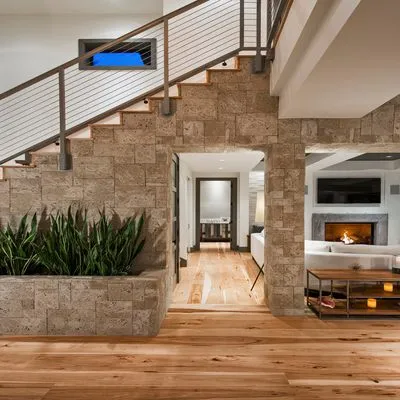
Western Materials has been a trusted partner for contractors and homeowners in Yakima and across Eastern Washington for over five decades. We supply the essential materials—from lumber and roofing to ...
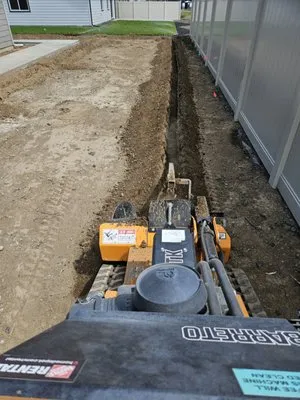
TMG Landscaping is a full-service landscaping company serving Yakima, WA, specializing in comprehensive outdoor solutions from design to maintenance. We address common local issues like tree root lawn...

Spotted Landscaping is a Yakima-based company offering comprehensive landscaping, handyman, and irrigation services to homeowners throughout the Yakima Valley. We specialize in creating and maintainin...
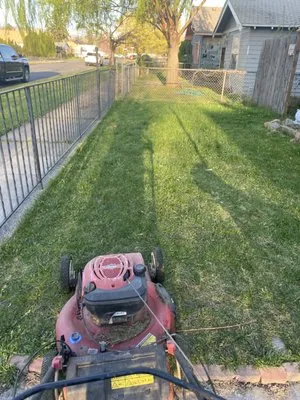
Yaks Landscaping and Cleaning is a locally-owned and operated business born right here in Yakima, WA. Founded by Angel, a 15-year-old entrepreneur with a deep-rooted passion for the outdoors, the comp...
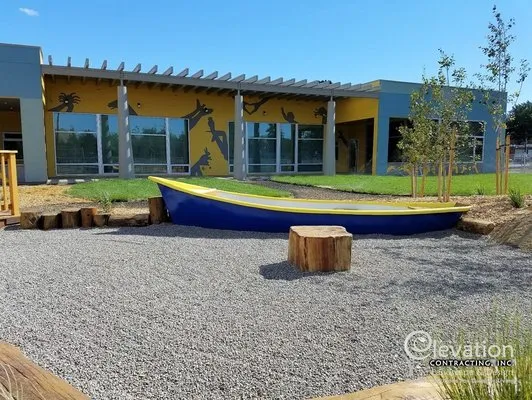
Elevation contracting
Elevation Contracting is a trusted, locally-owned contractor serving Ellensburg and the surrounding Kittitas Valley. We began as a dedicated landscaping company and have grown to become a comprehensiv...
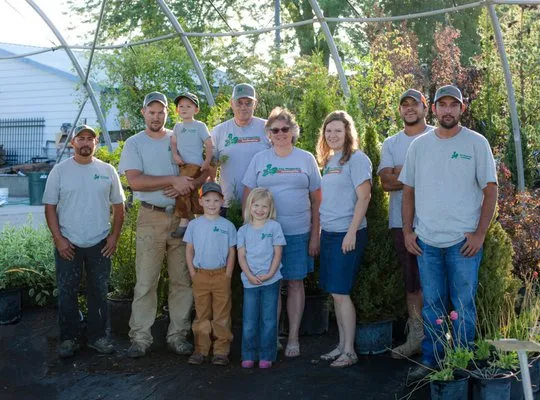
Since 1950, Van Wingerden Landscaping has been a trusted, family-owned name in Sunnyside and the greater Yakima Valley. Founded by John and Teuntje Van Wingerden, the business is now operated by secon...
Estimated Landscaping Service Costs in Terrace Heights, WA
Frequently Asked Questions
We've spotted invasive weeds like puncturevine and spotted knapweed. How do we treat them safely here?
Invasive species require immediate, targeted action. Manual removal before seed set is most effective for small infestations. For larger areas, a selective, systemic herbicide applied by a licensed professional during active growth phases is necessary. All treatments must comply with the local fertilizer ordinance, which prohibits phosphorus-containing products and may have specific blackout dates for application. A soil test should always precede any amendment to avoid nutrient runoff into the watershed.
We want to regrade our 0.25-acre lot. What permits and contractor qualifications are required?
Regrading on a 0.25-acre parcel typically requires a permit from the Yakima County Planning and Building Department to ensure compliance with drainage and erosion control plans. The contractor must hold a current, active license from the Washington State Department of Labor and Industries (L&I), specifically for landscaping or excavation work. This licensing verifies bonding, insurance, and adherence to state safety standards, protecting you from liability and substandard work that could affect property drainage and value.
We have a sudden HOA violation notice for overgrowth. How quickly can you respond for an emergency cleanup?
Emergency compliance cleanups are dispatched within 24 hours. For a property in the Terrace Heights Residential Core, our standard route originates from the Terrace Heights Civic Center, proceeds directly onto I-82, and reaches most addresses within the 20-30 minute peak response window. Crews operate within the 7 AM to 9 PM noise ordinance using electric maintenance equipment to avoid decibel violations, ensuring immediate and compliant resolution.
Is basalt flagstone a better choice than wood for a new patio, considering fire risk and longevity?
Basalt flagstone is superior for durability and fire mitigation. As a non-combustible mineral, it contributes to the defensible space required in our Moderate Wildland-Urban Interface (WUI Zone 2) rating. Unlike wood, which requires regular sealing and deteriorates, basalt is structurally permanent and maintains permeability when set on a gravel base. This creates a stable, low-maintenance surface that aligns with both aesthetic goals and Firewise community principles.
Our yard pools water after rain, worsening the hardpan. What's a lasting solution for this runoff?
Moderate runoff on compacted, alkaline silt loam requires subsurface intervention. Installing a French drain system with a permeable fabric wrap redirects water away from foundations. For new hardscapes, specifying permeable concrete or basalt flagstone set on an open-graded aggregate base increases ground infiltration. These solutions meet Yakima County Planning and Building Department runoff management standards by mitigating surface flow and reducing erosion potential.
With Stage 1 water conservation in effect, how do we keep our Kentucky Bluegrass healthy without overwatering?
Effective irrigation relies on precision, not volume. Wi-Fi ET-based weather sensing controllers are mandated for this climate, automatically adjusting schedules based on real-time evapotranspiration data from local weather stations. This technology applies water only when the turf's calculated need exceeds rainfall, preserving the grass while staying well within voluntary municipal limits. Properly calibrated, these systems can reduce seasonal water use by 20-30% compared to traditional timers.
We're tired of constant mowing and gas blower noise. Are there lower-maintenance, quieter landscape options?
Transitioning to a climate-adaptive xeriscape with regional natives like Bluebunch Wheatgrass, Antelope Bitterbrush, and Blanketflower eliminates weekly mowing and drastically reduces irrigation needs. This planting strategy creates habitat and stays ahead of evolving noise ordinances targeting gas-powered equipment. The deep root systems of these plants also combat soil compaction and sequester carbon, building a more resilient and biodiverse landscape for 2026 standards.
Our Terrace Heights yard was built in the 90s, and nothing seems to thrive. Is the soil just worn out?
The issue is soil maturity, not depletion. Lots from the 1992 average build year have over three decades of development-related compaction, creating a dense, impermeable layer. The native Aridisol silt loam naturally has a high pH of 7.6-8.2, which inhibits nutrient availability. Core aeration in early spring, followed by amending with a low-rate, high-quality compost, is critical to improve soil structure and biological activity. This process addresses the alkaline compaction common throughout the Terrace Heights Residential Core.
