Top Landscaping Services in Sumner, WA, 98047 | Compare & Call
There are 217 landscaping companies server in Sumner WA
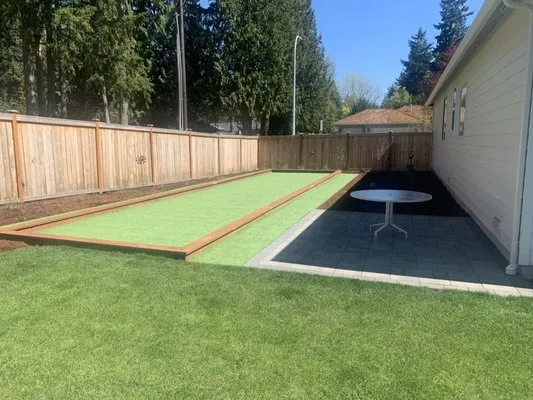
True Design Landscape is a family-owned Puyallup business with over 14 years of experience turning outdoor dreams into reality. Founded in 2010, we've grown from landscape maintenance to a full-servic...
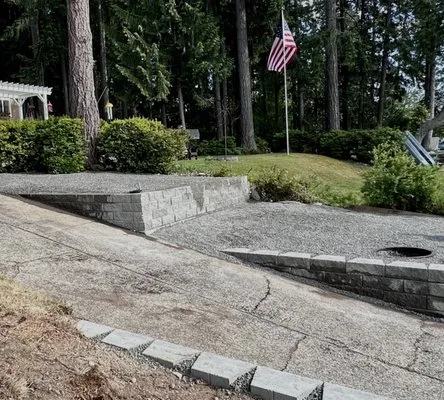
Ridgewood Landscapes is a family-owned landscaping, masonry, and tree service company serving Gig Harbor, WA. With years of experience, our licensed, bonded, and insured team is dedicated to deliverin...
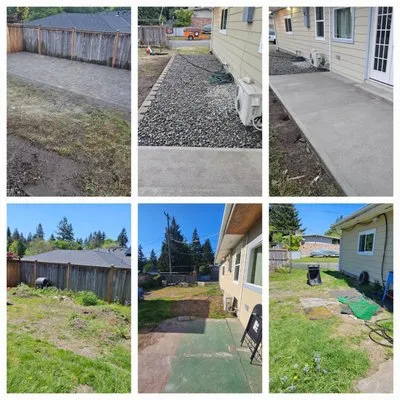
Sol Landscaping is a licensed and dedicated landscaping service based in Auburn, WA, providing comprehensive garden and yard solutions for local homeowners. We specialize in transforming outdoor space...
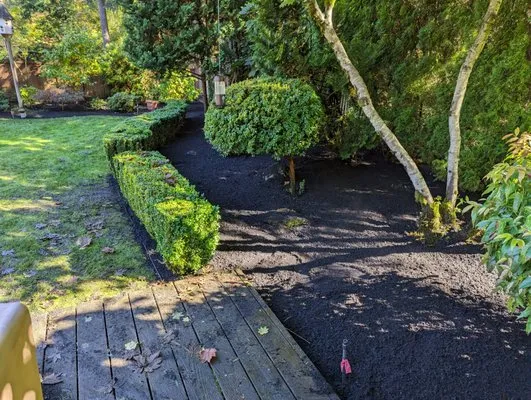
Lawn Esthetic LLC is a Tacoma-based landscape maintenance company founded on a deep connection to the outdoors and a commitment to bringing landscapes to life. We offer a program designed to deliver a...
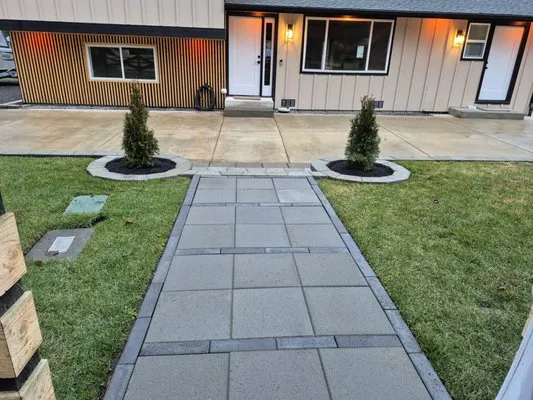
Chales Landscaping is a trusted local landscaping company serving Puyallup, WA, with comprehensive outdoor solutions. We specialize in addressing common local issues like poor lawn grading and irrigat...
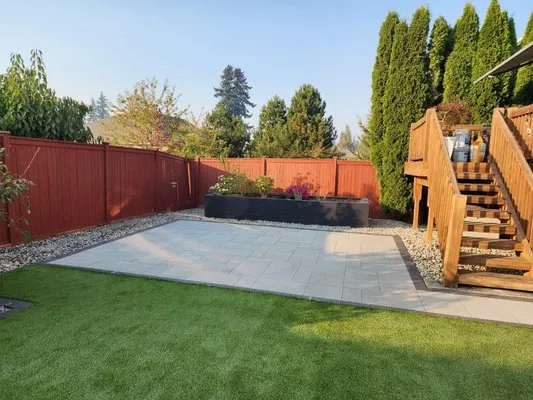
Triple D Landscaping is a family-owned and operated hardscaping and landscaping company serving Kent, Washington, and the greater Puget Sound region. With over a decade of experience, we are a license...
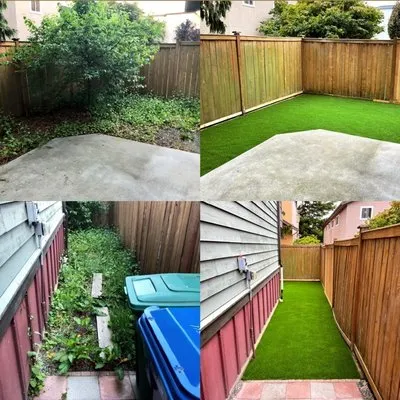
A & M Landscape is a trusted, locally-owned landscaping company serving Federal Way and the surrounding communities. Established in 2015, we specialize in creating and maintaining beautiful, functiona...
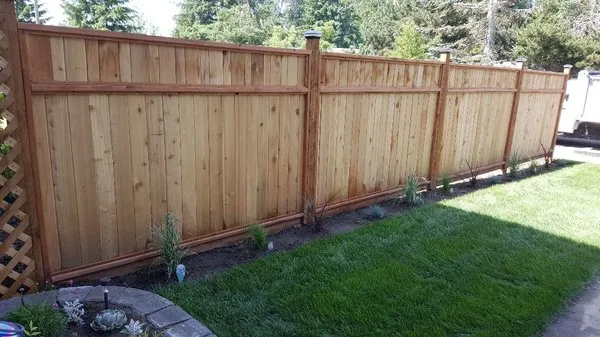
Minh's Landscaping
Minh's Landscaping is a family-owned and operated business serving Puyallup and all of Pierce County. Founded in 1999, we are a licensed, bonded, and insured full-service landscaping company dedicated...
Herick's Landscaping is a full-service landscaping contractor serving homeowners in Lakewood, WA. We specialize in addressing common local challenges, such as storm debris cleanup and reviving dead or...
NW Landscape Management
NW Landscape Management is a licensed, bonded, and insured landscape contractor with over 25 years of dedicated service to Federal Way and the broader South Puget Sound area. As your local experts, we...
Estimated Landscaping Service Costs in Sumner, WA
Question Answers
Is there a lower-maintenance alternative to my high-input lawn?
Transitioning to a landscape anchored by native plants like Salal, Red Flowering Currant, and Douglas Spirea significantly reduces water, fertilizer, and maintenance demands. These species are adapted to Zone 8b and our acidic soils, requiring no supplemental phosphorus and minimal irrigation once established. This shift also future-proofs your property against evolving noise ordinances that restrict gas-powered blowers and mowers, aligning with 2026 biodiversity and conservation benchmarks.
What should I do about invasive weeds like Himalayan Blackberry without using banned fertilizers?
For invasive species like Himalayan Blackberry, manual removal of the root crown is the first, most effective step. Follow-up with a targeted, approved herbicide application if necessary, carefully timing it outside of any local blackout dates. To restore soil health and prevent resurgence, amend the area with compost and plant aggressive native groundcovers like Western Sword Fern. This method complies with the state phosphorus ban (RCW 15.54.500) and builds a resilient plant community.
What permits and licenses are needed to regrade my backyard?
Regrading a 0.19-acre lot typically requires a permit from the Sumner Community Development Department to ensure compliance with drainage and erosion control plans. The contractor must be licensed and bonded through the Washington State Department of Labor & Industries. This licensing is non-negotiable for earthwork, as it validates competency in managing soil stability, protecting adjacent properties, and adhering to critical environmental regulations.
Why does my lawn look thin and waterlogged despite regular care?
Homes built around 1989 in Downtown Sumner have acidic silt loam soils that are now 37 years old. This extended timeline has led to significant compaction, reducing soil percolation and creating a dense layer that restricts root growth and exacerbates poor infiltration. Core aeration is critical to break up this pan, followed by amending with compost to increase organic matter and improve structure. Without these steps, the natural pH of 5.5-6.5 and high seasonal water table will continue to cause drainage issues and nutrient lock-up.
Are permeable pavers a better choice than wood for a new patio?
Permeable concrete pavers offer superior longevity and functionality compared to wood in our wet climate. They provide a stable, low-maintenance surface that manages runoff on-site, a key factor for lots with drainage concerns. For properties in Moderate Fire Wise zones, they also contribute to defensible space as a non-combustible material. Their durability and permeability often make them a more ecologically sound and long-term cost-effective investment than wooden decks.
How quickly can you respond to an urgent storm debris cleanup for HOA compliance?
For an emergency cleanup in Downtown Sumner, we can typically dispatch an electric maintenance fleet from our staging near Sumner Station. The route via SR 167 allows for a peak storm response time of 20-30 minutes. Our electric equipment operates within the 7:00 AM to 9:00 PM noise ordinance window without decibel violations. We prioritize safety and compliance, ensuring debris is cleared and the site is stabilized to meet local standards promptly.
My yard floods every spring. What's a long-term solution?
The high seasonal water table and poor infiltration in Sumner's acidic silt loam require engineered drainage. Installing a French drain system tied to a dry well is a primary solution. Complement this by replacing impervious surfaces with permeable concrete pavers, which the Sumner Community Development Department often favors for meeting stormwater runoff standards. This combined approach manages surface water and improves subsoil permeability, effectively mitigating spring flooding.
How do I keep my lawn green during Stage 1 water restrictions?
Smart Wi-Fi ET-based weather sensing controllers are the precise tool for Sumner's voluntary conservation stage. These systems automatically adjust run times by using local evapotranspiration data, applying water only when your Perennial Ryegrass and Kentucky Bluegrass blend genuinely needs it. This method can reduce water use by 20-30% compared to traditional timers while maintaining turf health. It ensures you stay within municipal guidelines by preventing overwatering, which is especially critical given our soil's poor infiltration rate.
