Top Landscaping Services in Sultan, WA, 98294 | Compare & Call

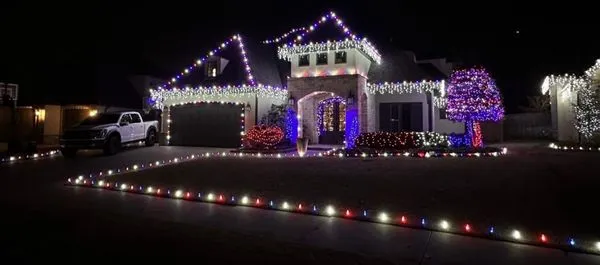
The Boyz Landscaping
The Boyz Landscaping is a Sultan-based landscaping company serving homeowners and businesses in the local community. With expertise in landscape design, construction, and maintenance, they offer compr...
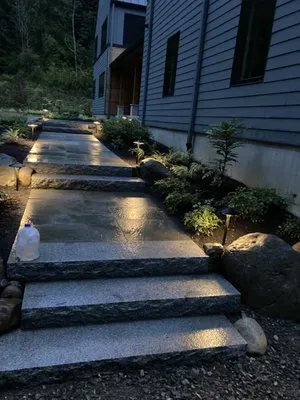
MB Landscaping is a family-owned and operated business serving Sultan, WA, and the surrounding communities. Founded by a husband-and-wife team, we bring a personal touch and dedicated craftsmanship to...
Hmz Landscaping is your trusted local lawn care expert in Sultan, WA, dedicated to helping homeowners maintain beautiful and healthy outdoor spaces. We specialize in comprehensive lawn care services d...
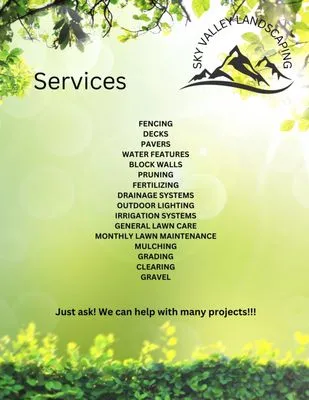
Sky Valley Landscaping is a family-owned and operated business serving Sultan, WA, dedicated to transforming local properties with hard work and personalized service. We specialize in comprehensive ma...
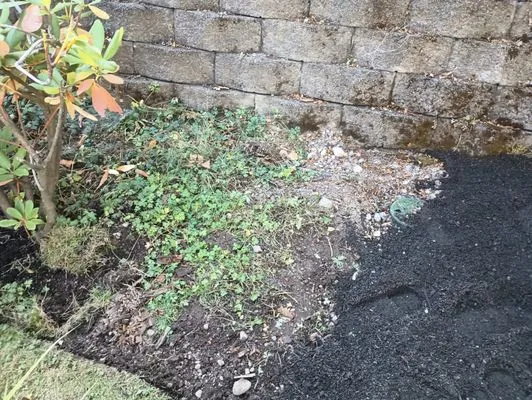
Yard Guys Kauai is your local Sultan landscaping expert, dedicated to solving the common outdoor challenges faced by homeowners in the area. We specialize in diagnosing and remedying issues like dying...
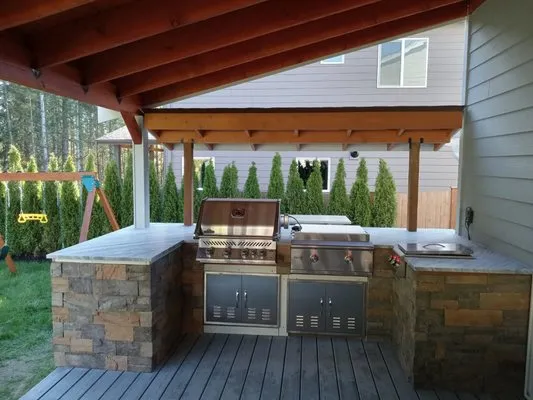
Creative Landscape has been a trusted partner for Sultan, WA homeowners and businesses since 2002. Built on a foundation of professionalism, commitment, and diligence, we focus on delivering cost-effe...
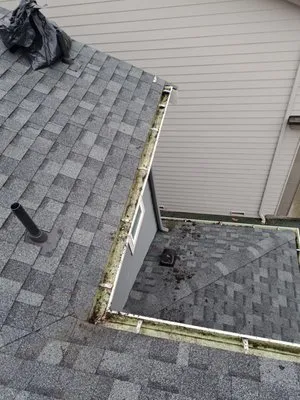
NOBO Landscaping is a locally owned and operated landscaping business serving Sultan, WA, specializing in both residential and commercial lawn maintenance and landscaping. We approach every yard with ...
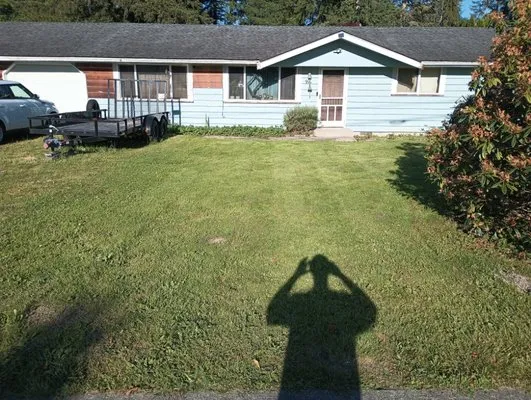
Father and Sons Lawn Care is a family-owned lawn service business serving Sultan, WA, dedicated to keeping local yards healthy and beautiful. We specialize in comprehensive lawn care, including mowing...
Father And Son Lawn Care is a family-operated, Sultan-based lawn service dedicated to keeping local yards healthy and resilient. We understand the unique challenges of the area, including persistent s...

Minnies Tree and Landscaping Service is a trusted local provider in Sultan, WA, specializing in tree services and landscaping. We help homeowners tackle common local issues like landscape edging damag...
Q&A
How do you maintain healthy turf in Sultan while conserving water during dry periods?
Wi-Fi ET-based weather sensing irrigation systems automatically adjust watering schedules based on real-time evapotranspiration data and soil moisture levels. This technology preserves perennial ryegrass/fine fescue blends while reducing water usage 25-40% compared to traditional timers. During Stage 0 water restriction conditions, these systems prioritize deep, infrequent watering cycles that encourage deeper root development and drought resistance without exceeding municipal water allocation limits.
How quickly can you respond to emergency storm damage cleanup for HOA compliance in Sultan?
Emergency response from our Skykomish River Park dispatch point via US-2 typically requires 20-30 minutes during peak storm conditions. We maintain electric-powered equipment fleets that comply with municipal quiet hours while providing immediate debris removal. For HOA compliance situations, we prioritize same-day assessment and can implement temporary stabilization measures within the initial service window to prevent further property damage.
How should I handle invasive species without violating Washington's fertilizer regulations?
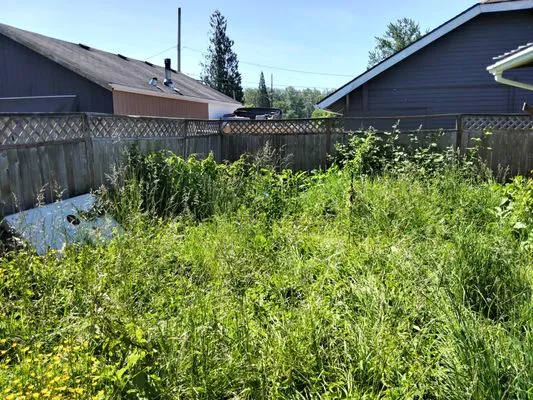
Targeted manual removal combined with organic herbicides applied during optimal growth periods provides effective invasive species control while complying with Washington State's phosphorus ban. Scotch broom and Himalayan blackberry require different treatment approaches—cut-stump applications for woody species versus smothering techniques for herbaceous invaders. Timing treatments outside of blackout dates and using mycorrhizal inoculants with native replacements helps restore ecological balance without chemical dependency.
What permits and licensing are required for grading work on my 0.22-acre Sultan property?
Grading projects exceeding 50 cubic yards on 0.22-acre lots require Sultan Planning and Building Department permits with engineered drainage plans. Washington State Department of Labor & Industries licensing mandates that contractors performing this work carry specific landscape construction endorsements and bonding. Unlicensed grading can trigger significant fines and may void property insurance coverage, particularly when altering natural drainage patterns or working within critical areas near the Sultan Basin watershed.
What solutions work best for Sultan's seasonal saturation and poorly drained glacial till?
High seasonal saturation in Sultan's acidic alluvial loam requires integrated drainage solutions beginning with French drains or dry wells to intercept subsurface water flow. Permeable basalt pavers installed with proper base materials can achieve 80-90% permeability rates, meeting Sultan Planning and Building Department runoff standards. Combining these with swales and rain gardens creates a complete system that manages both surface and subsurface water movement effectively.
Why choose permeable basalt pavers over wood for Sultan's moderate fire risk areas?
Permeable basalt pavers offer superior longevity with 50+ year lifespans compared to wood's 15-20 year replacement cycle in Sultan's wet climate. Their non-combustible nature supports WUI Interface compliance by creating defensible space around structures in moderate fire risk zones. The natural thermal mass of basalt also moderates temperature extremes while the permeability manages runoff without creating erosion channels during heavy rainfall events common in the Skykomish River watershed.
Why does my Sultan Basin yard have such compacted, acidic soil that struggles to support healthy grass?
Sultan Basin properties built around 1986 have 40-year-old soil profiles that have settled into acidic alluvial loam with pH 5.5-6.2. This acidic glacial till naturally compacts over decades, reducing oxygen availability to root zones. Core aeration every 2-3 years combined with organic amendments like composted bark can improve soil structure and microbial activity. The low pH also limits nutrient availability, requiring specific soil testing before any fertilization program.
What native plant alternatives reduce maintenance while supporting local ecology?
Replacing high-maintenance turf with Western red cedar, salal, Oregon grape, sword fern, and red-flowering currant creates resilient, low-water landscapes that support native pollinators. These species require minimal pruning and no gas-powered blowers, aligning with evolving noise ordinance restrictions. Native plant communities also develop natural pest resistance and improve soil health through mycorrhizal relationships, reducing long-term maintenance requirements by 60-70% compared to traditional lawns.
