Top Landscaping Services in Stanwood, WA, 98292 | Compare & Call

There are 200 landscaping companies server in Stanwood WA
Zorro Landscaping
Zorro Landscaping in Lynnwood, WA provides comprehensive outdoor solutions for residential and commercial properties throughout the Seattle Metropolitan area. As a fully licensed and insured company, ...
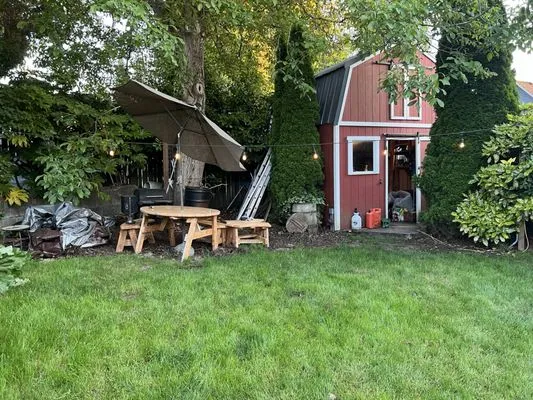
At Victor's Landscaping in Everett, WA, we're driven by a genuine passion for our work. Every day, we tackle a wide variety of landscape projects, from foundational earthmoving and regrading to the de...
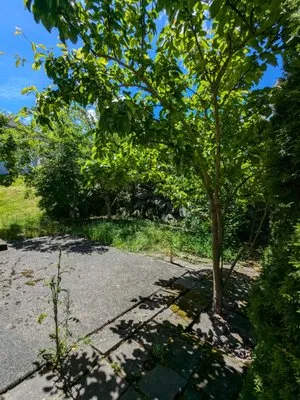
Salvador's Landscaping is a family-operated business serving Everett, WA, dedicated to transforming outdoor spaces with care and reliability. We specialize in a comprehensive range of services includi...
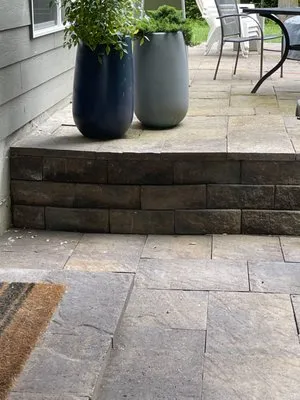
New Life Rockeries of Seattle specializes in creating durable and beautiful landscapes for the Pacific Northwest. With over 35 years of experience serving King and Snohomish counties, owner Neil Eneix...
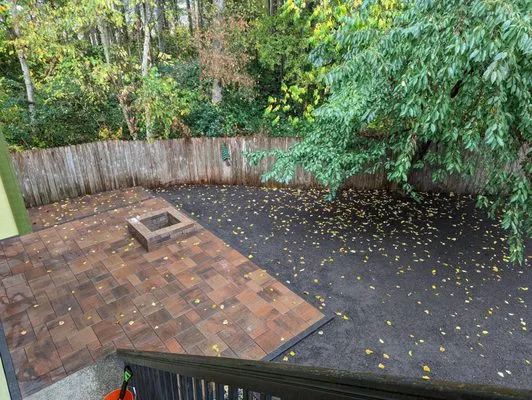
L&S Landscape is a licensed landscaping and hardscaping company serving Marysville, WA, and surrounding Snohomish and King Counties. We specialize in comprehensive outdoor solutions, from initial desi...
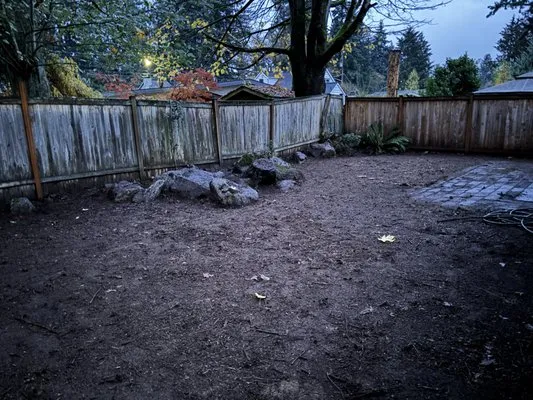
DH Hauling and Demo is a Seattle-based, locally-owned company dedicated to transforming properties through comprehensive demolition, hauling, and landscaping services. Founded in the heart of the city...
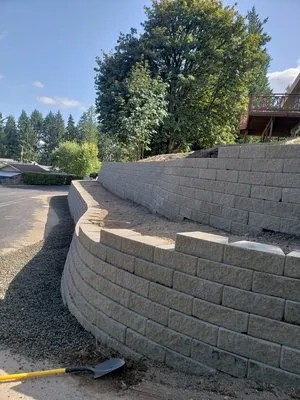
Everest Landscaping Services is a fully licensed and insured landscaping company serving Seattle, WA, with over a decade of hands-on experience transforming outdoor spaces. We specialize in a comprehe...
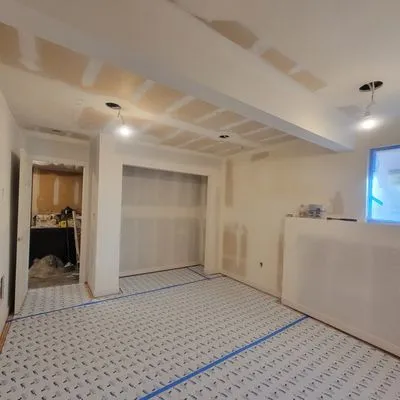
Hearth & Home Remodeling
Hearth & Home Remodeling is a family-owned contractor serving Seattle with comprehensive home construction, design, and remodeling services. As a unified team of general contractors, landscapers, and ...
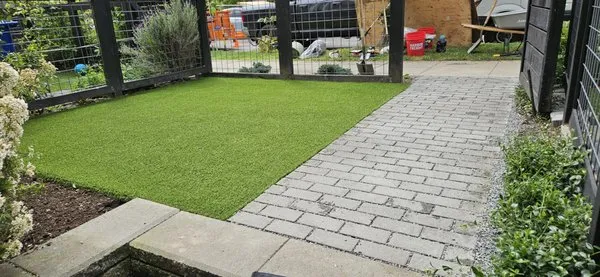
PNW Turf N More is your trusted Lake Stevens landscaping partner specializing in artificial turf, comprehensive landscaping, and masonry/concrete services. We help homeowners tackle common local chall...
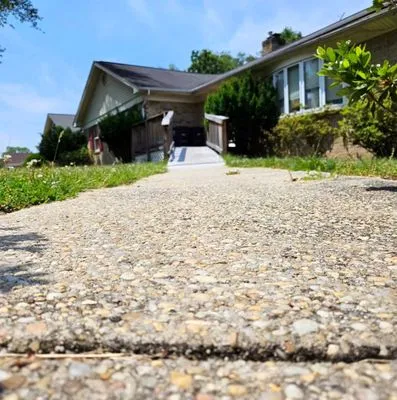
Newport Lawn Care is a Seattle-based lawn service provider founded by Luke, whose background in landscape architecture and horticulture forms the core of the business. With a hands-on, professional ap...
Estimated Landscaping Service Costs in Stanwood, WA
Q&A
Can I reduce maintenance while preparing for future noise regulations?
Replacing high-maintenance turf with native plantings like salal, red flowering currant, and sword fern creates resilient landscapes that require minimal intervention. These species thrive in Stanwood's Zone 8b climate with acidic soil conditions, reducing watering needs by 60-70%. Transitioning to electric maintenance equipment now positions your property ahead of potential gas-blower restrictions while supporting 2026 biodiversity standards. Native plant communities also provide habitat for local pollinators and wildlife.
How do I maintain healthy turf without violating water restrictions?
Wi-Fi ET-based weather sensing irrigation systems automatically adjust watering schedules based on real-time evapotranspiration data. This technology preserves perennial ryegrass and fine fescue turf by delivering precise moisture levels while staying within Stage 0 municipal water limits. The system accounts for Stanwood's microclimate variations, reducing water usage by 25-40% compared to traditional timers. Regular system audits ensure proper coverage and prevent runoff during peak growing seasons.
Are permeable pavers better than wood for fire-resistant landscaping?
Permeable concrete pavers provide superior longevity and fire resistance compared to wood decking in Moderate WUI Zone 2 areas. Their non-combustible nature creates defensible space while maintaining 30-50 year lifespans with minimal maintenance. The interlocking design allows for proper drainage and reduces heat island effects in urban settings. For high-risk zones, pavers combined with strategic native plant buffers exceed Firewise recommendations while supporting soil health through improved permeability.
Why does my 33-year-old Stanwood yard struggle with compaction and poor drainage?
Downtown Stanwood lots built around 1993 have acidic silt loam soil that has matured for over three decades. This soil type naturally compacts over time, reducing permeability and creating clay pockets that impede water infiltration. Core aeration with organic amendments like composted bark or leaf mold improves soil structure by increasing pore space. Regular soil testing every 2-3 years monitors pH levels, which typically range from 5.5 to 6.2 in this neighborhood.
What solutions address seasonal flooding in my yard's clay pockets?
High seasonal water tables and poor infiltration in clay pockets require engineered drainage solutions. Installing French drains with clean gravel and perforated pipe redirects subsurface water away from structures. Permeable concrete pavers meet Stanwood Planning and Community Development Department runoff standards by allowing 80-90% of rainfall to infiltrate naturally. Soil amendments like gypsum can improve clay permeability when combined with proper grading on 0.22-acre lots.
How quickly can you respond to an emergency tree cleanup after a windstorm?
Our emergency dispatch from the Stanwood-Camano Community Resource Center uses I-5 for optimal routing, achieving a 20-30 minute peak response time to Downtown Stanwood. This efficiency meets HOA compliance deadlines for debris removal following severe weather events. We maintain electric chainsaws and chippers that operate within standard decibel limits while providing rapid service. Pre-storm assessments of vulnerable trees in your area help prioritize response routes.
How do I control invasive species without using prohibited fertilizers?
Scotch broom and Himalayan blackberry pose significant invasion risks in Stanwood's disturbed soils. Manual removal during dormancy followed by solarization with clear plastic sheeting effectively suppresses regrowth without chemicals. The statewide phosphorus ban on turf requires alternative soil amendments like mycorrhizal inoculants that enhance native plant establishment. Timing treatments outside local fertilizer blackout dates ensures compliance while promoting long-term ecosystem health through competitive planting strategies.
What permits and licenses are needed for grading my 0.22-acre property?
Grading work on 0.22-acre lots in Stanwood requires a permit from the Stanwood Planning and Community Development Department, particularly when modifying drainage patterns or soil volumes. Contractors must hold appropriate licensing through the Washington State Department of Labor & Industries, including specialty endorsements for excavation and erosion control. These regulations ensure proper stormwater management and prevent downstream impacts in areas with high water tables. Professional documentation of soil compaction testing and final grades is typically required for permit closure.
