Top Landscaping Services in South Wenatchee, WA, 98801 | Compare & Call
There are 114 landscaping companies server in South Wenatchee WA
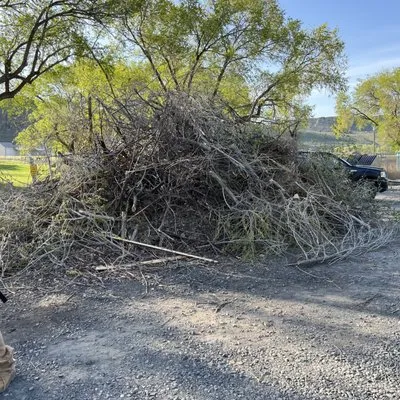
Basin Junk Removal & Lawn Care is a trusted local service provider in Kennewick, WA, specializing in comprehensive junk removal and professional lawn maintenance. We help Tri-Cities homeowners reclaim...
Jesse's Landscaping is a trusted local landscaping company serving Wenatchee, WA, and the surrounding areas. We specialize in landscape maintenance and lawn care to help homeowners tackle common local...
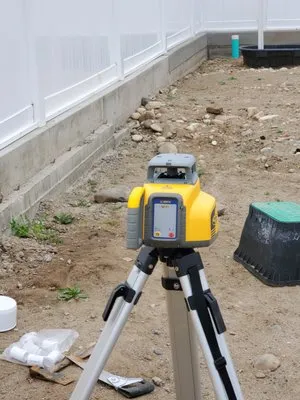
Moongate Landscaping & Construction is a Wenatchee-based company dedicated to transforming and maintaining your outdoor spaces. We specialize in comprehensive landscape construction, irrigation system...
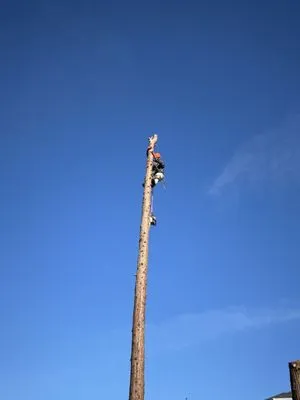
Boulder Landscaping is a trusted, full-service landscaping company serving Wenatchee, WA, and the surrounding North Central Washington region. We specialize in creating and maintaining beautiful, func...
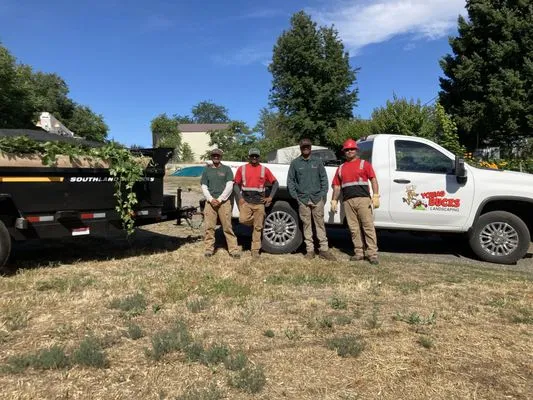
Young Bucks Landscaping & Tree Service is a licensed, bonded, and insured company serving Wenatchee, WA, and surrounding areas. We specialize in comprehensive tree services, landscaping, and snow remo...
Landscaping By Rosales is a trusted, full-service landscaping company serving Wenatchee, WA, and the surrounding areas. We specialize in creating and maintaining beautiful, healthy outdoor spaces that...
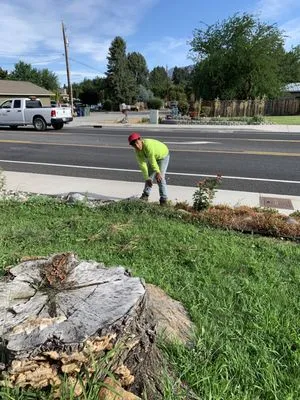
GC Yard Care is a local landscaping company providing reliable care for residents and businesses across Wenatchee, WA, and the surrounding communities, including West Wenatchee, East Wenatchee, Sunnys...
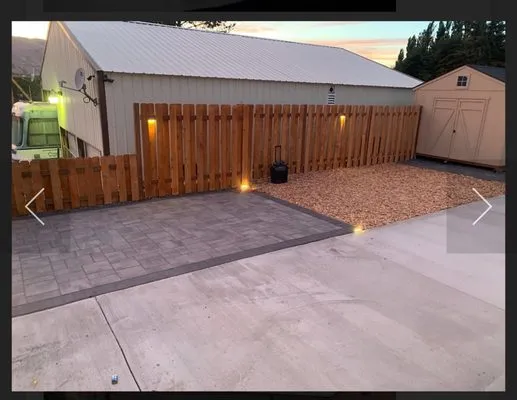
777 Paver and Landscaping is a trusted local contractor serving East Wenatchee, WA, specializing in comprehensive hardscaping and landscape construction. We build durable driveways, patios, walkways, ...
Abe Landscaping is a Wenatchee-based company dedicated to solving the unique lawn challenges of the Wenatchee Valley. Our focus is on correcting poor lawn grading and revitalizing bare patches, two co...
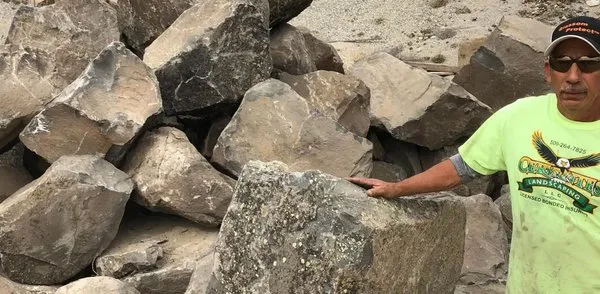
C&E Landscaping has been enhancing outdoor spaces across Wenatchee and the greater Chelan and King County areas since 2014. As a local, family-owned business, we specialize in creating durable and bea...
Estimated Landscaping Service Costs in South Wenatchee, WA
Question Answers
What permits and qualifications should I verify before hiring someone to regrade my yard?
Any significant grading on a 0.15-acre lot typically requires a permit from the City of Wenatchee Planning Department to ensure proper drainage and erosion control. Crucially, the contractor must hold appropriate licensing from the Washington State Department of Labor & Industries. This state-level certification is your assurance of bonded, insured work that complies with safety and environmental standards, protecting your property investment.
Our soil seems so compacted and lifeless. Is this normal for a South Wenatchee home of this era?
Yes, this is a predictable condition. Homes built around 1969, like many here, have soil with a 57-year history of compaction from construction and routine maintenance. The prevalent alkaline silt loam naturally has poor soil structure and low organic matter, leading to slow percolation. Core aeration and incorporating composted organic matter are essential to rebuild porosity and support microbial life, directly addressing the inherent density and high pH.
If a storm downs a tree branch, how quickly can a crew get here for an emergency cleanup?
For urgent safety issues, our initial response from a staging area near Lincoln Park is 20-30 minutes during peak hours. The route via US-97/US-2 allows efficient access to South Wenatchee neighborhoods. Our fully insured crews carry certified arborist equipment and electric chippers, which comply with the local noise ordinance for after-hours work if necessary, ensuring rapid and compliant resolution.
What's a long-term alternative to constantly mowing and watering my grass?
Transitioning to a climate-adaptive landscape with natives like Antelope Bitterbrush and Douglas Aster is the solution. These plants require no supplemental water once established and no weekly mowing. This shift significantly reduces maintenance, allowing for a quieter, electric equipment-based service fleet that aligns with evolving noise ordinances and provides critical habitat, moving beyond the high-input turf model.
I've spotted what looks like puncturevine. How should I handle invasive weeds here?
Puncturevine is a common alert for our area. Manual removal before seed set is most effective. For persistent perennial weeds, targeted spot treatment with a phosphorus-free herbicide is permissible, but you must adhere to the local ordinance prohibiting application near water bodies or during seasonal blackout dates to protect the watershed. Promoting dense, healthy native plantings is the best long-term defense against invasion.
How can I keep my lawn green during summer without violating water conservation rules?
Effective irrigation hinges on precision. A smart Wi-Fi ET (evapotranspiration) controller adjusts watering schedules daily based on local weather data, applying water only when the Kentucky Bluegrass/Tall Fescue blend needs it. This technology is key for operating within Stage 1 voluntary conservation, as it can reduce water use by 20-30% compared to traditional timers by eliminating runoff and overwatering.
Is a basalt paver patio better than a wooden deck for our dry climate and fire risk?
In this context, basalt and dry-stack stone are superior materials. They are non-combustible, providing critical defensible space to meet the Moderate (WUI Zone 2) Fire Wise rating. Unlike wood, they do not warp, splinter, or require chemical treatments in our arid climate, offering permanent durability with minimal upkeep. Their thermal mass also moderates temperature swings in adjacent planting beds.
Water runs straight off my sloped yard. What's a durable solution that also looks good?
Your alkaline silt loam has low permeability, exacerbating runoff on slopes. A tiered solution using dry-stack stone retaining walls and permeable basalt paver patios creates level planting terraces. This strategy slows water velocity, encourages infiltration, and meets the City of Wenatchee Planning Department's standards for managing on-site runoff. Integrating deep-rooted natives in the terraces further stabilizes the soil.
