Top Landscaping Services in Seattle, WA, 98101 | Compare & Call

Your Complete Guide to Landscaping Service in Seattle, WA
Welcome to Seattle. Whether you're in Ballard, Capitol Hill, or West Seattle, your yard faces unique challenges. Our rainy winters, dry summers, and the occasional windstorm from the Puget Sound can test any landscape. This guide is for every Seattle homeowner and business owner. It covers everything from regular lawn care to urgent storm cleanup. Think of it as your local handbook for landscaping service in Seattle, WA.
What Does Full-Service Landscaping Include in Seattle?
Landscaping here is more than just mowing. It's about creating and caring for an outdoor space that can handle our climate. A complete service includes routine care and big projects.
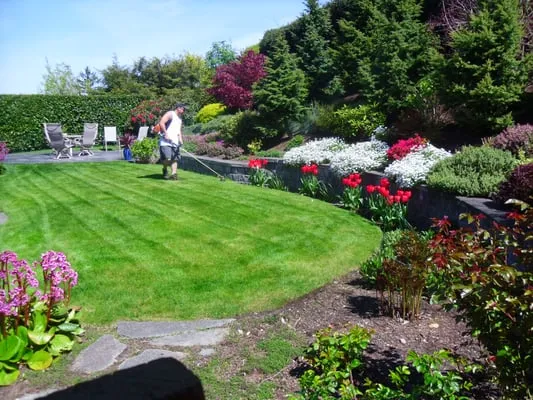
- Lawn Care & Maintenance: Regular mowing, fertilizing, and aeration to keep grass healthy through wet and dry spells.
- Landscape Design & Planting: Choosing the right plants, like drought-tolerant natives for south-facing slopes in Queen Anne, or shade-loving ferns for gardens under our big evergreens.
- Irrigation Installation & Repair: Smart watering systems are key during our dry July and August. We install, fix leaks, and perform winterization.
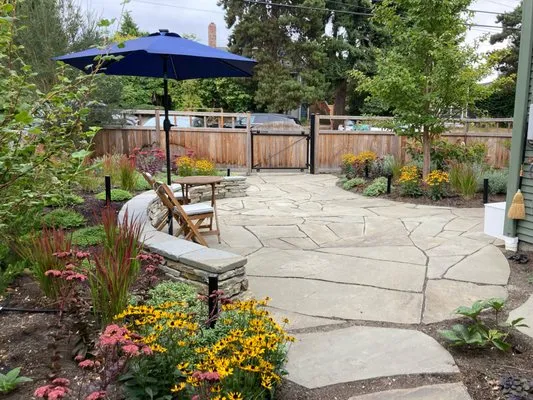
- Hardscaping: Building patios, walkways, and retaining walls with materials that resist moss and moisture.
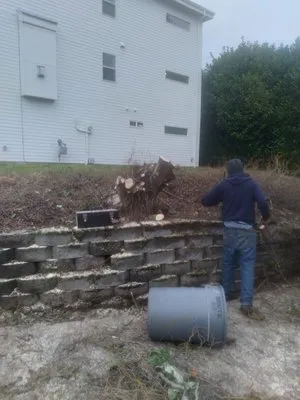
- Tree Care & Removal: Pruning, health checks, and safe removal of hazardous trees, especially after winter storms.
- Drainage & Grading: Fixing soggy spots common in neighborhoods with heavy clay soil, like many parts of Ravenna.
- Seasonal Cleanups: Clearing fall leaves to prevent mold, and preparing beds for spring.
Routine maintenance keeps things beautiful and prevents problems. Emergency landscaping deals with sudden hazards that can't wait.
What Counts as a Landscaping Emergency in Seattle?
Not every issue needs a panic call. But some situations are true emergencies. If you see any of these, it's time for immediate action:
- A Fallen or Hanging Tree that is touching your house, car, deck, or fence.
- A Large Tree Leaning Dangerously after a storm, especially if the roots are lifting from the soil.
- Major Erosion or a Sinkhole that is undermining your foundation, driveway, or a critical slope.
- Severe Flooding or Standing Water that is threatening to enter your basement, garage, or is pooling near your septic system.
- Exposed or Downed Utility Lines in your yard. If you see this, stay back and call Seattle City Light (206-684-3000) or Puget Sound Energy immediately. Then call a pro.
- Large Limbs on Power Lines. Do not approach. Call the utility first, then a tree service.
Safety is always the first step. Protect people and pets, then call for help.
How Seattle's Climate and Soil Shape Your Yard
Our local environment directly affects your landscaping needs. Seattle has a marine west coast climate. That means mild, wet winters and warm, dry summers. The average annual rainfall is about 38 inches, but most falls between October and March. Summers can see weeks without rain.
Our soils are often glacial till—a mix of clay, sand, and rock. In many areas, like around Green Lake, heavy clay is common. It holds water, leading to drainage issues. Sloped properties in places like Magnolia or Beacon Hill are prone to erosion during heavy rains.
Housing types vary. Older neighborhoods like Wallingford have mature, beautiful trees that need careful care. Newer developments might have smaller yards with different needs. Condos and townhomes often have HOA rules about landscaping changes. Understanding your specific lot is the first step to good care.
Common Seattle Landscaping Problems and Seasonal Patterns
Every season brings its own tasks and troubles.
Spring: The famous "Juneuary" gloom can encourage moss and fungal issues in lawns. It's also the best time for planting most perennials and shrubs before the summer dry spell. During spring storms, we often get calls about root-exposed trees in North Seattle—when that happens, the tree's stability can be at risk.
Summer: Dry periods stress lawns and plants. Irrigation systems get a heavy workout, and leaks are common. A broken sprinkler head can waste hundreds of gallons.
Fall: Time to clear leaves to prevent slippery surfaces and lawn disease. It's also the ideal window for laying new sod, as cooler temperatures and returning rains help it establish.
Winter: Wind and ice storms are the big concerns. A heavy, wet snow or an ice event can cause limbs—or whole trees—to fail. Homes near Volunteer Park with older big-leaf maples sometimes see splits during ice events—if you notice a large crack in a major limb, have it assessed quickly.
Another frequent issue: drainage. Homes near the Duwamish River or in South Park with older grading frequently see standing water after heavy rains—a French drain or regrade can help direct water away from the foundation.
Emergency vs. Routine: A Simple Triage Guide
How do you know what can wait? Use this guide:
- Call Immediately (Life/Property Hazard): Tree on structure, exposed wires, active severe erosion near foundation.
- Schedule Same-Day/Next-Day (Major Disruption): Large limb down in yard (but not on anything), flooded backyard (no immediate structural threat), clogged drain causing a large puddle.
- Book Routine Service (Aesthetic/Planned): Lawn mowing, seasonal flower planting, pruning healthy shrubs, planning a new patio.
For urgent issues in the city limits, many local crews can often be on-site within 60–180 minutes, though traffic on I-5 or the 520 bridge can affect this. For properties in more remote areas like Vashon Island or the Sammamish Plateau, travel time will be longer.
Understanding Landscaping Costs in Seattle
Costs vary based on the job's size, complexity, and urgency. Transparency is key. Here’s a breakdown based on local averages and project scopes. Note: The following cost ranges are estimates compiled from local industry sources and should be used as a guide. Always get a written estimate.
- Emergency Call-Out Fee: For after-hours or immediate response, expect a premium. This often ranges from $150 to $300+ on top of standard labor rates. It covers overtime and rapid mobilization.
- Labor: Hourly rates for landscaping labor in the Seattle area typically range from $50 to $90 per hour per person, depending on skill and specialization.
- Materials: Sod, plants, mulch, stone, and pavers vary in price. For example, sod typically costs $0.50–$0.70 per square foot for the material alone.
- Equipment & Disposal: Fees for chippers, stump grinders, or crane rental for large trees. Disposal and haul-away fees are usually $50–$150 per truckload.
- Permits: The City of Seattle often requires a permit for removing significant trees (over 6 inches in diameter at breast height). Permit fees can range from $50 to several hundred dollars.
Example Project Scenarios:
- Emergency Fallen Small Tree Removal: (e.g., a 30-foot alder in the yard) Crew with chipper: $400–$1,200.
- Large Tree Removal with Crane/Permit: (e.g., a large cedar near a house) Requires planning, permit, and crane: $2,500–$8,000+.
- Drainage Correction (French Drain): For a typical side yard: $1,500–$4,500 depending on length and complexity.
- New Sod Installation: For a 1,000 sq. ft. lawn (materials + labor + prep): $1,800–$3,500.
- Irrigation Repair: System diagnosis: $75–$150. Repairing a broken line or valve: $200–$600.
Red Flags: Signs You Need Immediate Landscaping Service
Don't ignore these warnings. If you see any of these, it's time to pick up the phone:
- Large trees leaning more than 15 degrees or with a visible split in the trunk. >li>Standing water that lasts more than a day near your home's foundation or septic drain field.
- Exposed or downed power/utility lines on your property. (Call utility first!)
- A retaining wall that is bulging, cracking significantly, or collapsing.
- A large limb resting on your roof, deck, or across your driveway.
- Severe root heave lifting and cracking your sidewalks or driveway asphalt.
Safety First: What to Do Until Help Arrives
While you wait for professionals, follow these steps:
- Keep everyone, including pets, away from the hazard zone. Mark it with tape or cones if you can.
- If you see downed power lines, stay back at least 30 feet and call Seattle City Light (206-684-3000) or 911 immediately. Do not touch anything.
- Take clear photos of the damage from a safe distance for your insurance company.
- Move vehicles away from fallen trees or areas that are flooding.
- If a broken irrigation line is causing flooding, locate and turn off the water main for the system.
- Secure any loose patio furniture or yard items that could blow around in continuing wind.
CRUCIAL WARNING: Do not attempt to remove large limbs or trees yourself. It is extremely dangerous. Always call 811 at least two days before you dig for any project to have utility lines marked.
Local Permits, Codes, and Working with Utilities
Seattle has specific rules to protect trees and manage construction. Here's what homeowners often need to know:
- Tree Removal Permits: The City of Seattle requires a permit to remove any tree that is 6 inches in diameter or more (measured at 4.5 feet off the ground) in most single-family zones. Some trees, like those in designated protected zones or critical areas, are protected regardless of size. Always check with the Seattle Department of Construction and Inspections (SDCI) first.
- Shoreline and Grading Permits: If you live near Lake Washington, the Ship Canal, or other waterways, work near the shore or significant grading changes may require a separate permit from the Seattle Department of Planning and Development.
- HOA Rules: Many communities in Seattle, especially condos and newer subdivisions, have strict landscaping guidelines. Get approval before starting visible work.
- Utility Coordination: As mentioned, always call 811 before digging. For work near street trees or in planting strips, you may need approval from the Seattle Department of Transportation (SDOT).
The best approach is to ask your landscaping contractor about permits. A reputable company will know the rules and often handle the application for you.
Choosing the Right Landscaping Contractor in Seattle
You want a team that knows Seattle. Here’s what to look for:
- Licensed, Bonded, and Insured: This is non-negotiable. Ask for proof of general liability and workers' compensation insurance.
- Local Experience & References: Choose a company with a history of work in your area. Ask for addresses of similar projects you can drive by or photos of past work.
- Clear Communication: They should provide a detailed, written estimate that breaks down labor, materials, and other fees. Ask about their cleanup and disposal process.
- Specialized Certifications: For tree work, look for an ISA Certified Arborist on staff. For irrigation, a licensed irrigation contractor is a plus.
Good questions to ask: "What's your estimated response time for an emergency?" "Will you handle the permit process?" "What is included in your cleanup?"
What to Expect for Response Times in Seattle
When you call, it helps to know the general timelines:
- Emergency Cleanup: For urgent hazards within Seattle city limits, many crews aim for a 60- to 180-minute response. During major regional windstorms, there may be a backlog, and crews will prioritize life-safety hazards first.
- Routine Service & Installations: For non-urgent projects like a patio installation or landscape design, scheduling can range from a few days to several weeks out, depending on the season (spring and fall are busiest).
- Rural or Remote Properties: For homes on Bainbridge Island, in the San Juans, or in the Cascade foothills, travel time adds to the response window, and a trip fee may apply.
Your Local Partner for Every Landscape Need
Your yard is part of your home and our community. Whether you're dealing with the aftermath of a storm or dreaming up a new garden oasis, having a trusted local partner makes all the difference. This guide has walked you through the essentials of landscaping service in Seattle, WA—from emergency triage to routine care.
For immediate hazards, don't wait. For your ongoing projects, thoughtful planning creates lasting beauty.
Call Seattle Landscaping at (888) 524-1778 now for fast local landscaping service and emergency cleanup in Seattle, WA.
Seattle Landscaping — Your trusted partner for landscaping service in Seattle, WA. Emergency cleanup and same-day response for urgent hazards, plus full-service design, installation, and maintenance. Call (888) 524-1778 now for immediate dispatch or to schedule a friendly consultation.