Top Landscaping Services in Richland, WA, 99320 | Compare & Call

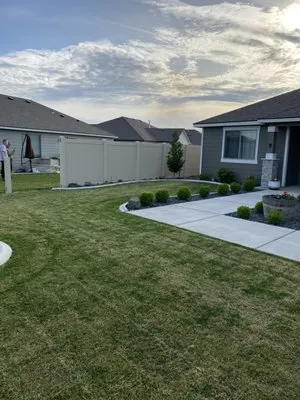
J&M Landscape and Earthworks
J&M Landscape and Earthworks is a Richland-based excavation, landscaping, and demolition contractor serving the Tri-Cities area. We specialize in solving common local yard problems, such as poor drain...
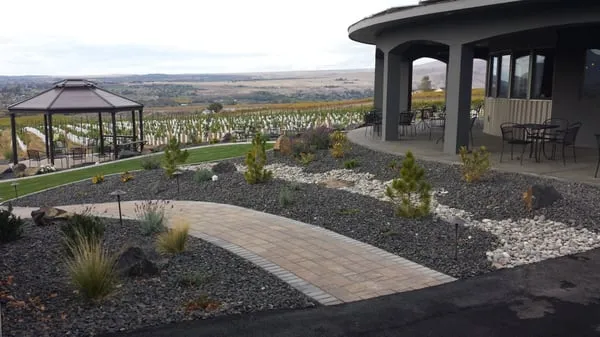
Musser Landscaping
Musser Landscaping brings a blend of formal education and hands-on experience to the Tri-Cities area. Founder Darin Musser started in the field during high school, advancing to a crew foreman before e...

Gamache Landscaping
Gamache Landscaping has been enhancing outdoor living in Richland and the Tri-Cities since 1991. Founded by a Washington State University Landscape Architecture graduate, our team combines formal educ...
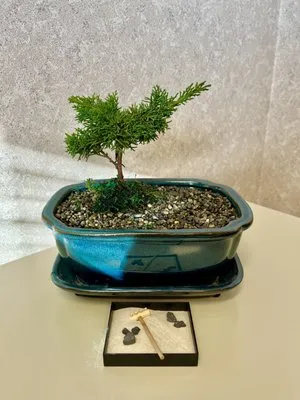
Wood's Nursery and Garden Store
Wood's Nursery and Garden Store has been a cornerstone of the Richland community since 1965, founded by Zane and Betty Wood. What began as a small hobby shop has grown, under the stewardship of the Wo...
Custom Curb Appeal is a Richland-based landscaping and masonry contractor dedicated to solving common local yard problems. Many homes in the Tri-Cities area struggle with sprinkler coverage gaps and p...

Evergreen Lawn & Tree Care has been a trusted family-operated provider in Richland, WA since 1952, serving both Richland and Kennewick with comprehensive lawn and tree services. We specialize in irrig...

Beaver Bark Gift & Garden Center
Since 1992, Beaver Bark Gift & Garden Center has been a Richland staple, owned and operated by the Bobbett family. What began as a small bark and rock operation on Columbia Park Trail has flourished a...
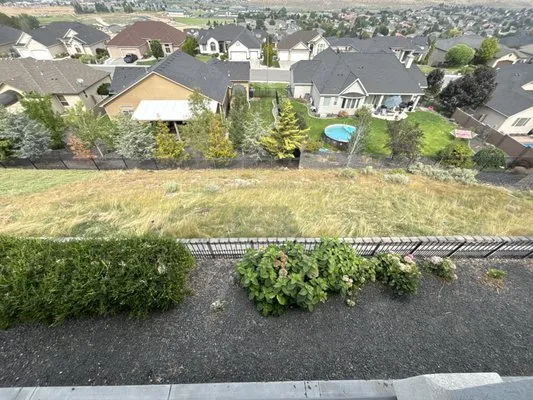
Founded in Yakima in 1985 by Lance Forsee, Colonial Lawn & Garden built its reputation on a simple promise: to be a different kind of landscape service company. This means combining high-quality produ...
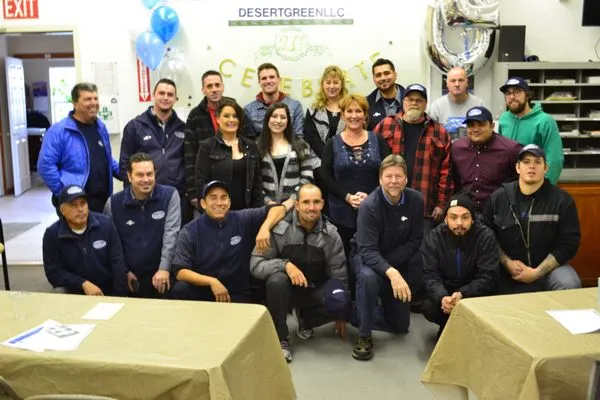
Desert Green Lawn & Tree Care
Desert Green Lawn & Tree Care has been a trusted local name in Richland and the Tri-Cities since 1997. Founded by Scott, the business is built on a simple, reliable promise: to provide quality work, h...
Para Brothers Fencing & Landscaping
Para Brothers Fencing & Landscaping is a family-owned and operated business dedicated to serving Richland and the greater Tri-Cities area. We specialize in high-quality fence and gate installation, re...
Frequently Asked Questions
My yard pools water after irrigation. What's a long-term solution?
Pooling is a direct result of the low permeability in our alkaline silt loam soils. Instead of regrading, consider replacing problem areas with permeable hardscaping using local basalt decorative rock. This material allows water to infiltrate slowly, reducing surface runoff and mitigating alkaline salt accumulation at the surface. For any channel or French drain installation, the Richland Development Services Department requires review to ensure new runoff patterns meet current stormwater standards.
How can I keep my Tall Fescue green during Richland's summer without wasting water?
Under Stage 1 voluntary conservation, precision is key. A Wi-Fi ET-based irrigation system uses local weather data to apply water only when your turf experiences evapotranspiration loss. This technology automatically adjusts for daily heat and wind, preventing overwatering that exacerbates our soil's low permeability. Properly calibrated, it delivers deep, infrequent watering to encourage drought-tolerant roots in your Tall Fescue, keeping it healthy within municipal guidelines.
What are the most aggressive weeds here, and how do I treat them safely?
In Richland, watch for invasive species like puncturevine, cheatgrass, and field bindweed. These thrive in disturbed, alkaline soils. Treatment requires a targeted, integrated approach. Manual removal for small outbreaks is effective. For larger infestations, we use herbicide applications timed precisely to the plant's growth cycle, strictly adhering to the state phosphorus ban and avoiding any blackout dates for non-agricultural use. Always follow with soil amendment to help desired plants outcompete weeds.
I want a lower-maintenance, quieter yard. What should I plant?
Transitioning to a climate-adaptive landscape with natives like Bluebunch Wheatgrass, Lewis Flax, and Desert Sagebrush significantly reduces water, mowing, and blowing needs. These plants are evolved for our zone 7b conditions and require no supplemental fertilizer, aligning with the state phosphorus ban. This approach future-proofs your property against potential gas-blower restrictions under noise ordinances and supports 2026 biodiversity targets for the region.
How quickly can you respond for an urgent storm cleanup to avoid HOA fines?
Our emergency response protocol for Uptown prioritizes a dispatch from our central staging area near Howard Amon Park. Using I-182, we can typically navigate to your address within the 20-30 minute window, even during peak congestion. We coordinate directly with HOA management for compliance-driven cleanups, ensuring debris is cleared and documented to meet your community's aesthetic standards following a wind event.
Is basalt rock or wood better for a new patio that's also fire-safe?
For longevity and fire-wise compliance, basalt decorative rock is superior. As a non-combustible mineral, it creates a permanent defensible space required in our Moderate (WUI Zone 2) fire risk area. Wood decks require ongoing chemical treatments and degrade over time. A properly installed basalt patio or pathway requires minimal maintenance, does not contribute to fuel loads, and integrates seamlessly with the native xeriscape palette, offering a permanent solution.
What permits and qualifications should I verify before hiring for a regrading project?
Any significant grading or earthwork on a 0.22-acre lot requires a licensed contractor. Verify active registration with the Washington State Department of Labor & Industries. The contractor must also pull a permit from the Richland Development Services Department to ensure the work complies with drainage and erosion control ordinances. This is crucial, as improper grading can create runoff issues for neighboring properties and violate local codes, leading to costly corrections.
Why does my soil feel so hard and nothing seems to grow well in it?
Your Uptown property, built around 1982, has soil that is approximately 44 years old. This Aridisol silt loam, typical of the area, has naturally low permeability and a high pH of 7.5-8.2. Over decades, foot traffic and standard irrigation have compacted the soil and encouraged alkaline salt accumulation. To restore health, we recommend core aeration followed by amending with composted organic matter to improve structure and microbial activity, directly addressing this common neighborhood legacy issue.
