Top Landscaping Services in Quincy, WA, 98848 | Compare & Call

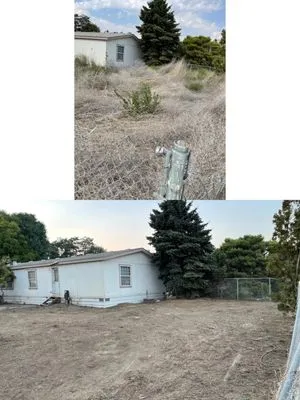
Juniors Mowing is a trusted local lawn care and snow removal service proudly serving Quincy, WA. We understand the unique challenges Quincy homeowners face, from managing sprinkler leaks to preventing...

Rodriguez Multi-Services is a locally owned and operated business in Quincy, WA, dedicated to providing reliable and affordable property maintenance solutions. We handle a wide range of jobs for both ...
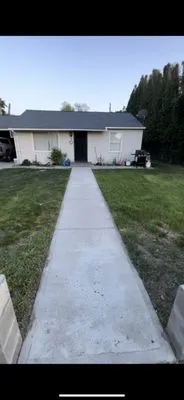
Pnw Greenland Care is a trusted, full-service landscaping company based right here in Quincy, WA. We specialize in addressing the common local challenges homeowners face, from poor lawn grading that l...
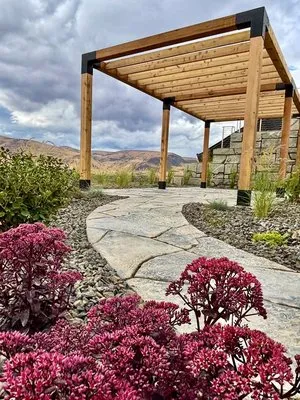
Rising Sun Industries is a Quincy-born and operated landscape management company built on family values and local know-how. Founded by brothers and now led by Cade and Ana Yamamoto, our team of Vetera...
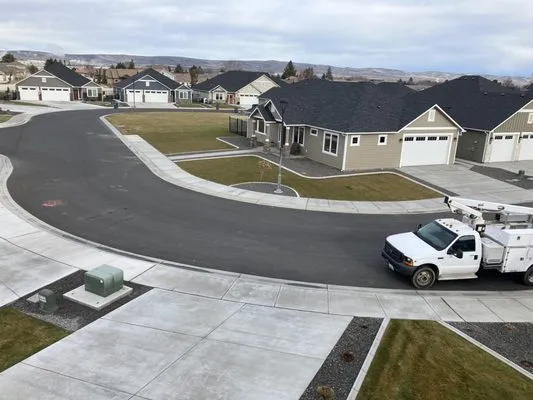
Ramos Landscaping is a trusted local gardening and lawn care service in Quincy, WA, dedicated to maintaining and enhancing outdoor spaces for homeowners and businesses. We specialize in addressing com...
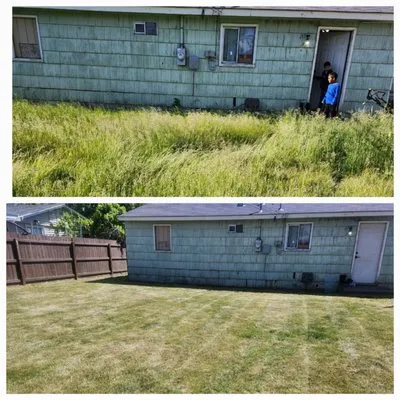
CBE Landscaping is a trusted, local landscaping company serving Quincy, WA, and the surrounding Columbia Basin. We specialize in solving the unique yard challenges that homeowners and businesses face ...
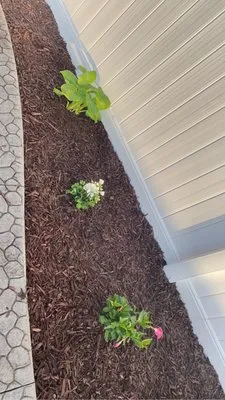
Moonlight Curbing provides professional landscaping and masonry services for homes and businesses in Quincy, WA. We understand the specific challenges of maintaining a beautiful property in our local ...

DNS Lawn Service is a dedicated Quincy-based landscaping company tackling the common local challenges of bare lawn patches and lawn fungus disease. We understand the unique soil conditions and climate...
E Landscaping is Quincy, WA's trusted partner for a healthy, beautiful outdoor space. We understand the unique challenges local property owners face, from managing the aggressive growth of shrubs in o...
Sun Basin Lawn Care is your trusted local lawn service in Quincy, WA, specializing in tackling the common local challenges of poor lawn grading and lawn fungus disease. We understand that improper gra...
Q&A
What low-maintenance alternatives to turf work with upcoming gas blower restrictions?
Transitioning to native plant communities featuring Big Sagebrush, Bluebunch Wheatgrass, and Rabbitbrush reduces maintenance demands ahead of noise ordinance changes. These species require minimal watering once established and thrive in Quincy's alkaline soil conditions. Native landscapes support local pollinators while eliminating weekly mowing and frequent blowing. Electric maintenance equipment handles leaf litter from Blanketflower and other natives quietly. This approach aligns with WUI Zone 2 compliance while creating habitat corridors.
Can I maintain Kentucky Bluegrass during Stage 1 water restrictions without brown patches?
Wi-Fi ET-based weather sensing irrigation systems optimize Kentucky Bluegrass health within voluntary conservation limits. These systems calculate evapotranspiration rates specific to Quincy's microclimate, adjusting watering schedules to actual plant needs. The technology prevents overwatering that leads to alkaline crusting while maintaining turf density. Programming deep, infrequent watering cycles encourages deeper root growth and drought tolerance. This approach typically reduces water usage by 20-30% while preserving turf quality.
How do I control invasive weeds without violating phosphorus restrictions?
Quincy's statewide phosphorus ban requires targeted approaches to invasive species management. Manual removal combined with organic pre-emergent herbicides prevents establishment without chemical runoff risks. Timing applications before early April mulching peak disrupts weed life cycles effectively. Soil testing identifies specific nutrient deficiencies rather than blanket fertilization. Integrating competitive native plants like Bluebunch Wheatgrass creates natural barriers against invasive colonization while maintaining ordinance compliance.
Are basalt pavers better than wood for durability and fire safety in Quincy?
Basalt pavers offer superior longevity and fire resistance compared to wood in Quincy's climate. Their non-combustible nature supports WUI Zone 2 defensible space requirements around structures. Basalt withstands freeze-thaw cycles without deterioration and maintains permeability for water infiltration. The material's thermal mass moderates temperature extremes near foundations. Unlike wood, basalt requires no chemical treatments that could leach into alkaline soils, making it a sustainable choice for fire-wise landscaping.
How quickly can you respond to an emergency storm cleanup that violates HOA regulations?
Emergency response from the Quincy Valley Historical Society and Museum area typically requires 15-20 minutes during peak conditions. Our electric maintenance fleet travels via WA-28 to minimize noise impact while complying with decibel restrictions. We prioritize safety assessments before debris removal, especially for fallen branches near structures. The electric equipment operates within Quincy's noise ordinance parameters while providing immediate compliance restoration for HOA violations.
Why does my Quincy yard have such hard, alkaline soil that won't absorb water properly?
Downtown Quincy properties built around 1977 have approximately 49 years of soil development on Aridisol silt loam. This alkaline soil (pH 7.5-8.2) naturally forms dense layers that restrict water penetration. The high clay content in silt loam compacts over decades, creating impermeable zones that cause water to pool rather than infiltrate. Core aeration combined with organic amendments like composted manure can improve soil structure and microbial activity. Regular soil testing helps monitor pH levels and nutrient availability in these mature landscapes.
What permits and licenses are needed for grading my 0.19-acre Quincy property?
Grading work on 0.19-acre lots requires Quincy Planning and Building Department permits for erosion control and drainage plans. Washington State Department of Labor & Industries licensing ensures contractors carry proper bonding and insurance for earthmoving operations. Significant grade changes may trigger additional reviews for stormwater management compliance. Professional landscape architects often coordinate these requirements while addressing soil stability concerns specific to Aridisol conditions. Proper documentation prevents violations and ensures long-term landscape integrity.
What solutions prevent irrigation runoff and alkaline crusting in my Quincy yard?
Aridisol silt loam's high sodium content creates surface sealing that exacerbates runoff issues. Installing permeable basalt paver systems allows water infiltration while meeting Quincy Planning and Building Department runoff standards. French drains with gravel layers improve subsurface drainage in compacted zones. Applying gypsum amendments helps displace sodium ions that contribute to crust formation. These combined approaches address both surface and subsurface water movement problems common in alkaline soils.
