Top Landscaping Services in Purdy, WA, 98332 | Compare & Call
There are 193 landscaping companies server in Purdy WA
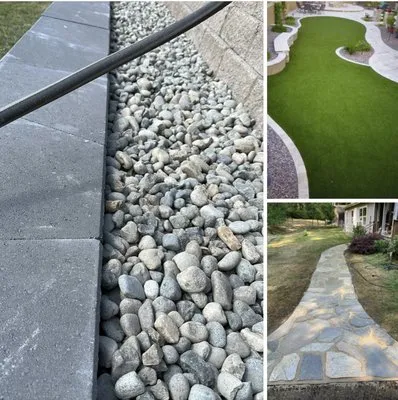
ICARE Landscaping
ICARE Landscaping is a trusted, fully licensed landscaping and construction provider serving homeowners in Belfair, WA. We focus on enhancing your property's value and curb appeal through a comprehens...

At Juan G Landscaping & Tree Service, we've been enhancing outdoor environments in Belfair and the surrounding areas since 2008. Our approach combines practical solutions with creative landscape desig...
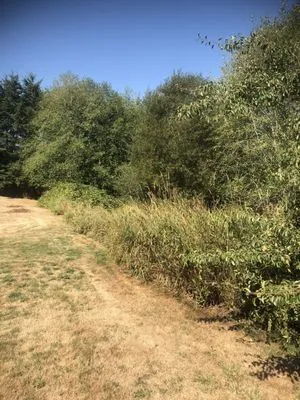
All Terrain Mowing is a Belfair-based landscaping and excavation company serving Mason County homeowners with comprehensive land management solutions. We specialize in tackling the common local challe...
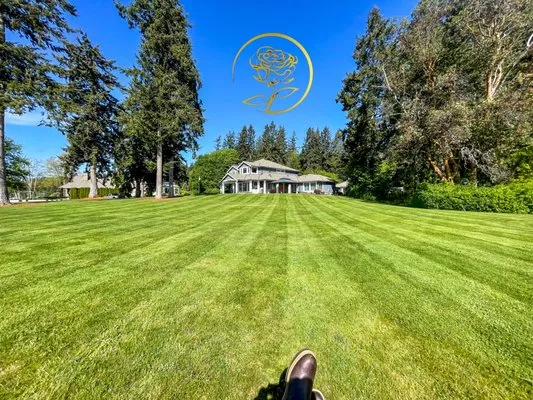
Golden Rose Landscaping is a trusted, locally-owned landscaping company serving Belfair and the surrounding Mason County area. We specialize in comprehensive landscape maintenance, professional greens...

Monster Mowers is a Tacoma-based lawn service company specializing in comprehensive yard maintenance and clearing solutions for local homeowners. We handle everything from routine lawn care to more in...
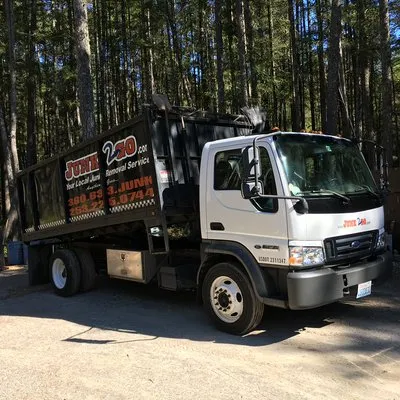
Junk 2 Go is a trusted, family-owned and operated business serving Gig Harbor, the Kitsap Peninsula, and surrounding communities. With over 20 years of hands-on experience, we provide comprehensive so...
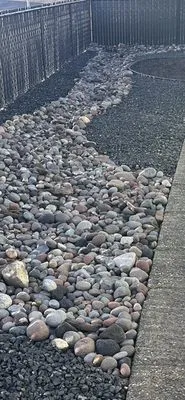
Tigers Landscape and Construction is a family-owned business with over three decades of experience serving Gig Harbor and Western Washington. We specialize in transforming outdoor spaces with comprehe...
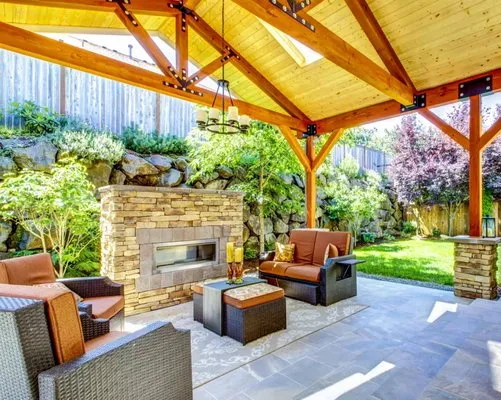
Founded by Thomas Allman, a respected expert with decades of experience dating back to the 1960s, Pro-West Landscape brings a unique blend of academic knowledge and hands-on skill to Port Orchard. Tho...
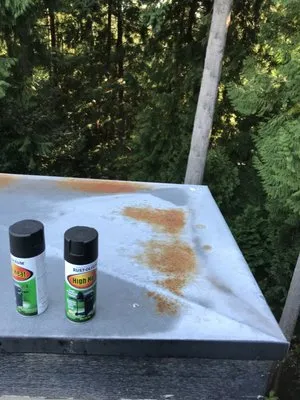
Beckman property cleanup
Beckman Property Cleanup has been serving Port Orchard and surrounding communities since 2001, providing reliable property preservation services. We focus on straightforward projects and approach ever...
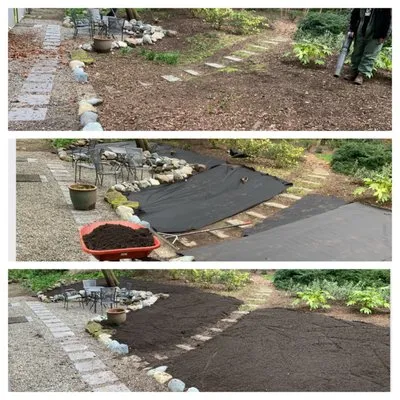
Hall of Fame Landscaping is a Bremerton-based company dedicated to transforming outdoor spaces through comprehensive lawn care, patio coverings, and hardscaping services. We specialize in creating tai...
Estimated Landscaping Service Costs in Purdy, WA
Frequently Asked Questions
Is a wooden deck or a stone patio better for our property's longevity and fire safety?
In Purdy's Moderate Fire Wise Zone 2, non-combustible materials are recommended for defensible space. A patio of permeable crushed basalt provides superior longevity over wood, which decays in the damp climate and presents a fuel hazard. The stone's thermal mass also moderates temperature. This choice aligns with WUI compliance guidelines, creating a durable, low-maintenance living space that reduces wildfire risk adjacent to the home.
We want to regrade part of our half-acre lot. What permits and contractor credentials are needed?
Any significant grading on a 0.50-acre parcel requires a review and likely a permit from Pierce County Planning and Public Works to ensure compliance with drainage and erosion control codes. The contractor must be licensed and bonded through the Washington State Department of Labor & Industries. This is critical, as improper grading can create off-site runoff issues and violate county stormwater regulations, leading to fines and required remediation.
We want to reduce mowing and gas-blower noise. What are the best native plants to use?
Transitioning high-maintenance turf to a landscape anchored by Salal, Red Flowering Currant, and Sword Fern directly addresses noise and emissions goals. These natives are adapted to the acidic soil and local climate, requiring no supplemental irrigation once established. This xeriscaping approach creates a dense, low-fuel zone that supports 2026 biodiversity standards and stays ahead of evolving residential noise ordinances targeting gas-powered equipment.
Our yard turns into a sponge every winter. What's a long-term solution for the mud?
Seasonal saturation is a direct function of the soil's glacial till composition and high infiltration rate. Installing a French drain system to intercept subsurface water flow is the primary correction. For any new patios or paths, using permeable crushed basalt or open-cell pavers meets Pierce County Planning and Public Works runoff standards by allowing water to percolate through, reducing surface pooling and directing water away from foundations.
Our house was built in the early 90s. Why does the lawn struggle so much despite regular care?
Homes built around 1994 in the Purdy/Wauna corridor sit on over 30-year-old soil profiles, a critical maturity point. The original acidic glacial till subsoil, with a pH of 5.5-6.2, is often compacted from construction and has a depleted organic layer. This leads to poor percolation and seasonal saturation. Core aeration paired with compost top-dressing is essential to rebuild soil structure, improve permeability, and correct the inherent acidity for healthier turf.
How can we keep our perennial ryegrass lawn green during summer without violating water restrictions?
Under Stage 1 voluntary conservation, ET-based smart irrigation is the standard. Wi-Fi soil-moisture sensors prevent watering during seasonal saturation and only activate when root-zone moisture drops below a set threshold. This technology, combined with a deep-and-infrequent watering schedule, trains the fine fescue blend for drought resilience. It optimizes every gallon, keeping the turf healthy while staying well within municipal water use expectations.
A major windstorm just blew through. How quickly can a crew get here for emergency debris cleanup?
Our electric maintenance fleet, which complies with local noise ordinances, can be dispatched immediately. A crew routing from Purdy Spit Park via WA-16 can typically reach most Purdy addresses within 20 to 30 minutes during standard conditions. We prioritize HOA compliance and safety hazards, with crews equipped for rapid brush chipping and removal of downed limbs to restore access and mitigate property damage.
We see English Ivy and Himalayan Blackberry taking over. How do we remove them safely?
Those are high-priority invasive species that outcompete natives. Manual removal, including digging out root crowns, is most effective for small areas, followed by immediate mulching with arborist chips to suppress regrowth. For larger infestations, targeted, permitted herbicide application by a licensed professional may be necessary. All methods must be timed outside of active bird nesting seasons and comply with the statewide Phosphorus Ban, using only soil-test-approved products.
