Top Landscaping Services in Prosser, WA, 99350 | Compare & Call

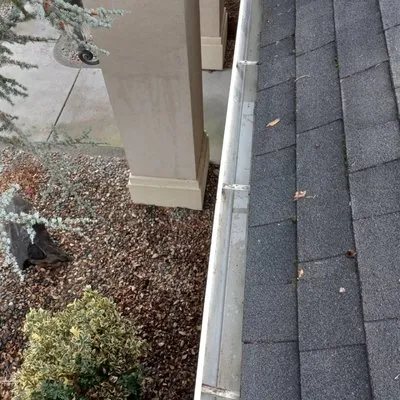
Landscaping Northwest is a family-owned and operated business committed to enhancing the outdoor spaces of Prosser homes and businesses. We believe in providing reliable, quality work at fair prices, ...
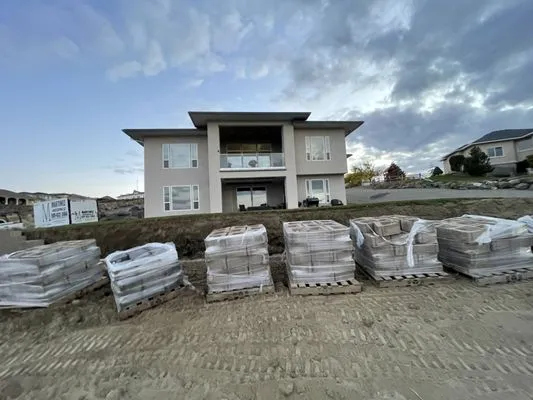
Martinez Landscaping is a Prosser-based company dedicated to creating and maintaining beautiful, healthy outdoor spaces for local homeowners. We specialize in a wide range of services, from greenscape...

Davy's Total Lawn Care Service is your Prosser, WA neighbor for reliable and expert lawn maintenance. We understand the local challenges homeowners face, particularly with shifting rock gardens and da...

DT Garden Service is your trusted local Prosser landscaping expert, specializing in tree care, artificial turf, and landscape maintenance. We understand the unique challenges of Prosser properties, su...
Allen's Landscaping is a trusted, locally-owned landscaping company serving Prosser, WA, and the surrounding areas. We specialize in addressing common local landscaping challenges, such as persistent ...
A Men Lawn Care is a Prosser-based gardening and landscaping service dedicated to keeping local yards healthy and vibrant. We specialize in addressing common Tri-Cities area issues like patchy lawn gr...
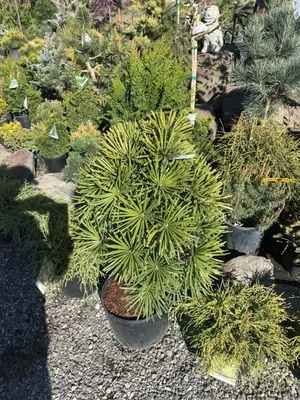
Yellow Rose Nursery
Yellow Rose Nursery is a cornerstone of the Prosser community, operating as a licensed nursery and full-service landscaping company. For over three decades, our experienced team has provided the regio...
Q&A
My yard develops puddles and a white, powdery crust. What's the solution for this alkaline runoff?
The puddling and white crust indicate two issues common to Prosser's silt loam: moderate surface runoff and alkaline salt accumulation. First, improve subsoil permeability by aerating and adding gypsum to help leach salts. For new installations, specify permeable jointing for basalt paver patios or walkways, which increases infiltration to meet city runoff standards. Redirecting downspouts to graded swales planted with deep-rooted natives also manages water at its source.
What are the long-term benefits of replacing some lawn with native plants in my yard?
Transitioning high-maintenance turf areas to a palette of natives like Bluebunch Wheatgrass, Lewis Flax, and Douglas Aster establishes a resilient, low-input landscape. These plants are adapted to local pH, require minimal water once established, and provide critical habitat. This shift future-proofs your property against increasing water restrictions and anticipated noise ordinances targeting gas-powered blowers and mowers, as these plantings need little seasonal cleanup.
What permits and contractor qualifications are needed for regrading my 0.22-acre lot?
Significant grading on a 0.22-acre parcel typically requires a permit from the Prosser Planning & Building Department to ensure compliance with drainage and erosion codes. The contractor must hold appropriate licensing through the Washington State Department of Labor & Industries, specifically for excavation and land grading work. This ensures they carry the required bonding and insurance, protecting you from liability for improper water diversion or slope failure.
What invasive weeds should I watch for, and how do I treat them without using restricted fertilizers?
High-priority invasive alerts for this region include puncturevine, cheatgrass, and bindweed. Management focuses on mechanical removal and pre-emergent strategies compliant with statewide phosphorus restrictions. Spot-treatment with approved, selective herbicides may be necessary for persistent perennials, but timing is critical to avoid application blackout dates. Building robust soil health with organic amendments is the foundational defense, as it helps desirable plants outcompete weeds.
Is it possible to maintain a healthy Kentucky Bluegrass blend under Prosser's water conservation rules?
Yes, using Wi-Fi ET-based weather-sensing irrigation is the precise method required. This technology schedules watering based on real-time evapotranspiration data, applying water only when the turf needs it and automatically skipping cycles after rain. It is the most effective tool for adhering to Stage 1 voluntary conservation while preserving the cool-season grass blend. Properly calibrated, it can reduce water use by 20-30% compared to traditional timer-based systems.
Are basalt pavers a good choice for a new patio, considering durability and fire safety?
Basalt is an excellent, durable choice for Prosser's climate, far outperforming wood in longevity and minimal maintenance. Its non-combustible nature directly supports creating the defensible space required in Moderate (WUI Zone 2) fire-risk areas. When installed with permeable bases, basalt patios also mitigate local runoff hazards. The material's thermal mass can moderate micro-climate temperatures adjacent to the home, adding a functional benefit.
How quickly can you respond to an emergency like storm debris or an HOA compliance notice?
For urgent service calls, our dispatch from Prosser City Park via I-82 allows a typical 20 to 30 minute response during peak conditions. We prioritize safety and compliance, carrying equipment for immediate debris removal and turf remediation. This routing is optimized to navigate Prosser's neighborhoods efficiently, ensuring we can secure a site and begin mitigation within the critical first hour after contact.
Why does my established lawn still struggle with drainage and compaction in Historic Downtown Prosser?
Homes built around 1980, common in this area, have soils that have matured for over 40 years. The native silt loam, with its naturally high pH of 7.6 to 8.2, is prone to forming a dense, alkaline crust that restricts water and air movement. This compaction is accelerated by decades of standard maintenance and minimal organic input. Core aeration in spring or fall, paired with amending soil with composted organic matter, is critical to improve soil structure and microbial activity for long-term health.
