Top Landscaping Services in Parkland, WA, 98387 | Compare & Call
There are 191 landscaping companies server in Parkland WA
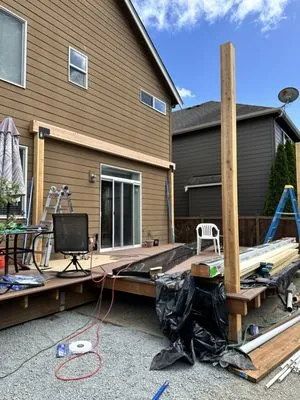
Lara Construction is a family-owned landscaping company serving Bellevue, WA, founded by Manuel after 22 years of hands-on experience with leading local firms. With specialized expertise from Uyeta La...
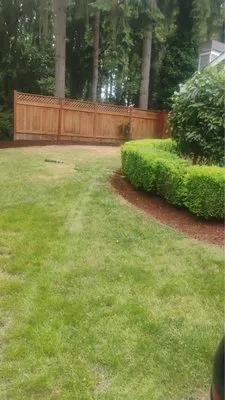
Sergio Landscaping Service transforms Kirkland's outdoor spaces with detailed, dedicated care. We focus on creating beautiful, healthy, and welcoming gardens and yards through personalized attention. ...
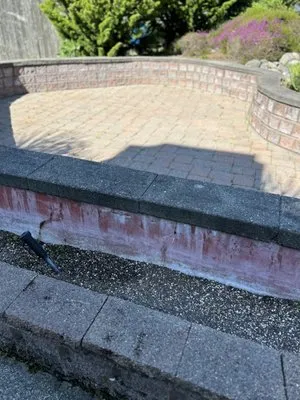
Beauty Garden Services is a family-owned landscaping company serving Tukwila and King County for nearly 40 years. Led by Mike Gagh and his dedicated team, we specialize in comprehensive yard solutions...
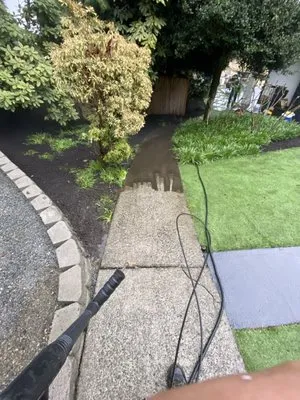
At Green State Landscaping in Lynnwood, WA, we treat every property as if it were our own. Our work is built on responsibility, punctuality, and honest communication. We arrive on time, provide clear ...
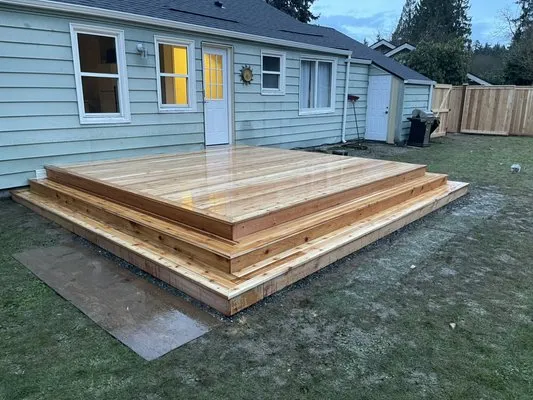
Julians Tj Fencing & Landscaping is a locally-owned and operated Auburn business built on genuine craftsmanship and a passion for outdoor projects. Founder Julian started the company after years of ha...
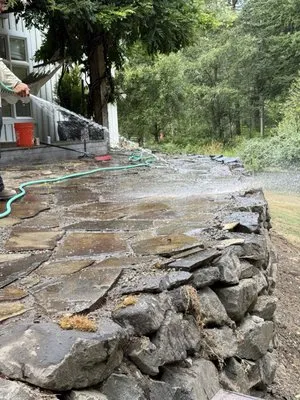
Panda Stylin LLC is a licensed and bonded local contractor serving Covington, WA, dedicated to transforming both your home and outdoor space. We combine the precision of demolition and hauling with th...
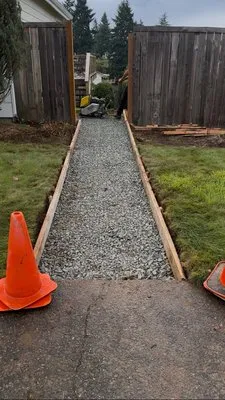
ALM Landscape & Construction
ALM Landscape & Construction LLC is a locally owned and operated business serving Auburn, WA, and surrounding King and Pierce Counties. With over 10 years of construction experience and 5 years specia...
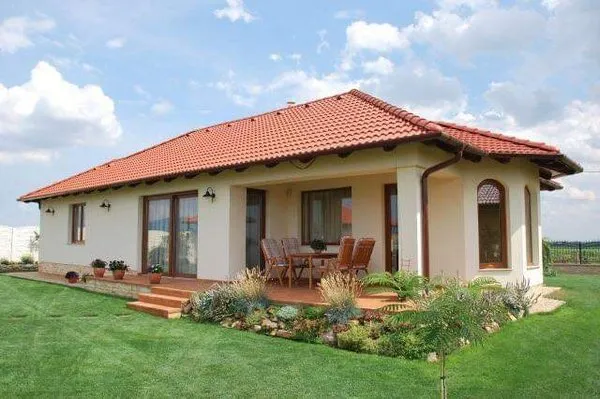
Raul Barrientos Landscaping and Handy is a trusted local contractor serving Kent, WA, offering a comprehensive range of landscaping, handyman, and masonry services. We specialize in resolving common l...
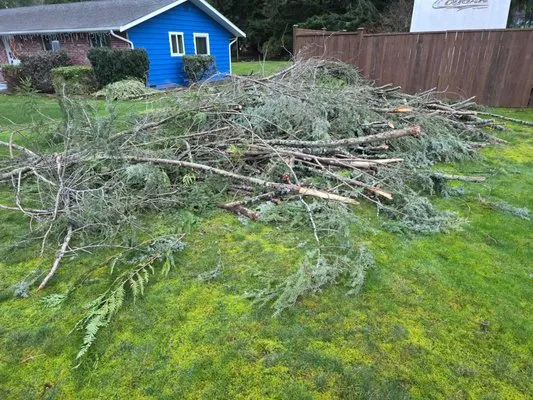
French Creek LLC is a Snohomish-based outdoor services company specializing in landscaping, junk removal, and tree care. We provide reliable solutions for local homeowners, including battery, chemical...
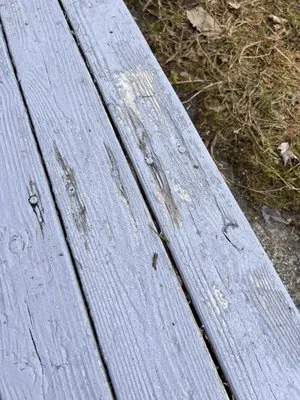
JMG Construction Services is a licensed construction company based in Auburn, WA, specializing in landscaping, painting, and fencing services. With years of experience in the remodeling and constructi...
Estimated Landscaping Service Costs in Parkland, WA
Frequently Asked Questions
How quickly can you respond to an emergency tree cleanup after a windstorm?
Emergency storm response from our base near Pacific Lutheran University typically takes 20-30 minutes during peak conditions. We route via SR-7 (Pacific Ave) to access Parkland Proper neighborhoods efficiently. Our electric equipment fleet operates within the 10:00 PM to 7:00 AM noise ordinance restrictions, allowing for extended response windows. HOA compliance issues receive similar priority dispatch scheduling.
How do I control invasive weeds without using prohibited fertilizers?
Common invasive risks in Parkland include Himalayan blackberry and English ivy, which thrive in disturbed acidic soils. Treatment involves mechanical removal followed by phosphorus-free fertilizers per Revised Code of Washington 15.54 requirements. Timing applications outside of blackout dates ensures compliance while supporting native plant establishment. Soil testing determines specific amendment needs without violating local ordinances.
Should I use wood or stone for my new patio in this fire-prone area?
Crushed basalt and permeable concrete pavers offer superior longevity and fire resistance compared to wood in Parkland's Moderate Urban-Wildland Interface rating. These materials maintain defensible space requirements while withstanding Pacific Northwest weather cycles. Their non-combustible nature reduces fire risk, and permeability addresses drainage concerns. Proper installation creates durable surfaces that complement native plantings without maintenance demands.
My yard floods during heavy rains despite the sandy soil - what's wrong?
Everett Gravelly Sandy Loam has high permeability but suffers from glacial outwash leaching, where water moves too quickly through the profile without proper retention. Installing permeable concrete pavers or crushed basalt hardscapes creates controlled drainage pathways. These materials meet Pierce County Planning and Public Works runoff standards by allowing gradual infiltration. Strategic placement directs water away from foundations while maintaining soil moisture balance.
What alternatives exist for reducing weekly mowing and gas equipment noise?
Replacing high-maintenance turf with native plantings like salal, Oregon grape, and sword fern creates low-input landscapes that thrive in Zone 8b. These species require minimal watering and no weekly mowing, aligning with evolving noise ordinances restricting gas-powered equipment. Western red cedar and red-flowering currant provide structure while supporting local biodiversity. Transitioning to electric maintenance equipment further reduces operational decibels.
What permits and licenses are needed to regrade my 0.22-acre property?
Grading work on a 0.22-acre lot in Pierce County requires permits from the Planning and Public Works office, particularly for soil disturbance exceeding 100 cubic yards. Contractors must hold Washington State Department of Labor & Industries licensing for excavation and earthwork. Professional licensing ensures compliance with stormwater management and erosion control standards. Unpermitted grading can violate county codes and create drainage liabilities for neighboring properties.
Why does my Parkland Proper lawn struggle despite regular watering and feeding?
Parkland's 1979-era homes sit on Everett Gravelly Sandy Loam, an acidic soil with pH 5.5-6.0 that has matured for 47 years. This acidic, gravelly composition often develops compaction and nutrient leaching, particularly in glacial outwash areas. Core aeration with organic amendments like composted bark improves soil structure and nutrient retention. Addressing these underlying soil conditions is more effective than surface treatments alone.
Can I maintain my perennial ryegrass/fine fescue blend under Stage 1 water restrictions?
Smart Wi-Fi ET-based weather sensing controllers optimize irrigation by calculating evapotranspiration rates specific to Parkland's microclimate. These systems adjust watering schedules based on real-time weather data, reducing water use by 20-30% while preserving turf health. During Stage 1 voluntary conservation, this technology helps maintain grass quality within municipal water limits. Properly calibrated controllers prevent overwatering in high-permeability soils.
