Top Landscaping Services in Orting, WA, 98360 | Compare & Call
There are 211 landscaping companies server in Orting WA
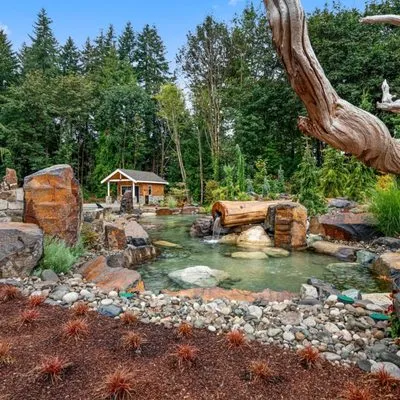
Sunrise Landscaping and Tree Removal, serving Olympia, Lacey, Tumwater, and Shelton, WA, was founded by Heath in 2002. A lifelong Olympia resident and graduate of WSU's landscape and architecture desi...
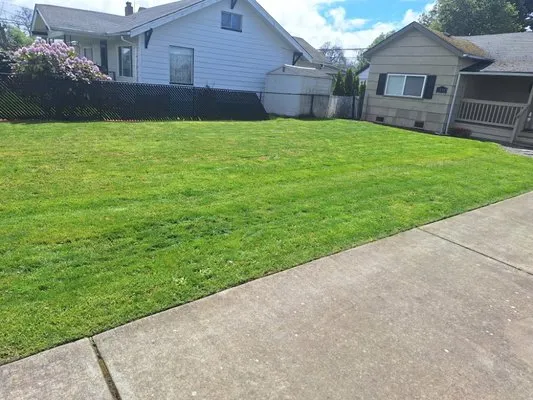
Curiel Landscaping is a family-owned landscaping business serving Lakewood, WA, with over five years of experience. Founded after years in the restaurant industry, we transitioned to pursue our passio...
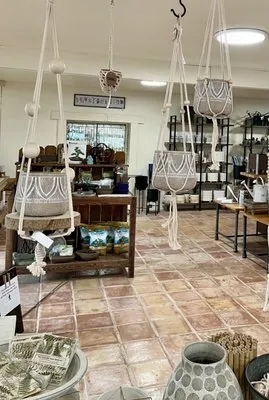
Todd's Nursery & Landscaping
Todd's Nursery & Landscaping has been a trusted resource for Puyallup and the greater Puget Sound area for over 60 years. As a full-service nursery and landscaping company, we offer an extensive selec...
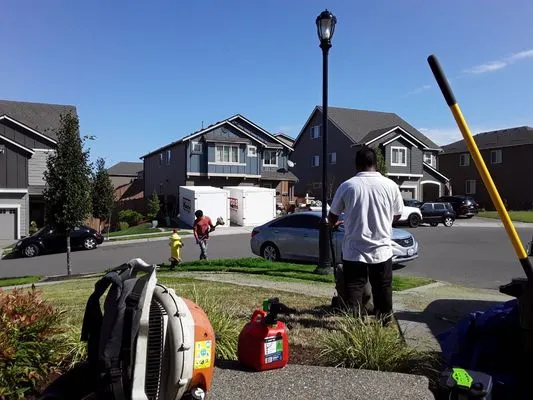
Carrillo's Landscaping is a licensed and bonded landscaping service based in Shelton, WA, with five years of experience serving the local community. They specialize in a comprehensive range of service...
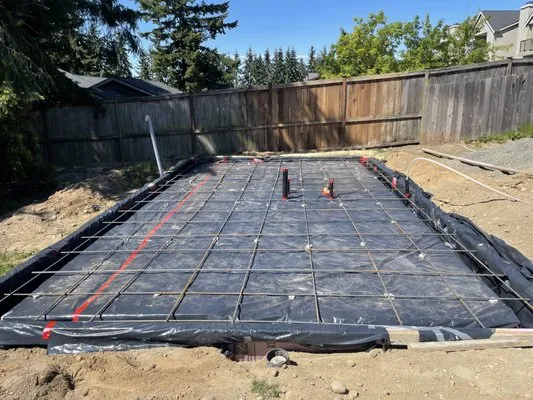
Landscape Creations is a family-owned masonry, fencing, and landscaping business serving Tacoma, WA, with over 16 years of local construction experience. We specialize in transforming outdoor spaces t...
Carlos Landscaping is a locally owned and operated landscaping company serving University Place, WA, and the surrounding areas. With several years of hands-on experience, our team is dedicated to prov...
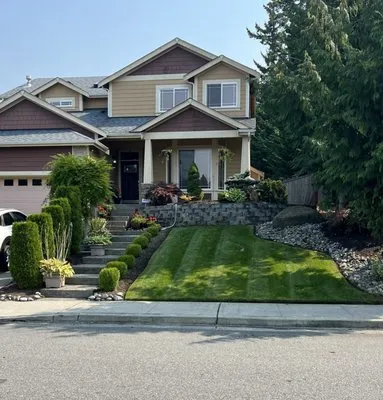
Pines Landscape is a family-owned landscaping service dedicated to enhancing outdoor spaces throughout the Tacoma, Olympia, and Seattle areas. Founded by owner Victor, the business operates on princip...
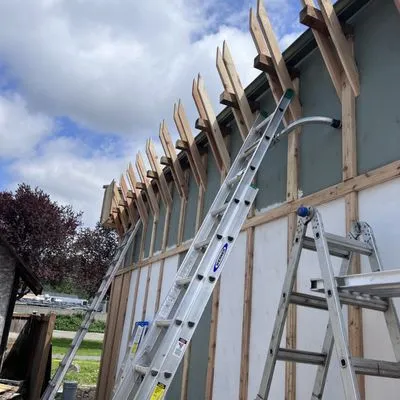
Tru Valhalla Construction & Handyman Services is a locally owned company in Tacoma, WA, founded in 2024 but built on over 30 years of construction and handyman experience. We focus on the details that...
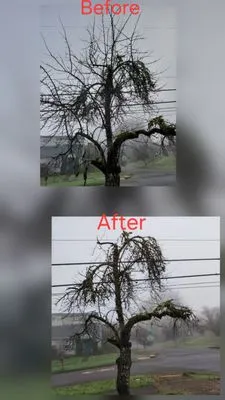
Saen Tree Removal Services LLC is a trusted, family-owned business proudly serving Lakewood, WA, and the surrounding communities. We provide reliable tree care services, including pruning, trimming, a...
T&O Landscape is a locally owned and operated company serving University Place, WA, with dependable lawn care and fencing services. We understand the specific challenges of our local climate and soil,...
Estimated Landscaping Service Costs in Orting, WA
Question Answers
What permits and contractor qualifications are needed for regrading our backyard?
Significant grading on a 0.22-acre lot typically requires a permit from the Orting Planning and Building Department to ensure proper drainage and erosion control. The contractor must hold appropriate licensing through the Washington State Department of Labor & Industries, specifically for landscaping or excavation. This ensures they are bonded, insured, and knowledgeable about local codes regarding soil disturbance and water runoff.
How do we keep our lawn green without wasting water or breaking future restrictions?
Current Stage 0 water restrictions allow flexibility, but proactive conservation is key. Wi-Fi ET-based Weather Sensing Controllers adjust irrigation in real-time based on local evapotranspiration data, applying water only when needed. This technology is optimal for maintaining Perennial Ryegrass and Fine Fescue turf while significantly reducing municipal water use, building resilience for potential future limitations.
Are permeable pavers a better long-term choice than a wooden deck for our patio?
Permeable Basalt Pavers offer superior longevity and functionality compared to wood in our wet climate. They provide a stable, non-rotting surface that manages stormwater on-site. For fire safety, their non-combustible nature contributes directly to defensible space requirements in Orting's Moderate (WUI Zone 2) fire risk rating, unlike wooden structures which require greater clearance.
Why does our soil seem so compacted and hard to work with?
Residential lots in Downtown Orting, developed around 2002, have 24-year-old soils that are still maturing. The native Acidic Alluvial Silt Loam (pH 5.5-6.2) is prone to compaction from construction and typical use. This reduces soil percolation and root penetration. Annual core aeration and incorporating composted organic matter are critical to improve soil structure and fertility for healthy plant growth.
Our yard is soggy for months; what's a lasting solution for this wet ground?
Persistent sogginess indicates the high seasonal water table common in Orting's low-lying riparian zones. The native silt loam has poor natural drainage. Solutions include installing French drains or dry wells to intercept groundwater. Using Permeable Basalt Pavers for patios or walkways also increases surface infiltration, helping manage runoff to meet current Orting Planning and Building Department standards.
Is there a lower-maintenance, eco-friendly alternative to a traditional grass lawn?
Transitioning high-input turf to a climate-adaptive xeriscape with native plants is a strategic sustainability upgrade. Species like Red Flowering Currant, Salal, and Western Sword Fern are adapted to Zone 8b and acidic soils, requiring minimal water and no chemical fertilizers once established. This approach reduces mowing frequency, eliminates gas-powered blower use ahead of tighter noise ordinances, and supports local biodiversity.
What should we do about invasive weeds like Scotch Broom or Himalayan Blackberry?
Invasive species like Himalayan Blackberry aggressively outcompete native plants. Treatment requires a methodical, multi-year plan of cutting and careful herbicide application to the root system, timed outside of peak growing seasons to protect non-target species. All fertilization, including any spot-treatment for resultant bare areas, must use phosphorus-free products as per local ordinance, unless a verified soil test confirms a deficiency.
How quickly can you respond for an emergency storm cleanup to meet an HOA deadline?
For urgent HOA compliance or post-storm debris removal, dispatch from our staging near Orting City Park allows a direct route via SR 162. Our peak storm response time to Downtown Orting is reliably 20-30 minutes. We coordinate arrival within the local noise ordinance window of 7 AM to 9 PM, utilizing electric equipment where possible to minimize decibel impact during early operations.
