Top Landscaping Services in North Fort Lewis, WA, 98433 | Compare & Call
There are 197 landscaping companies server in North Fort Lewis WA
Sarek Landscaping and More is a trusted, local Tacoma landscaping company dedicated to solving the common yard problems faced by homeowners in our community. We specialize in diagnosing and treating p...
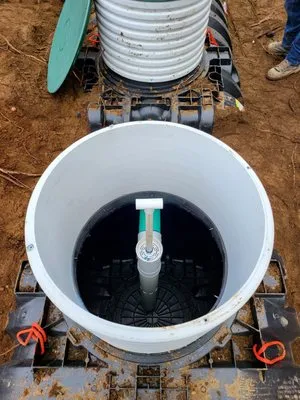
B & C Building Solutions is a trusted construction company serving Steilacoom and Pierce County, WA, with expertise in general contracting, landscaping, and septic services. Their team of skilled craf...
Max Handyman in Tacoma, WA, is your local solution for a variety of home and yard needs. We specialize in lawn services, painting, and furniture assembly, offering everything from drywall installation...
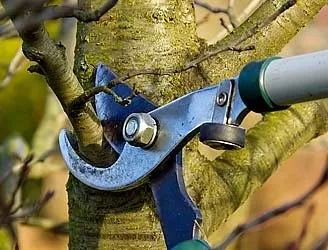
Founded on the vision of Agustin Simental, a professional with over 15 years of hands-on experience, ECO Landscaping LLC is a family-owned Tacoma business dedicated to helping our neighbors create out...
For over three decades, Mil's Son & Son has been a trusted name for home and yard care in Lakewood. Founded by Mil herself in the late 1980s, what began as a hobby grew into a respected local business...
Renaissance Landscaping serves homeowners and businesses throughout Lakewood, WA, with a focus on solving the area's most common and persistent landscaping challenges. We specialize in diagnosing and ...
J.L.M Maintenance And Landscaping is a trusted local landscaping company serving Lakewood, WA, dedicated to enhancing outdoor spaces with reliable maintenance and expert care. We specialize in address...
Estimated Landscaping Service Costs in North Fort Lewis, WA
Questions and Answers
Can I maintain my lawn during Stage 1 water restrictions?
Smart Wi-Fi ET-based weather sensing irrigation systems automatically adjust watering schedules based on real-time evapotranspiration data and soil moisture levels. This technology reduces water usage by 20-30% while preserving Kentucky bluegrass and perennial ryegrass health. The system accounts for North Fort Lewis's microclimate conditions, preventing overwatering during seasonal saturation periods. Voluntary conservation compliance becomes achievable through precise application timing and duration control.
How quickly can you respond to an HOA violation notice for overgrown vegetation?
Emergency cleanup crews dispatch from the Lewis Main Exchange area, taking I-5 to reach Madigan Village within 20-30 minutes during peak traffic conditions. This response window accounts for military base access protocols and typical congestion patterns. Crews arrive with electric maintenance equipment that meets current noise ordinance standards while addressing immediate compliance issues. The route optimization ensures timely resolution before HOA deadlines.
Should I replace parts of my lawn with native plants?
Transitioning high-maintenance turf areas to Salal, Oregon Grape, Western Sword Fern, and Red Flowering Currant reduces water consumption by 70-80% while supporting local pollinators. This approach aligns with 2026 biodiversity standards and prepares for upcoming gas-powered blower restrictions under noise ordinances. Native plant communities require minimal fertilization and create self-sustaining ecosystems. The conversion also decreases mowing frequency and associated carbon emissions from maintenance equipment.
Are permeable pavers better than wood decking for my patio?
Permeable concrete pavers offer superior longevity in Washington's wet climate, with 25+ year lifespans compared to wood's 10-15 years with constant maintenance. Their non-combustible nature supports WUI Zone 2 fire-wise compliance by creating defensible space around structures. The installation maintains soil permeability rates above 10 inches per hour, exceeding most municipal requirements. Unlike wood, pavers resist rot, insect damage, and require no chemical treatments that could leach into groundwater.
Why does my Madigan Village lawn struggle despite regular care?
North Fort Lewis properties built around 2003 have soil approximately 23 years old, which remains immature for healthy turf establishment. Acidic glacial till with pH 5.5-6.2 dominates Madigan Village, creating compacted layers that restrict root penetration and water movement. Core aeration combined with organic amendments like composted bark improves soil structure and microbial activity. Without these interventions, Kentucky bluegrass and perennial ryegrass blends cannot develop the deep root systems needed for drought resilience.
What solutions exist for yards that flood every spring?
Seasonal saturation in acidic glacial till soils requires engineered drainage systems that address both surface and subsurface water movement. Permeable concrete pavers installed with proper base materials create infiltration zones that reduce runoff volume. These installations must meet JBLM Directorate of Public Works standards for stormwater management in high water table conditions. French drains connected to dry wells provide additional capacity for redirecting groundwater away from structures.
How do I control invasive weeds without using restricted fertilizers?
Scotch broom and Himalayan blackberry present significant invasive threats in North Fort Lewis, requiring targeted management during specific growth phases. Mechanical removal combined with phosphorus-free herbicides applied outside blackout dates prevents soil contamination. Cultural controls including dense native plantings and proper mulching techniques create competitive environments that suppress reinfestation. Always verify treatment timing against RCW 15.54.500 requirements to avoid ordinance violations.
What permits and licenses are needed to regrade my 0.22-acre lot?
Grading projects exceeding 50 cubic yards of soil movement require JBLM Directorate of Public Works approval, with specific erosion control plans for acidic glacial till soils. Contractors must hold Washington State Department of Labor & Industries landscaping specialty licenses with bonding requirements. The 0.22-acre property size triggers additional review for drainage impact on adjacent lots and stormwater system capacity. Unlicensed grading operations risk significant fines and mandatory restoration orders at the property owner's expense.
