Top Landscaping Services in Monroe North, WA, 98272 | Compare & Call
There are 194 landscaping companies server in Monroe North WA
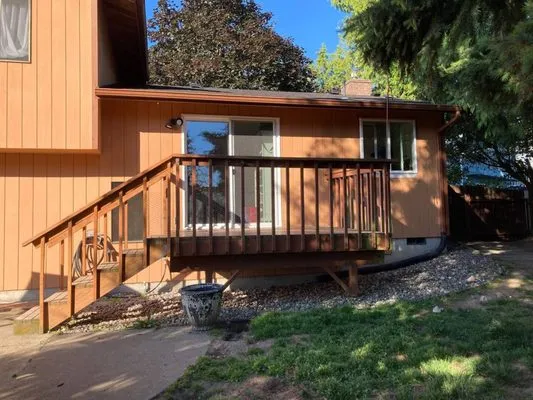
Eduardo GF Services is a family-owned landscaping and outdoor construction business serving Everett, WA, with many years of experience. We specialize in comprehensive landscaping, including earthmovin...
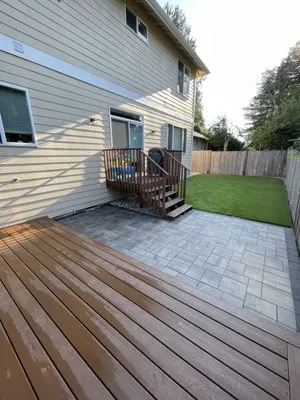
AV Landscaping is a trusted, full-service landscaping partner serving homeowners and businesses throughout Everett, WA. We combine years of hands-on experience with a practical, client-focused approac...
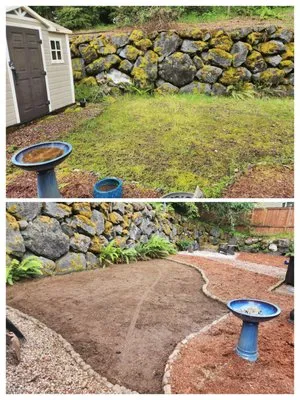
American Edge Lawn Maintenance is a locally owned and operated lawn care service in Marysville, WA, dedicated to transforming outdoor spaces into vibrant, healthy environments. We specialize in compre...
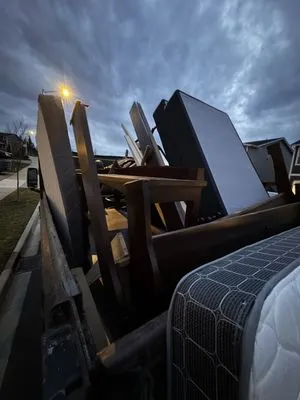
Gonzalez Junk Removal and Hauling
Gonzalez Junk Removal and Hauling is a locally owned and operated business in Lake Stevens, WA, founded by a team of friends with years of hands-on experience. We started from humble beginnings, drive...
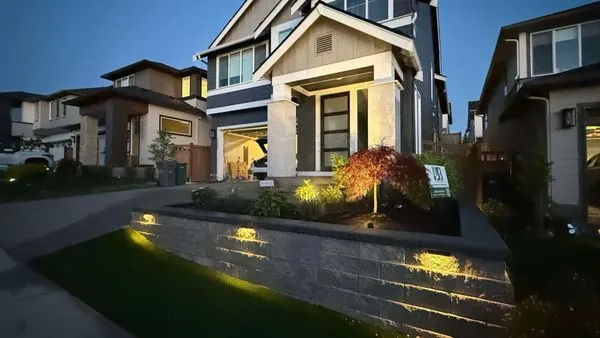
B&B Landscaping Services is a Snohomish-based, licensed contractor with over a decade of experience serving the greater Snohomish and King County area. Founded in 2014, we specialize in transforming o...
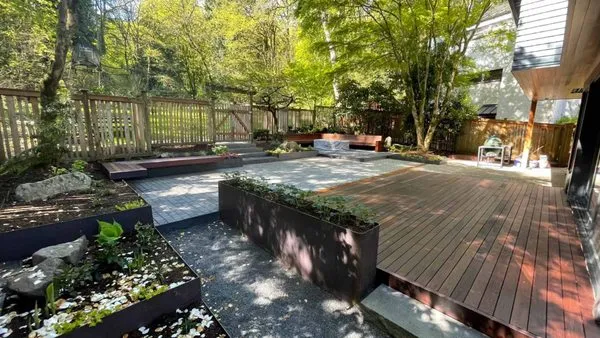
Millennium Landscape & Construction
Millennium Landscape & Construction is a Snohomish-based company with deep roots in the community, originally founded as Calluna's Gardens in 2001. Led by Heather, who combines business management and...
Angel's Landscaping is a trusted, full-service provider for homeowners and businesses in Everett, WA. We specialize in creating and maintaining beautiful, functional outdoor spaces, handling projects ...
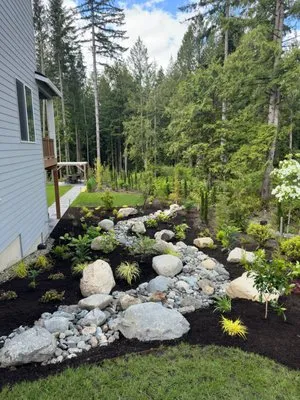
Universal Landscape Corp is a locally-owned and operated landscape construction company serving Tulalip, WA, and surrounding areas since 2005. Founded by two couples—the Metz's and the Istvan's—the bu...
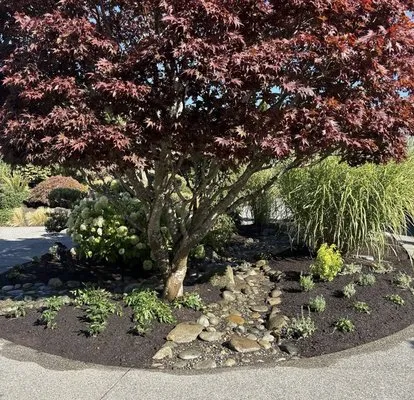
For over 25 years, Hawks Landscaping has been a trusted, family-owned presence in Everett, WA. Founded on a commitment to quality and customer relationships, the business has evolved into a father-and...
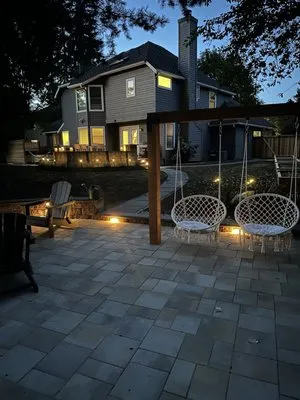
Baez Concrete and Landscaping is a Tulalip Bay-based contractor with over 25 years of experience dedicated to transforming local outdoor spaces. We specialize in a comprehensive range of services, fro...
Estimated Landscaping Service Costs in Monroe North, WA
Questions and Answers
Why does my Monroe North lawn struggle despite regular care?
Monroe North properties average 29 years of soil development since construction in 1997, insufficient for mature topsoil formation. The prevalent acidic silt loam (pH 5.5-6.2) becomes compacted from glacial till, reducing oxygen availability to root zones. Annual core aeration with compost amendments improves soil structure and microbial activity. This addresses the low permeability common in newer developments while maintaining the slightly acidic conditions favored by Northwest natives.
How do I control invasive weeds without chemicals?
Himalayan blackberry and English ivy pose significant threats to Monroe North's ecosystem integrity. Manual removal during dry periods prevents soil disturbance that spreads rhizomes. Phosphorus-free fertilizers applied outside blackout dates strengthen desired vegetation's competitive advantage. Solarization with clear plastic during summer months eliminates seed banks without violating local fertilizer ordinances. Regular monitoring prevents re-establishment of these aggressive species.
How quickly can you respond to storm damage for HOA compliance?
Emergency cleanup crews dispatch from Lake Tye Park via US-2, reaching Monroe North properties within 20-30 minutes during peak conditions. This response window accommodates debris removal from wind events while adhering to the 7 AM-9 PM noise ordinance. Crews prioritize safety hazards like fallen limbs before addressing cosmetic damage. Electric equipment maintains compliance with both noise limits and municipal carbon reduction targets.
Can I maintain a healthy lawn under Stage 1 water restrictions?
Smart Wi-Fi soil moisture sensors optimize irrigation by tracking evapotranspiration rates and soil saturation. These controllers deliver precise water volumes to perennial ryegrass and fine fescue blends during early morning hours. This technology reduces water use by 30-40% while preventing the overwatering that exacerbates Monroe's seasonal saturation issues. Municipal conservation goals align with maintaining turf health through data-driven irrigation scheduling.
What permits are needed for landscape grading work?
The Monroe Planning & Building Department requires grading permits for any earth movement exceeding 50 cubic yards on 0.22-acre lots. Washington State Department of Labor & Industries mandates contractors hold specialty landscaping licenses for drainage system installation. These regulations prevent soil erosion into adjacent properties and protect groundwater quality. Unlicensed grading risks fines up to $10,000 and mandatory restoration orders under state environmental codes.
Should I replace my lawn with native plants?
Transitioning high-maintenance turf to Salal, Red Flowering Currant, Sword Fern, and Douglas Spirea reduces water needs by 70% and eliminates weekly mowing. These natives support local pollinators while requiring no synthetic inputs. The shift anticipates stricter noise ordinances limiting gas-powered equipment use. Native plantings also enhance biodiversity beyond 2026 WUI Zone 2 requirements without compromising aesthetic value.
What solutions exist for persistent yard flooding?
Glacial till compaction beneath acidic silt loam creates impermeable layers that trap surface water. Permeable interlocking concrete pavers installed with 6-8 inches of gravel base achieve 80-90% infiltration rates. This meets Monroe Planning & Building Department runoff standards while preventing soil erosion. French drains connected to rain gardens provide additional capacity for the high seasonal saturation common in Monroe North's topography.
Are permeable pavers better than wood for patios?
Permeable interlocking concrete pavers offer 40+ year lifespans versus wood's 10-15 years in Monroe's damp climate. Their non-combustible nature supports WUI Zone 2 defensible space requirements better than wooden structures. The modular design accommodates root growth and frost heave while managing stormwater runoff. Unlike wood, these pavers require no chemical treatments that could leach into the acidic silt loam soil profile.
