Top Landscaping Services in Mill Creek, WA, 98012 | Compare & Call

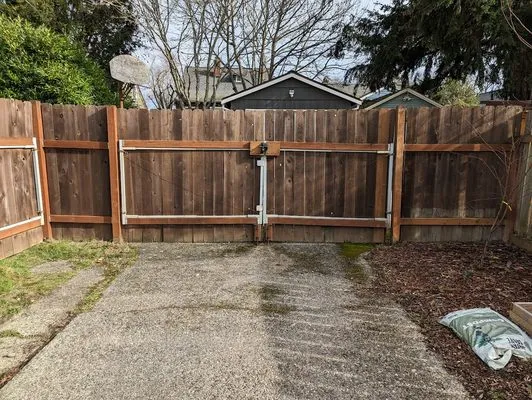
All In One Landscaping And Fencing
All In One Landscaping And Fencing is a locally owned and operated company serving Mill Creek and surrounding areas. Owner Fernando personally oversees each project, from initial consultation to final...
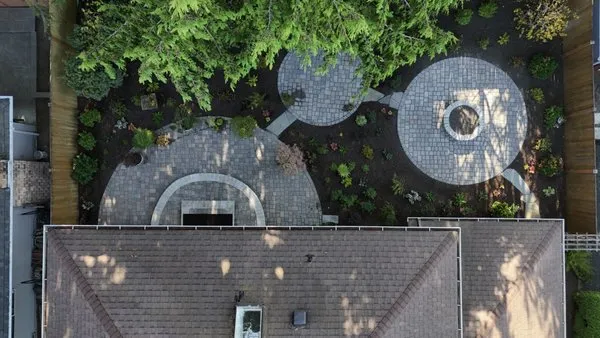
The Northwest Gardener is a trusted, family-owned landscaping company that has been serving Mill Creek and the greater Puget Sound area since 1984. Founded by Doug after years of experience, the busin...
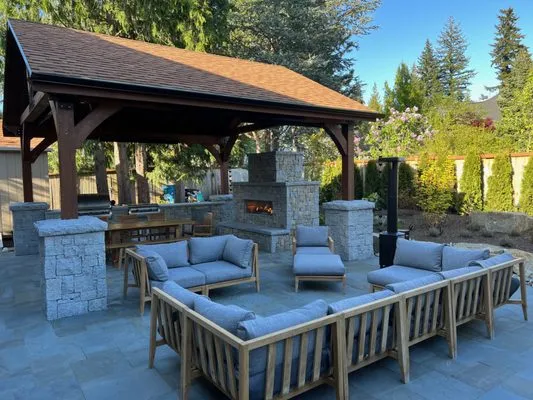
Mill Creek Landscapes
Founded in 2010 by Nick Noren, Mill Creek Landscapes is a locally owned and operated firm born from a deep appreciation for the Pacific Northwest. Nick, who was raised here, combines his regional upbr...
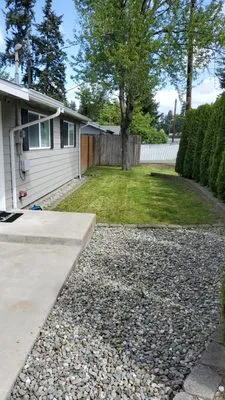
John's Cleaning Services in Mill Creek, WA, is a locally owned and operated landscaping company founded with a family-first approach. Starting with a simple desire to build a sustainable business, we'...
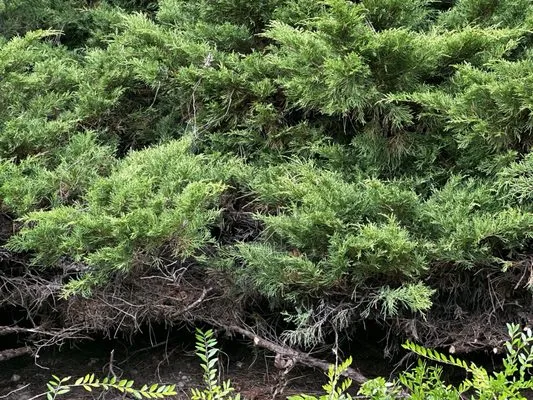
Parkview Landscaping is a licensed landscaping service based in Mill Creek, WA, established in 2009. We specialize in comprehensive residential and commercial grounds maintenance across the Pacific No...
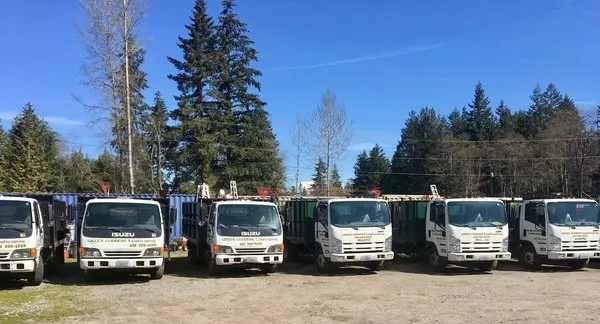
Green Goddess Landscaping is a Mill Creek-based landscaping company dedicated to keeping local yards healthy and beautiful. We specialize in comprehensive shrub care, including planting, pruning, dise...
Pro Chavez Landscaping
Pro Chavez Landscaping is a family-owned and operated business that has been a trusted part of the Mill Creek community since 1998. For over two decades, the Chavez family has provided comprehensive l...

Macedo Landscaping is a trusted, locally-owned landscaping company serving Mill Creek, WA, and the surrounding areas. We understand the specific challenges homeowners in our community face, such as st...
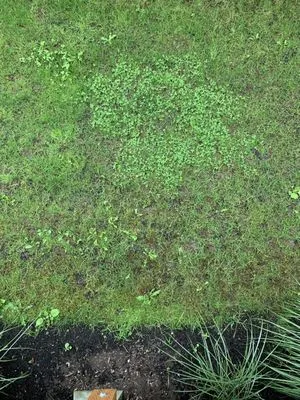
VIP Lawns provides professional lawn and tree care services for homeowners in Mill Creek, WA. As a local business, we understand the unique challenges of our climate, including the frequent need for s...
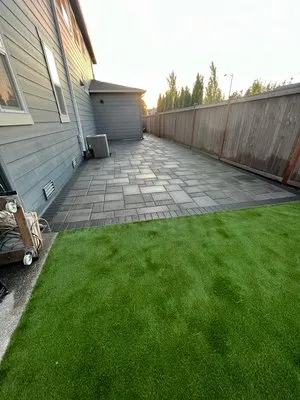
7W Pavers & Landscape is a trusted masonry and landscaping company serving Mill Creek, WA, specializing in landscape construction and installation. We help homeowners address common local issues like ...
FAQs
How can we maintain a healthy lawn under Mill Creek's voluntary water conservation rules?
Stage 1 voluntary conservation is best managed with smart, Wi-Fi ET-based weather-sensing controllers. These systems automatically adjust watering schedules using real-time evapotranspiration data, applying water only when your perennial ryegrass and fine fescue blend truly needs it. This technology prevents overwatering, which is particularly wasteful on slow-infiltrating glacial till, and keeps irrigation within municipal guidelines while preserving turf health.
We want to reduce mowing and noisy gas blower use. What are ecologically sound alternatives to high-maintenance turf?
Transitioning to a landscape anchored by Pacific Northwest natives like Western Sword Fern, Salal, Red Flowering Currant, and Pacific Ninebark significantly reduces maintenance. These plants are adapted to local acidic soils and climate, requiring no supplemental water once established and no weekly mowing. This xeriscaping approach future-proofs your property against tightening noise ordinances on gas equipment and supports 2026 biodiversity standards for the Mill Creek watershed.
Our backyard holds water after every rain. What's a long-term solution for this soggy soil?
Slow infiltration is a direct result of compacted glacial till, a common Mill Creek drainage hazard. Beyond core aeration, replacing impervious surfaces with permeable concrete pavers creates critical drainage zones. These pavers allow stormwater to infiltrate on-site, reducing runoff and meeting City of Mill Creek Department of Planning and Development standards. Integrating a dry well or French drain system in the wettest areas can further direct subsurface water away from foundations.
We've spotted invasive English Ivy and Himalayan Blackberry. How should we treat them without harming the environment or breaking local rules?
Manual removal is the primary method, ensuring roots are fully extracted to prevent regrowth. For persistent woody invasives like blackberry, targeted cut-stump treatment with a glyphosate-based herbicide is effective, but application must avoid drift onto lawns. Crucially, any follow-up fertilizer must be phosphorus-free to comply with Mill Creek's ordinance. Promoting dense growth of native groundcovers like Salal after removal helps prevent reinvasion.
Our Mill Creek yard seems to struggle with drainage and compaction. Why is this common here?
Lots in Mill Creek Town Center, typically developed around 1995, have soils maturing for roughly 31 years. The underlying acidic glacial till (pH 5.5-6.2) naturally compacts over time, severely reducing percolation. This legacy soil profile often lacks mature organic structure, leading to water pooling and root stress. Annual core aeration combined with incorporating compost is critical to rebuild soil biology and improve permeability for healthy plant growth.
We want to regrade part of our 0.22-acre lot. What permits and contractor qualifications are required?
Any significant grading that alters drainage patterns or involves more than 50 cubic yards of earth requires a permit from the City of Mill Creek Department of Planning and Development. The contractor must be licensed and bonded through the Washington State Department of Labor & Industries. This licensing ensures they carry proper insurance and understand state excavation safety codes. For lots of this size, improper grading can negatively impact neighboring properties, making professional, permitted work essential.
A major windstorm caused significant debris. How quickly can you respond for an emergency cleanup to meet HOA compliance?
Our emergency dispatch for Mill Creek Town Center routes from the Mill Creek Nature Preserve staging area, using I-5 for direct access. We maintain a peak storm response window of 20-30 minutes. Our fleet includes electric-powered equipment compliant with local noise ordinances, allowing us to begin work immediately upon arrival without time-of-day restrictions, ensuring rapid debris management and hazard mitigation.
Is a new paver patio or a wood deck better for longevity and safety in our area?
Permeable concrete pavers offer superior longevity over wood in our damp climate, resisting rot and decay. They also contribute to a property's Fire Wise rating in this Moderate Wildland-Urban Interface zone by creating a non-combustible, defensible space adjacent to the home. Unlike wood, pavers require no chemical treatments, maintain structural integrity for decades, and directly address local stormwater management requirements through their inherent permeability.
