Top Landscaping Services in Midland, WA, 98404 | Compare & Call
There are 226 landscaping companies server in Midland WA
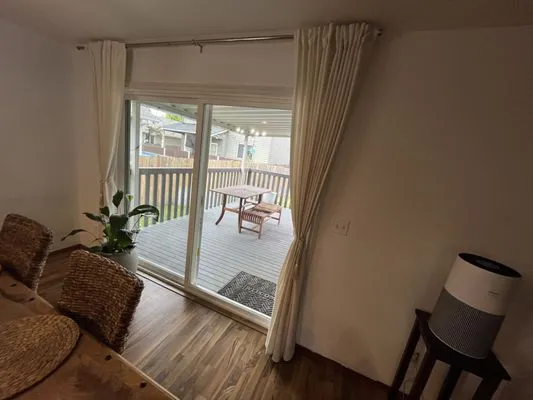
S & J Landscaping & Construction
S & J Landscaping & Construction is a trusted, full-service landscaping and construction company serving Spanaway, WA, and the surrounding areas. Specializing in landscaping, fences & gates, and decks...
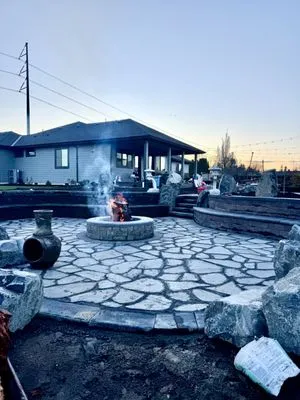
Summit Landscaping is a trusted, locally-owned landscaping and lawn care service based in Tacoma, Washington. We provide comprehensive residential and commercial services to keep your property looking...
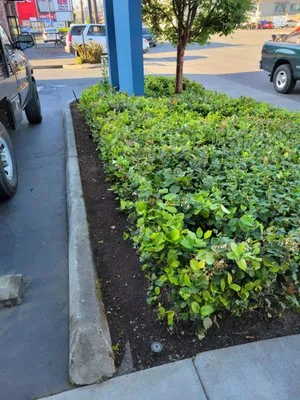
Landscaping Landin is a locally owned and operated service provider with over eight years of experience serving Auburn, WA. Our team of maintenance specialists is dedicated to caring for your garden a...
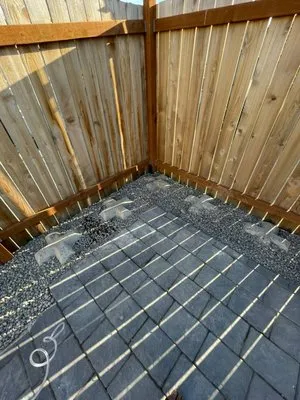
SeaBuilt is a Tacoma-based handyman and landscaping company providing reliable home and yard solutions for the local community. We specialize in a wide range of services, from appliance installation a...

MNM Landscaping is a Tacoma-owned company built on reliability and a deep commitment to our community. We understand that our success comes from the trust of our neighbors, which is why every project—...
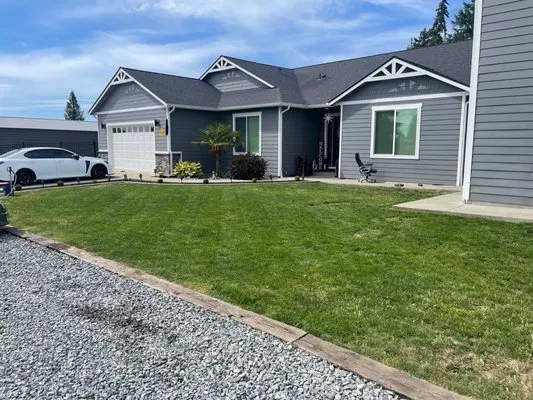
Savage Rootz Lawn Care is a dedicated lawn service provider serving the Lakewood, WA community. We specialize in comprehensive lawn care to address the common local frustrations of persistent mulch be...
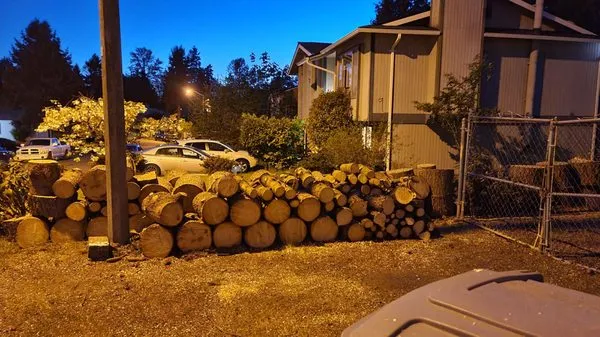
Vegas Brothers Tree Services & Landscaping is a family-owned and operated business serving Kent, WA and the surrounding Northwest Washington area. With over a decade of experience, we specialize in co...
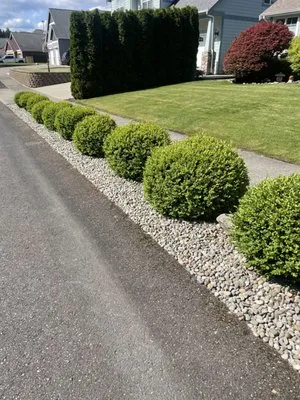
Robinson and Son is a trusted general contracting and landscaping company serving Olympia, WA, with decades of combined experience. We specialize in comprehensive home remodeling—including bathrooms, ...
Based in Tacoma, WA, Amz Landscape is a full-service contractor specializing in landscaping, cabinetry, and door sales/installation. We understand the unique challenges of local properties, including ...
Green Genesis is a locally owned and operated landscape contractor serving University Place and the wider Pierce County area. Our team of professionals is equipped to handle projects of all sizes, fro...
Estimated Landscaping Service Costs in Midland, WA
Common Questions
How do we keep our lawn green during summer while following voluntary water conservation?
Under Stage 1 voluntary conservation, efficient water use is critical. Soil moisture sensor-based controllers are the definitive solution, applying water only when the root zone of your Perennial Ryegrass and Fine Fescue turf requires it. This ET-based irrigation prevents overwatering, which is especially important given Midland's high water table. Properly calibrated systems maintain turf health while reducing potable water use by 20-30%, aligning with municipal sustainability goals.
What permits and credentials are needed for regrading our backyard?
Regrading a 0.22-acre lot in Midland typically requires a permit from Pierce County Planning and Public Works to ensure proper stormwater management and compliance with grading codes. The contractor must be licensed and bonded through the Washington State Department of Labor & Industries. This licensing is mandatory for earthwork exceeding certain volumes and guarantees that the work meets structural and environmental standards, protecting you from liability and substandard results.
Our yard stays soggy for months. What's a long-term fix for poor drainage?
Seasonal saturation is a common issue in Midland due to acidic glacial till soils and a high water table. Correcting this requires improving subsurface permeability. Solutions include installing French drains tied to a dry well and using permeable hardscape materials like crushed basalt or permeable concrete for patios and paths. These methods increase infiltration, reduce surface pooling, and help manage stormwater runoff to meet Pierce County Planning and Public Works standards.
Is crushed basalt a better choice than wood for a new patio?
For longevity and low maintenance in Midland, mineral-based materials like crushed basalt or permeable concrete outperform wood. They resist weathering, do not rot, and provide a stable, permeable surface that mitigates local drainage issues. From a fire-wise perspective, these non-combustible materials are superior for creating defensible space in this Moderate Wildland-Urban Interface zone, enhancing property safety while providing a durable, aesthetic finish.
How quickly can a crew respond for an urgent storm cleanup to avoid HOA fines?
For emergency storm response in Midland, a crew can typically be dispatched within 20-30 minutes during peak hours. The standard route from our staging area near Midland Elementary School uses SR-512 for efficient access. We prioritize safety and compliance, using electric equipment where possible to meet the 7am-10pm noise ordinance window while clearing debris to restore property safety and meet covenant standards.
Why is the soil in our Midland yards so compacted and acidic?
Lots in Midland, developed around 1984, have 42-year-old landscapes on native acidic glacial till. This fine, dense soil naturally has a pH of 5.5-6.2, which can inhibit nutrient availability. Decades of foot traffic and equipment use have further compacted it, reducing percolation and root penetration. An annual core aeration and application of composted organic matter are necessary to improve soil structure and gradually neutralize acidity for healthier plant growth.
What are the benefits of replacing some lawn with native plants?
Transitioning high-maintenance turf to a palette of natives like Salal, Red Flowering Currant, and Sword Fern significantly reduces water, fertilizer, and fossil fuel inputs. These plants are adapted to our Zone 8b climate and acidic soils, requiring no supplemental phosphorus under state law. This shift also reduces reliance on gas-powered blowers and mowers, future-proofing your landscape against tightening noise ordinances and supporting local biodiversity.
What should we do about invasive weeds like Scotch Broom or Himalayan Blackberry?
Invasive species like Scotch Broom thrive in disturbed, acidic soils. Safe, effective control without violating the Washington State phosphorus ban requires a targeted approach. For young plants, manual removal is best. For established stands, a carefully timed application of a glyphosate-based herbicide in late summer, followed by seeding with competitive natives like Oregon Grape, can reclaim the area. Always adhere to label instructions and consider the local fire-wise rating when managing dry, combustible invasives.
