Top Landscaping Services in Mead, WA, 99021 | Compare & Call

There are 149 landscaping companies server in Mead WA
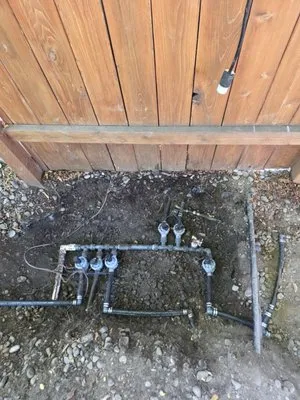
Lawrence Landscape and Sprinklers is a veteran-owned, Spokane-based business founded on a deep understanding of Pacific Northwest horticulture. Owner David Lawrence's journey in sustainable landscapin...

C&J Landscaping is a full-service, locally-owned company dedicated to transforming and maintaining outdoor spaces across Spokane. We offer a comprehensive range of services, from landscape design, con...
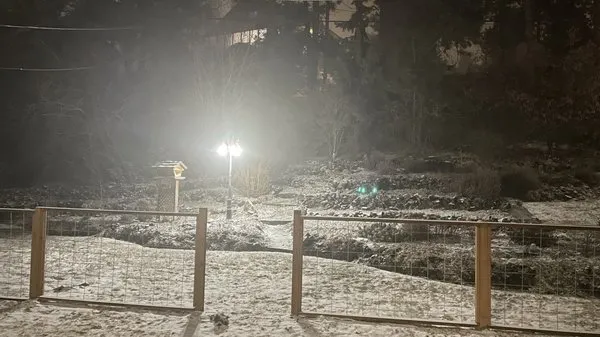
Founded in 1993 by local resident Kent Kimball, K2 Landscaping has been a trusted family-owned fixture in Spokane and the Inland Northwest for over three decades. Our mission is to provide affordable,...

Based in Spokane, WA, Three Locos Premium Yardworks is a locally owned and operated team dedicated to transforming and maintaining outdoor spaces. We bring a straightforward, hard-working approach to ...
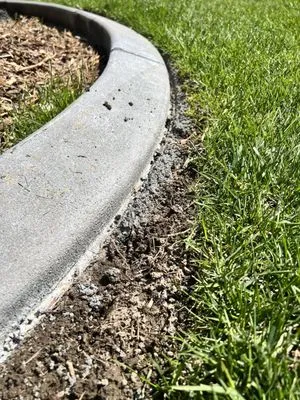
Dundee Concrete and Landscaping is a family-operated business founded in Spokane in 2006, with over 16 years of dedicated service. We’ve built our reputation on quality craftsmanship and lasting custo...
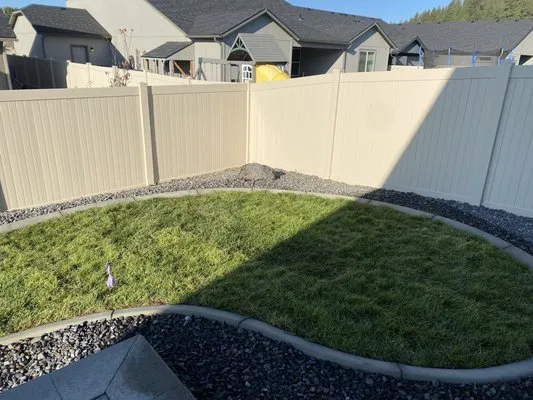
Founded in 1985 by Chris Corigliano and Pat Cacucciolo, C & C Yard Care began as a simple summer lawn mowing service for North Spokane homeowners. Guided by the principles of honesty, dependability, a...
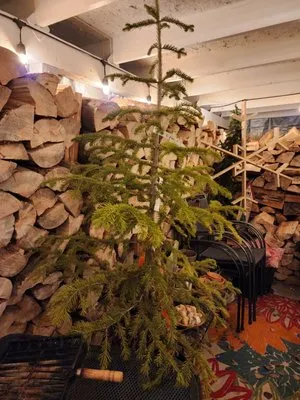
Spokane Boys
Founded by a local Eastern Washington University graduate, Spokane Boys has been a trusted part of the community since 1995. We’ve built our business around the rhythm of the seasons here, starting wi...
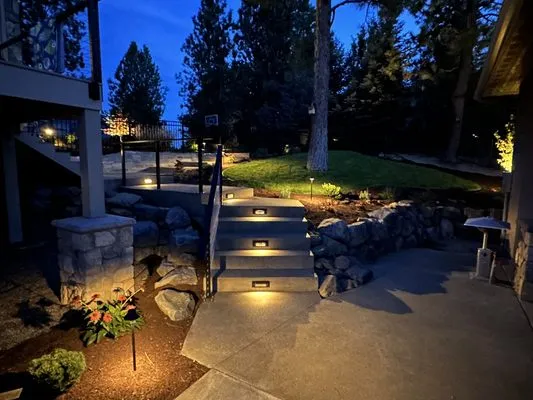
Since 1975, Landsite Development has been a trusted, family-owned landscaping partner for Spokane homeowners. We specialize in transforming challenging yards into beautiful, functional outdoor spaces ...
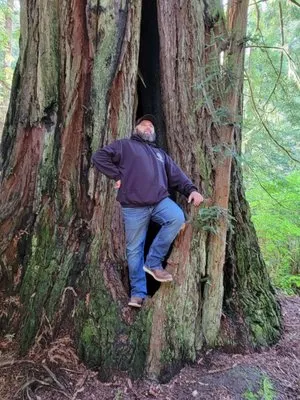
Highland Landscaping is a family-owned business serving Spokane Valley with over 20 years of experience in landscaping and tree services. We specialize in comprehensive property transformations, from ...
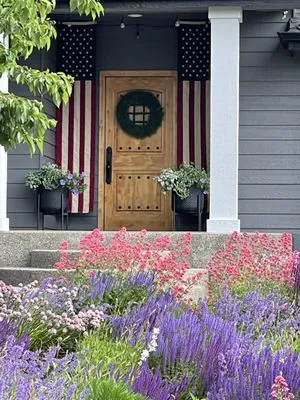
Garden Landscapes brings over two decades of professional gardening and landscaping expertise to Spokane, combining a rich history from London and Milwaukee with a deep understanding of the Inland Nor...
Estimated Landscaping Service Costs in Mead, WA
Q&A
What solutions address moderate runoff and seasonal frost heave problems in Mead's silt loam soils?
Silt loam's moderate permeability combined with seasonal freeze-thaw cycles creates predictable drainage challenges. Installing French drains with proper slope directs water away from foundations while permeable basalt stone pavers allow surface infiltration. These systems must meet Spokane County Building and Planning standards for runoff management. Combining subsurface drainage with surface permeability reduces erosion and minimizes frost heave damage to hardscapes during winter months.
What invasive species threaten Mead landscapes, and how do I treat them safely near waterways?
Common invasive alerts include Himalayan blackberry, cheatgrass, and diffuse knapweed that outcompete native vegetation. Treatment requires phosphorus-free herbicides during designated application windows to protect aquatic ecosystems. Manual removal combined with targeted spot treatments prevents chemical runoff into waterways. Timing applications outside of blackout dates ensures compliance with local ordinances while effectively managing invasive populations without harming desirable plants or soil microbiology.
Why choose basalt stone pavers over wood decking for outdoor living spaces in fire-prone areas?
Basalt stone pavers provide superior fire resistance compared to combustible wood materials, supporting WUI Zone 2 compliance for defensible space. Their natural durability withstands freeze-thaw cycles without deterioration, offering 30+ year lifespans with minimal maintenance. The thermal mass of basalt moderates temperature extremes while creating non-flammable zones around structures. This material choice enhances property safety in moderate fire risk areas while maintaining aesthetic appeal through natural stone textures.
Can I maintain Kentucky Bluegrass turf during Stage 1 water restrictions without excessive water use?
Wi-Fi ET-based weather sensing irrigation systems precisely match watering to actual evapotranspiration rates, reducing Kentucky Bluegrass water requirements by 20-30% compared to traditional timers. These systems automatically adjust for temperature, humidity, and precipitation data, staying within voluntary conservation guidelines. Programming deep, infrequent watering cycles encourages deeper root growth and drought tolerance. This technology maintains turf health while respecting municipal water limits through intelligent scheduling based on real-time conditions.
Why does my 1990s-era Mead yard struggle with compacted soil that resists water absorption?
Homes built around 1990 in the Mead Residential Corridor have approximately 36 years of soil development since construction. The prevalent silt loam soil (pH 6.8-7.2) naturally compacts over time due to foot traffic and equipment weight, reducing permeability. This compaction creates a dense layer that inhibits water percolation and root penetration. Core aeration every 2-3 years combined with organic amendments like composted bark improves soil structure and microbial activity. The neutral pH range supports most landscape plants but requires regular testing to maintain optimal nutrient availability.
How can I reduce maintenance while preparing for upcoming electric equipment requirements?
Transitioning high-maintenance Kentucky Bluegrass to native plantings like Serviceberry, Quaking Aspen, Arrowleaf Balsamroot, and Blanketflower significantly reduces mowing and watering needs. These adapted species require minimal inputs while supporting local pollinators and biodiversity. This approach aligns with evolving noise ordinances restricting gas-powered equipment and supports Washington's 2026 biodiversity standards. Native landscapes also demonstrate better resilience to Mead's climate variations with lower long-term maintenance costs.
What permits and licensing are required for regrading my 0.35-acre Mead property?
Grading projects on 0.35-acre lots typically require Spokane County Building and Planning permits for erosion control and drainage management. Contractors must hold Washington State Department of Labor & Industries registration with specific landscaping endorsements for earthwork exceeding certain volumes. Professional licensing ensures proper slope calculations, soil stabilization, and compliance with runoff regulations. Unpermitted grading can violate county codes and create liability issues, making verified contractor credentials essential for landscape modification projects.
How quickly can you respond to emergency storm damage that violates HOA maintenance standards?
Emergency cleanup crews dispatch from our Mead High School staging area, taking US-395 directly to affected properties. During peak conditions, arrival typically occurs within 25-35 minutes with electric equipment that complies with quiet hour ordinances. Our response prioritizes immediate hazard mitigation like fallen limb removal and drainage restoration. This rapid intervention prevents secondary damage while addressing HOA compliance requirements for property appearance and safety.
