Top Landscaping Services in Maple Valley, WA, 98038 | Compare & Call
There are 210 landscaping companies server in Maple Valley WA
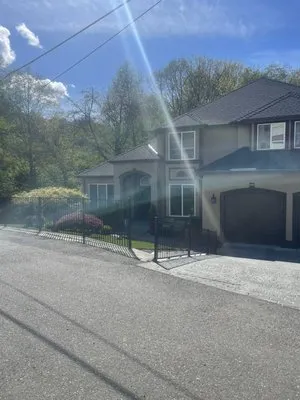
Three Brothers Landscaping is a Kent-based, family-owned company built on over a decade of hands-on experience. The decision to start our own business came from a shared passion for transforming outdo...
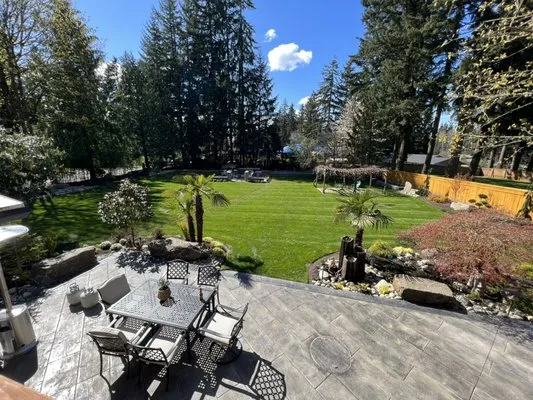
Cedar County Landscaping
Cedar County Landscaping has been a trusted name in Black Diamond since 1995. Founded by Jason Anderson, who started as a one-person operation, the company has grown into a dedicated team of trained a...
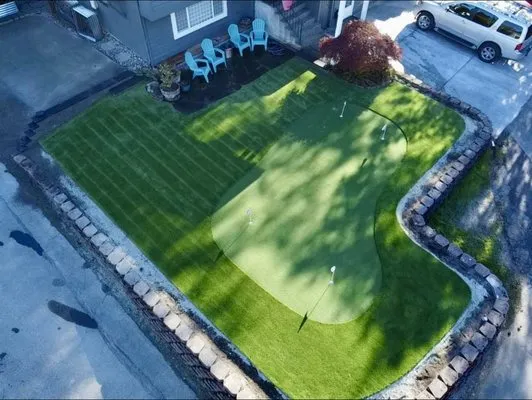
Duarte's Landscape Construction is a licensed and insured landscaping company serving Kent, WA, and surrounding areas. We focus on creating durable and attractive outdoor spaces through services like ...

Pacific Custom Pavers and Landscapes
Pacific Custom Pavers and Landscapes is a Seattle-based contractor specializing in creating durable and beautiful outdoor environments. Established in 2021, we focus on comprehensive landscape constru...
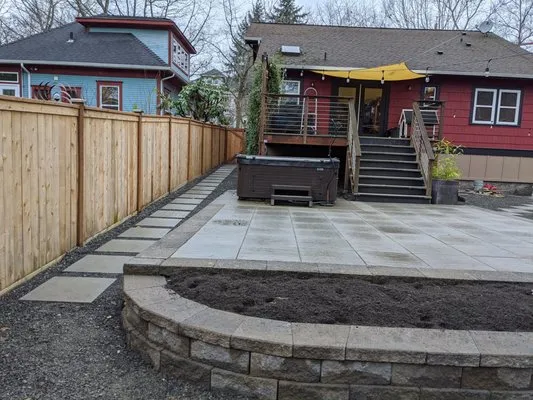
Rainier Rockeries
Rainier Rockeries is a Maple Valley, WA-based landscaping and hardscaping company specializing in transforming outdoor spaces. We provide comprehensive services from initial design to final constructi...
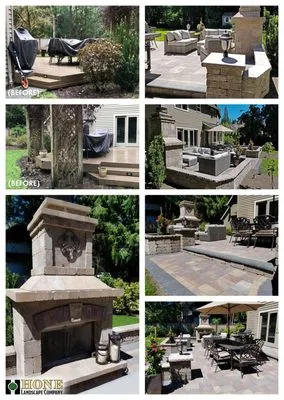
Hone Landscape Company is a Carnation-based landscaping business with deep roots in the local community. Owner Jason Hone began his journey in the industry at age 15, mowing lawns and maintaining yard...

Diversified Excavation Work Corp. is a licensed, bonded, and insured excavation and site development company serving Silverdale, WA, and the surrounding Kitsap County. We provide comprehensive service...
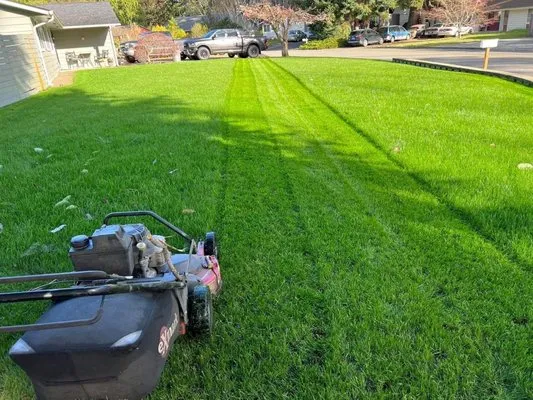
Green Ocean Landscaping is a full-service landscaping company serving Belfair, WA, and surrounding areas since 2013. We specialize in residential landscaping, offering a comprehensive range of service...
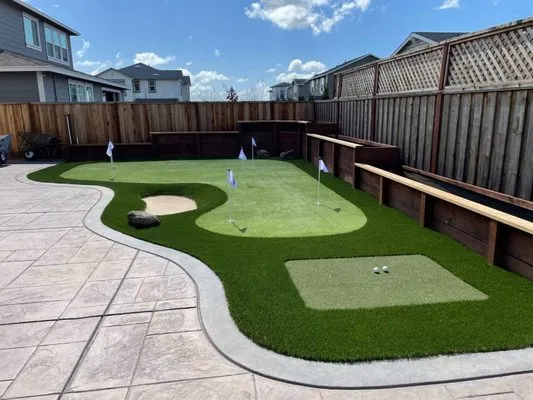
Evergreen Life Landscape Construction has been a trusted partner for Seattle homeowners, creating imaginative and versatile outdoor spaces that enhance both beauty and function. We specialize in trans...
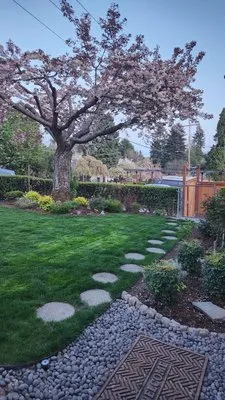
JDR Repair is a family-owned and operated landscaping company serving Burien, WA, and surrounding communities with over eight years of local experience. Our bilingual team specializes in comprehensive...
Estimated Landscaping Service Costs in Maple Valley, WA
FAQs
How quickly can you respond to storm damage for HOA compliance?
Emergency cleanup crews dispatch from Lake Wilderness Park via WA-169, arriving within 20-30 minutes during peak conditions. We prioritize fallen branches blocking driveways and hazardous debris near structures. Our equipment includes electric chainsaws meeting standard decibel limits, with chippers staged for immediate processing. Documentation for HOA compliance includes timestamped photos and debris volume estimates.
How do I control invasive weeds without phosphorus fertilizer?
Scotch broom and Himalayan blackberry invasions threaten native plant communities in Lake Wilderness. Manual removal before seed set combined with targeted glyphosate applications during dry periods avoids phosphorus ordinance violations. Soil testing confirms deficiency before any phosphorus use, which is restricted to new lawns only. Organic pre-emergents like corn gluten meal applied in March prevent annual weeds without nutrient runoff.
Why does my Maple Valley lawn struggle despite regular care?
Lake Wilderness properties built around 2001 have acidic gravelly sandy loam soil that has matured for 25 years. This soil type tends to compact, reducing permeability and oxygen availability to roots. Core aeration every 2-3 years combined with organic amendments like composted bark improves soil structure. The pH range of 5.5-6.0 requires occasional lime applications to optimize nutrient availability for perennial ryegrass and fine fescue.
Are permeable pavers better than wood decking?
Permeable basalt pavers offer 40+ year longevity versus wood's 15-20 year lifespan with maintenance. Their non-combustible nature supports Moderate Fire Wise Rating (WUI Zone 2) requirements by creating defensible space. Basalt's thermal mass moderates surface temperatures, and its permeability manages runoff without separate drainage systems. Installation over compacted gravel base prevents frost heave in Maple Valley's winter conditions.
What solves seasonal flooding in my yard?
Acidic gravelly sandy loam in Maple Valley creates perched water tables that require French drains or dry wells for subsurface management. Permeable basalt pavers installed with 3/8-inch joints filled with gravel meet Community Development Department runoff standards by allowing 5-10 inches per hour infiltration. Swales graded at 2% slope direct surface water away from foundations. These systems address high runoff while maintaining soil structure.
Can I maintain a healthy lawn under Stage 1 water restrictions?
Wi-Fi ET-based soil moisture sensing adjusts irrigation to actual evapotranspiration rates, reducing water use by 20-30% while preserving perennial ryegrass and fine fescue. These systems bypass watering during rainfall and target root zones precisely. Municipal water limits are respected by programming deeper, less frequent cycles that encourage drought tolerance. Soil moisture data syncs to cloud platforms for compliance reporting.
What permits and licenses are needed for landscape grading?
Grading on 0.35-acre lots requires a Maple Valley Community Development Department permit for any cut/fill over 2 feet or within 10 feet of property lines. Contractors must hold Washington State Department of Labor & Industries landscaping license with bonding for projects exceeding $1,000. Engineered drainage plans may be mandated for slopes over 15%. Unlicensed grading risks stop-work orders and fines up to $5,000 per violation.
Should I replace some lawn with native plants?
Transitioning 30-40% of turf to salal, red flowering currant, sword fern, western red cedar, and vine maple reduces mowing frequency and irrigation demand. Native plantings provide habitat connectivity while requiring no gas-powered blowers, aligning with future noise ordinance trends. Established natives survive on seasonal rainfall in USDA Zone 8b, with mulch applied in early April suppressing weeds and retaining moisture.
