Top Landscaping Services in Liberty Lake, WA, 99016 | Compare & Call
There are 138 landscaping companies server in Liberty Lake WA
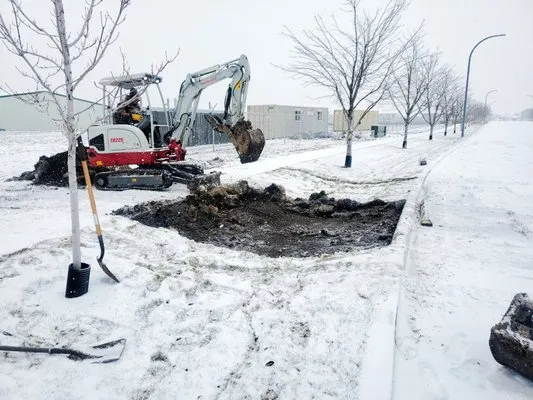
Twin Gardens L.L.C. is a veteran-owned landscaping and site development company serving Spokane, WA. We specialize in creating durable and beautiful outdoor spaces, from comprehensive landscape design...
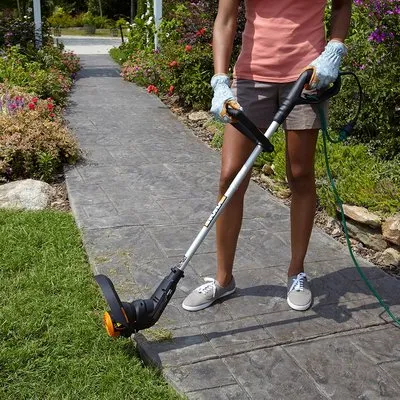
J&K Lawncare is a Spokane Valley-based lawn service provider dedicated to helping local homeowners maintain healthy, beautiful yards. We understand the common challenges in our area, such as standing ...
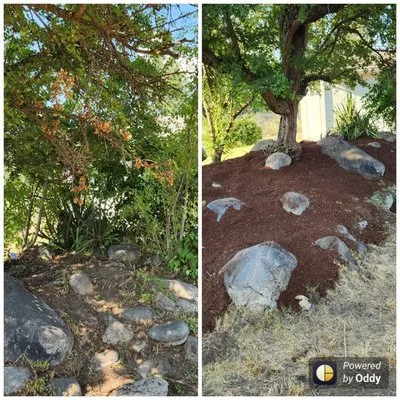
Earthworm Lawn Care is a full-service landscaping company serving Spokane, WA. We specialize in transforming yards with expert earthmoving, regrading, and landscape construction to solve common local ...
Spokane Landscape is a licensed and bonded general contractor serving Spokane, WA, with 18 years of experience in landscaping and irrigation. We specialize in comprehensive services including irrigati...
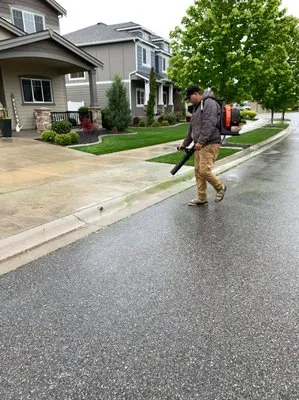
Spokane's Finest Lawns is a family-owned lawn care service established in 2016, serving the Spokane metropolitan area. Founded by owner Jose, the company specializes in comprehensive lawn care and lan...
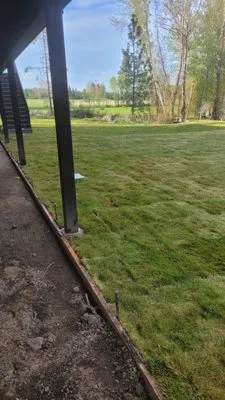
Justin's Nursery and Landscaping is a trusted, full-service landscaping company serving Spokane, WA, and the surrounding areas. With expertise in everything from earthmoving and hardscaping to irrigat...

Twenge Brothers Lawn Care is a locally owned and operated lawn service provider in Spokane, WA, with over three years of experience in the industry. Founded by the Twenge brothers, the business has bu...
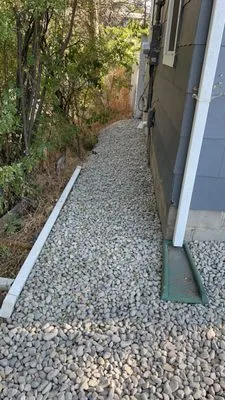
Guy's Landscape in Spokane, WA, is a locally owned and operated lawn care and landscaping business founded by Spokane native Gavin Hale. With over 13 years of hands-on landscape experience and 6 years...
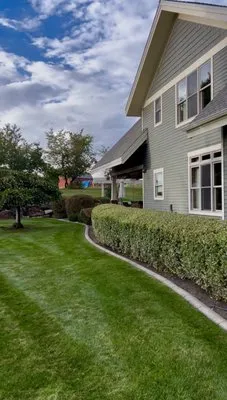
GrandSheer Landscape is a dedicated lawn and landscape provider serving Otis Orchards, Spokane Valley, and the greater Spokane area. We focus on creating and maintaining beautiful, functional outdoor ...
Liberty Services is a Liberty Lake landscaping company dedicated to solving common local yard challenges like standing water and bare lawn patches. We understand that the area's unique soil compositio...
Estimated Landscaping Service Costs in Liberty Lake, WA
Q&A
How do we keep our Kentucky Bluegrass lawn healthy during Stage 1 water conservation?
Maintaining turf under voluntary conservation mandates precision. Wi-Fi-enabled, ET-based smart irrigation controllers are the operational standard. These systems adjust watering schedules in real-time based on local evapotranspiration data, soil moisture sensors, and forecast integration. This technology applies water only when and where needed, preserving the Fine Fescue blend's health while reducing total consumption, keeping you well within municipal guidelines without sacrificing canopy density.
We want to reduce mowing, noise, and water use. What should we plant?
Transitioning to a climate-adapted landscape is a forward-thinking move. A palette of native and adapted species like Serviceberry, Mock Orange, Bluebunch Wheatgrass, and Blanketflower establishes deeply, requires minimal irrigation once established, and eliminates weekly mowing. This shift also pre-adapts your property to evolving noise ordinances that may further restrict gas-powered maintenance, allowing for quiet, electric tool care within the 7 AM to 9 PM window.
We see spotted knapweed and bindweed invading our beds. How do we treat them safely?
Spotted knapweed and field bindweed are aggressive invasive species here. Control requires a persistent, integrated approach. Manual removal for small infestations and targeted, systemic herbicide applications for larger areas are effective, but timing is critical to coincide with active growth phases. All treatments must use phosphorus-free formulations to comply with local fertilizer ordinances, and applications should avoid blackout dates to protect watershed health.
Do we need a permit to regrade our 0.22-acre lot, and what should we look for in a contractor?
Yes, significant grading on a 0.22-acre parcel typically requires a permit from the City of Liberty Lake Planning & Building Services to ensure compliance with drainage and erosion codes. The contractor must hold a current, active registration with the Washington State Department of Labor & Industries. This licensing is non-negotiable; it provides proof of bonding, insurance, and technical competency, protecting you from liability and substandard work that could destabilize your property.
We have a storm-damaged tree and an HOA compliance deadline. How quickly can a crew arrive?
An emergency crew can be dispatched from our staging area near Pavilion Park. The route utilizes I-90, providing direct arterial access to Liberty Lake Central. Accounting for standard traffic variables, a technician with the requisite arborist and cleanup equipment will arrive within the 20-30 minute window typical for peak storm response protocols. This ensures immediate site assessment and rapid mitigation of hazards.
Is a basalt flagstone patio better than a wood deck for our hillside property?
For durability and fire resilience, basalt flagstone is superior. Its mineral composition is non-combustible, contributing directly to your property's defensible space as outlined in the Moderate (WUI Zone 2) Fire Wise rating. Unlike wood, it requires no sealing, resists frost heave, and provides permanent, low-maintenance structure. When installed with a permeable base, it also manages the hillside runoff common in our silt loam soils more effectively than an impermeable deck surface.
Our yard has persistent soggy areas and runoff. What's the best long-term solution?
Silt loam soils in our area have moderate permeability, leading to seasonal saturation and runoff. The solution integrates subsurface and surface strategies. Installing a French drain system intercepts the high water table, while regrading with amended soil improves surface flow. For patios or walkways, specifying permeable pavers or open-joint basalt flagstone allows stormwater to infiltrate on-site, meeting City of Liberty Lake Planning & Building Services standards for managed runoff.
Our yard's soil seems compacted and tired. Is this typical for Liberty Lake Central?
Liberty Lake Central's residential soils, established around 2004, are approximately 22 years old. This age indicates a mature but often depleted profile. The prevalent silt loam has a favorable pH but suffers from low organic matter and compaction from routine maintenance. Core aeration combined with a top-dressing of compost is essential to rebuild soil structure, enhance permeability, and support the microbial life that defines a healthy landscape foundation.
