Top Landscaping Services in Lakeland South, WA, 98001 | Compare & Call
There are 204 landscaping companies server in Lakeland South WA
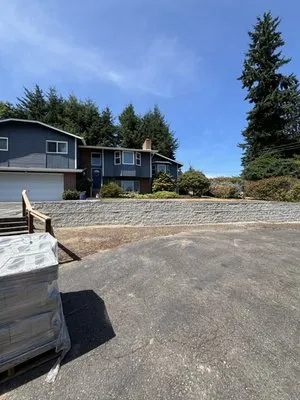
Hill Family Homes LLC is your local, family-run general contractor in Enumclaw, WA, proudly serving the King and Pierce County area. We focus on bringing your home vision to life, whether it's through...
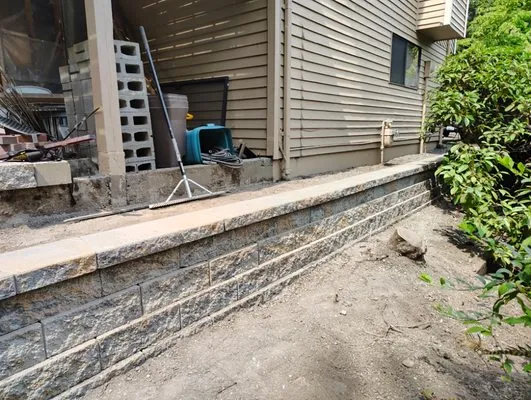
Treesus Landscape is the culmination of a lifelong passion for the outdoors and over a decade of hands-on expertise. Founded in Auburn by an industry veteran, this company is built on a deep-seated lo...
Ground Effects Landscape
Ground Effects Landscape has been a trusted Auburn, WA landscaping partner since 1998, specializing in custom design, installation, and maintenance for both residential and commercial properties. Our ...
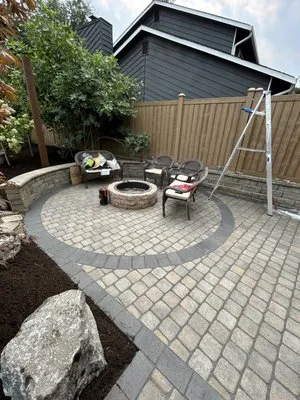
IMD Landscaping in Auburn, WA, is a trusted local landscaping company dedicated to solving the everyday outdoor challenges faced by homeowners. We specialize in addressing common local issues like spr...
ALG Landscaping is a trusted, licensed landscaping company serving Auburn, WA, and surrounding communities. We help you create and maintain a healthy, thriving outdoor space that enhances your propert...
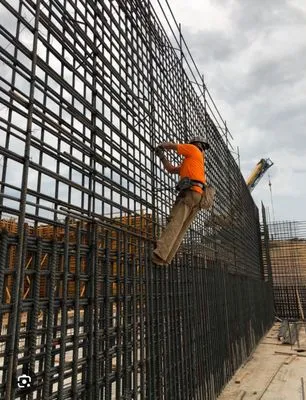
Palma Construction Services
Palma Construction Services is a reliable, family-owned and operated business serving Auburn and the surrounding areas. We provide a comprehensive range of home and property services, including profes...
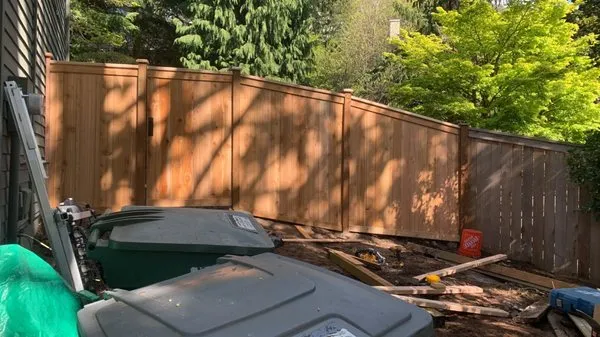
JTC Landscaping and Fencing is your trusted local partner in Auburn, WA, dedicated to creating and maintaining beautiful, healthy outdoor spaces. We understand the common challenges Auburn homeowners ...
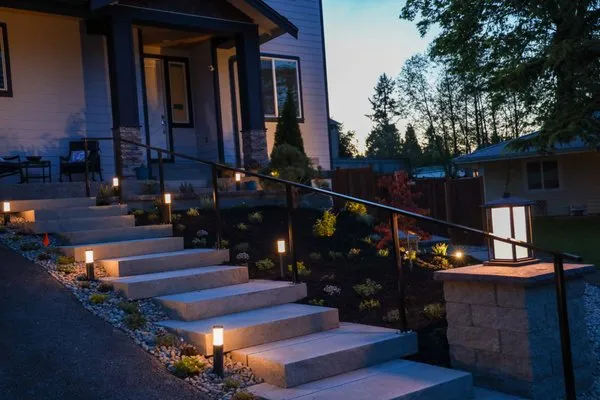
Angkorscape
Angkorscape is a custom outdoor living design and build firm based in Algona, WA, serving the greater Seattle area. We specialize in transforming outdoor spaces through comprehensive landscaping and h...
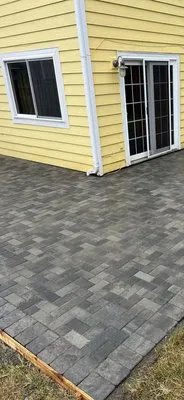
Alina's Construction is your Auburn-based specialist for lush, low-maintenance outdoor spaces. We understand that local lawns often struggle with fungus, poor sprinkler coverage, and high upkeep. That...
Pest Rangers LLC is a family-owned and operated business serving Auburn, WA, and the surrounding communities. We combine expertise in pest control with skilled landscaping and handyman services, offer...
Estimated Landscaping Service Costs in Lakeland South, WA
Frequently Asked Questions
How fast can a crew respond for an emergency storm cleanup to avoid HOA fines?
For urgent HOA compliance or safety issues, a dispatch from our base near Lakeland Hills Park allows for rapid access to SR 167. This routing typically enables a crew to reach most Lakeland South addresses within the 20-30 minute window during peak congestion. We prioritize these calls with equipment pre-loaded for debris management, ensuring immediate site assessment and work commencement upon arrival to mitigate violation risks.
My yard turns into a soggy mess every spring. What's a lasting solution for this wet soil?
High seasonal saturation is a hallmark of Lakeland South's poorly drained glacial till soils. Beyond regrading and installing French drains, replacing impervious surfaces with permeable concrete pavers is a highly effective strategy. These pavers allow stormwater to infiltrate directly into the subsoil, reducing surface runoff and pooling. This approach often meets or exceeds the City of Auburn's stormwater management standards for new hardscape, directly addressing the core drainage hazard.
What permits and credentials should I verify before hiring someone to regrade my 0.22-acre lot?
Any significant grading or earthwork on a 0.22-acre parcel typically requires a permit from the City of Auburn Planning & Development to ensure compliance with drainage and setback codes. Crucially, you must hire a contractor registered with the Washington State Department of Labor & Industries. This state licensing is mandatory for excavation work and provides you with critical protections like bond and insurance coverage, which are non-negotiable for managing the risk of property damage.
I see English Ivy and Himalayan Blackberry taking over. How do I remove them without breaking fertilizer rules?
Combating invasive species like English Ivy requires a mechanical and chemical strategy that respects the statewide phosphorus ban. Initial cutting and careful removal of root masses is essential. For follow-up treatment, targeted, systemic herbicides applied directly to cut stems are effective and do not typically contain restricted lawn fertilizers. Timing this work outside of peak growth periods avoids the appearance of a nutrient application, ensuring full compliance with local ordinances.
Are permeable pavers a better long-term choice than a wooden deck for my patio?
For longevity and fire resilience, permeable concrete pavers are superior to wood. They offer a 30+ year lifespan with minimal maintenance, unaffected by moisture and rot common in our wet winters. Furthermore, in this Moderate Fire Wise (WUI Zone 2) area, non-combustible pavers contribute to defensible space immediately adjacent to the home. Their permeability also manages onsite runoff, a functional advantage wood cannot provide.
With Stage 1 water conservation in effect, how do I keep my perennial ryegrass lawn healthy through summer?
Voluntary conservation in Stage 1 is best managed with Wi-Fi ET-based smart controllers. These systems use real-time weather data to apply water only when needed, matching evapotranspiration rates precisely. This technology can reduce water use by 20-30% while preserving the shallow root zone of your perennial ryegrass and fine fescue blend. Properly calibrated, it ensures irrigation occurs during optimal pre-dawn hours to minimize evaporation and stay well within municipal guidance.
Why does my lawn in Lakeland South struggle with compaction and poor color, even with fertilizer?
Homes built around 1986 on lots like yours in Lakeland South are now 40 years old, meaning the underlying acidic glacial till soil has had decades to settle and compact without significant organic amendment. This dense, poorly drained silt loam naturally has a pH of 5.5-6.2, which can lock up essential nutrients like phosphorus and reduce microbial activity. Core aeration paired with a top-dressing of compost is critical to improve soil structure, increase permeability, and slowly adjust pH for healthier turfgrass root systems.
I want to reduce mowing, noise, and water use. What should I plant instead of grass?
Transitioning to a landscape anchored by Pacific Northwest natives like Salal, Red Flowering Currant, Western Sword Fern, and Douglas Spirea is a forward-thinking solution. These plants are adapted to our acidic soil and seasonal drought, requiring minimal irrigation once established. This shift significantly reduces the need for weekly mowing and gas-powered equipment, aligning with tightening local noise ordinances and creating a resilient, low-input habitat that supports regional biodiversity.
