Top Landscaping Services in Lake Tapps, WA, 98092 | Compare & Call
There are 216 landscaping companies server in Lake Tapps WA
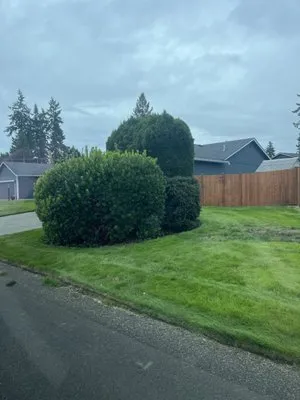
Alternative Landscaping is a dedicated lawn service provider rooted in Puyallup, WA. Our team brings several years of combined experience and ongoing education to every job, ensuring your lawn receive...
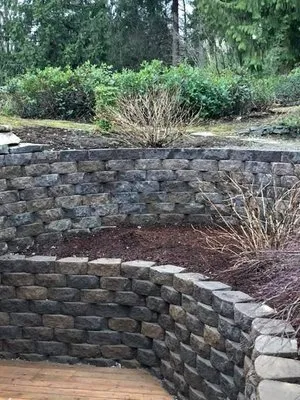
4LH Landscaping is a Buckley-based landscaping company founded by former professional hockey player Jamie Butt, who brings the same dedication and teamwork from his sports career to serving the local ...
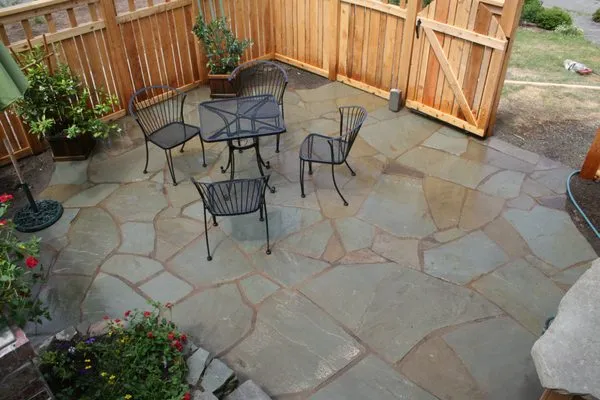
Adc Rock Walls And Landscaping is a trusted, locally-owned landscaping company serving Puyallup, WA, and the surrounding areas. They specialize in transforming outdoor spaces with durable, aesthetical...
Frost Landscape & Design is a trusted, family-owned and operated landscaping company proudly serving Orting and the surrounding communities for over 14 years. Founded on principles of honesty and inte...
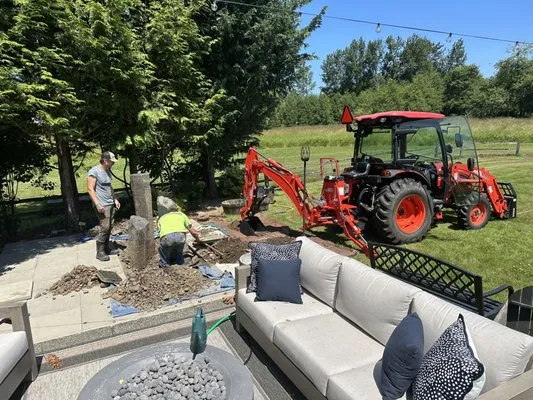
Since 1981, Morning Rain has been the trusted local resource for irrigation and landscaping in Bonney Lake and the surrounding Pierce and South King Counties. We specialize in designing and installing...
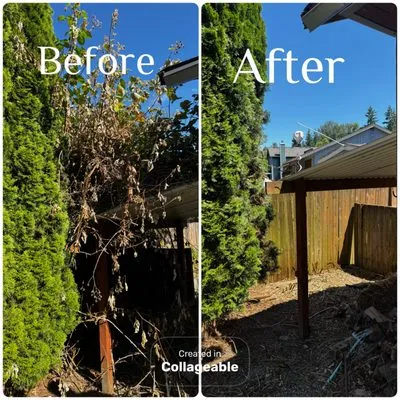
Twin Bladez is a trusted lawn service provider based in Bonney Lake, WA, dedicated to enhancing and maintaining the health and appearance of local properties. We specialize in comprehensive lawn care,...
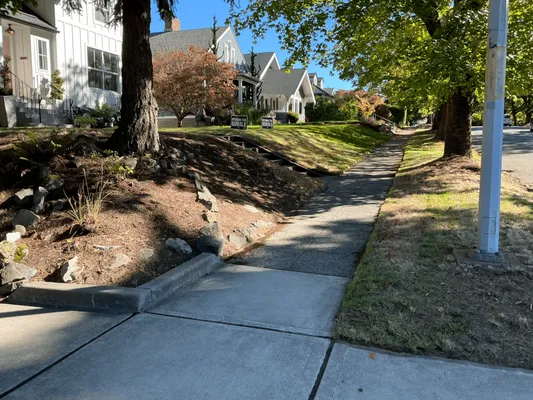
AL Landscaping is a locally owned and operated landscaping company serving Puyallup, South Hill, Tacoma, Sumner, and Bonney Lake. We are a fully licensed and insured team specializing in comprehensive...
Hydroseeding & Bark Blowers is a locally owned and operated landscaping business serving Orting, WA, and the Greater Puget Sound area. Specializing in hydroseeding, bark blowing, rock slinging, and er...
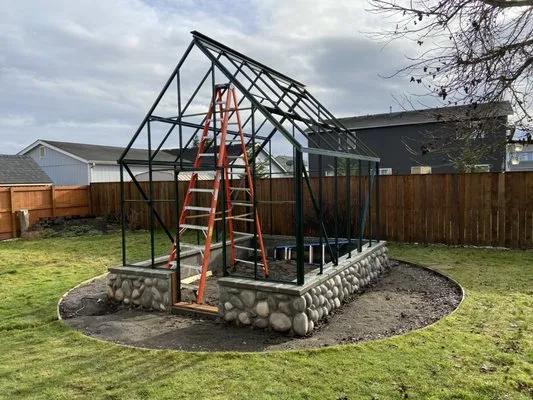
With roots in landscaping that go back to 1995, I learned the craft and commitment to quality firsthand. Today, as the owner of Prime Ground in Bonney Lake, I bring that foundation together with a cre...
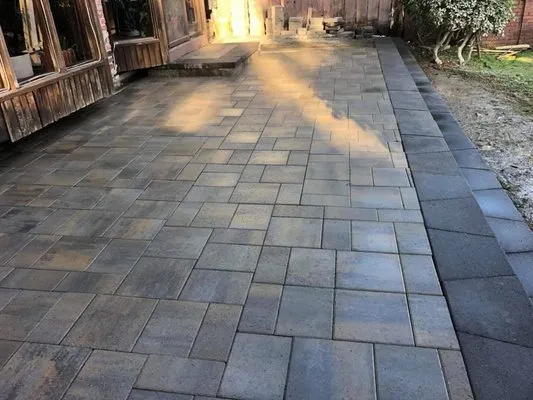
Archterra Landscape Services
Archterra Landscape Services has been a trusted name in Puyallup and Western Washington since 2005, helping homeowners create exceptional outdoor living spaces. We combine thoughtful design with solid...
Estimated Landscaping Service Costs in Lake Tapps, WA
Frequently Asked Questions
My lawn has always struggled here in North Lake Tapps. Is the soil just naturally bad?
The soil in this area is not bad, but it is a specific type: acidic glacial till with a pH of 5.5-6.2. Homes built around the late 1980s, like many here, have soil that is approximately 39 years old and remains highly compacted from original construction. This compaction, combined with natural acidity, severely limits root penetration and water percolation. Core aeration and incorporating compost are non-negotiable first steps to improve soil structure and biological activity for healthy turf or planting beds.
My yard turns into a soggy mess every spring. What's the best long-term solution for drainage here?
Seasonal saturation is a direct result of water pooling on compacted glacial till, which has very low permeability. The most effective solution integrates subsurface drainage, like French drains, with surface strategies. Replacing impervious surfaces with permeable concrete pavers is highly recommended, as they allow stormwater to infiltrate directly, reducing runoff and often helping meet City of Lake Tapps Community Development Department standards for on-site management.
We're adding a patio. Are permeable pavers really better than a traditional wood deck?
For longevity and site functionality, permeable concrete pavers are superior, especially in Lake Tapps. Unlike wood, which decays and requires sealing, pavers offer a permanent, low-maintenance surface with excellent drainage. They also contribute to your property's Fire Wise rating in WUI Zone 2 by creating a non-combustible defensible space adjacent to your home, an important consideration for wildfire mitigation in our moderate-risk area.
Do I need a permit to re-grade my yard or build a large retaining wall?
Yes, significant earthwork and structural walls almost always require a permit. For a 0.35-acre lot, the City of Lake Tapps Community Development Department reviews grading plans to ensure stability and proper stormwater management. Furthermore, any contractor performing this work must be registered with the Washington State Department of Labor & Industries. Hiring a licensed specialist is crucial, as improper grading can create drainage liabilities for you and downstream neighbors.
If a storm drops a tree on my property, how quickly can a crew get here for an emergency cleanup?
For an emergency cleanup impacting safety or access, we prioritize dispatch from our central staging near Allan Yorke Park. The route via WA-410 to North Lake Tapps allows for a target response window of 35 to 50 minutes during peak congestion. We maintain a dedicated storm-response fleet, including electric chippers and mini-loaders, which comply with the local noise ordinance for after-hours work when necessary to clear hazards.
With Stage 1 water restrictions, how do I keep my perennial ryegrass and Kentucky bluegrass lawn green all summer?
Effective irrigation under voluntary conservation relies on precision, not volume. A Wi-Fi ET-based system is essential; it automatically adjusts schedules using real-time evapotranspiration data from local weather stations. This technology applies water only when the turf actually needs it, preventing overwatering that exacerbates our common drainage issues. Deep, infrequent watering cycles encourage deeper root growth, making your lawn more drought-resilient within municipal guidelines.
I've noticed invasive blackberry and bindweed taking over. What's the safest way to get rid of them?
Combating invasive species like Himalayan blackberry requires a persistent, integrated approach. Manual removal of root crowns is critical, followed by smothering with heavy-duty landscape fabric. For persistent regrowth, targeted, foliar-applied herbicide in late summer can be effective. Any fertilizer used in rehabilitation must adhere to the local ordinance prohibiting phosphorus, unless a soil test confirms a deficiency, which is rare in our region.
I'm tired of weekly mowing and loud gas equipment. Are there lower-maintenance landscape options?
Absolutely. Transitioning areas to a climate-adaptive xeriscape using native plants like Salal, Red Flowering Currant, and Western Sword Fern dramatically reduces water, mowing, and chemical inputs. These plants are adapted to our acidic soil and seasonal dry period. Furthermore, maintaining these zones with battery-electric equipment aligns with evolving noise ordinances and prepares your property for broader restrictions on gas-powered blowers and mowers.
