Top Landscaping Services in Lake Holm, WA, 98092 | Compare & Call
There are 191 landscaping companies server in Lake Holm WA
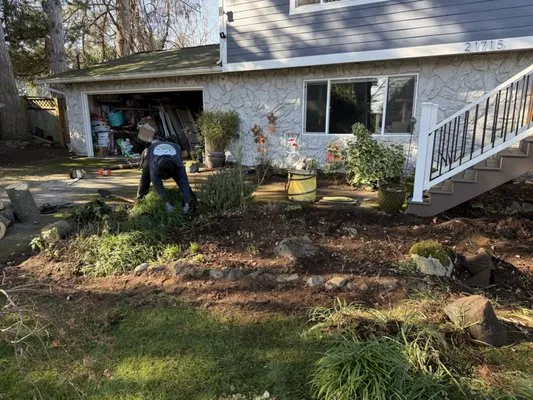
At Ameeri's Lawn Care in Kent, WA, we believe your yard should be a source of pride, not just another chore. Our approach goes beyond basic mowing to provide comprehensive, affordable lawn care tailor...
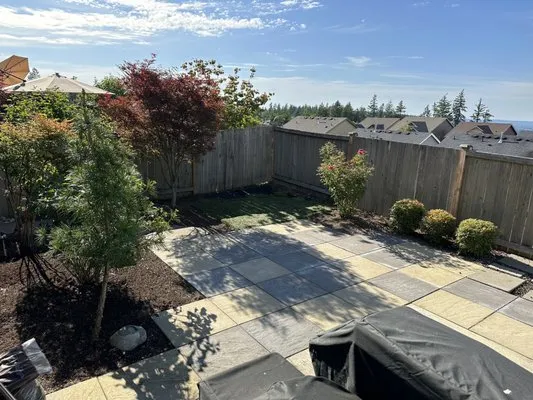
Since our founding in 2014, Oasis Landscaping & Drainage has built a reputation in Federal Way for reliable, customized property care. Our team of qualified experts specializes in both renovating esta...
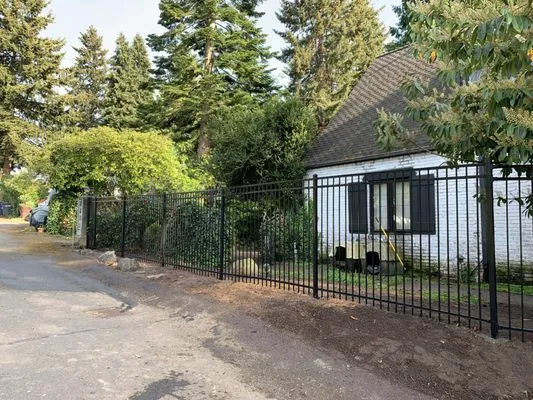
Verano Landscaping is a locally-owned and operated business serving Burien, WA, and the surrounding Seattle area with over 10 years of collective experience in the industry. We specialize in both fenc...
Vital Landscapes is a family-owned landscaping and renovation company serving Kent, WA, and the surrounding King County area. We specialize in creating durable, beautiful outdoor spaces through collab...
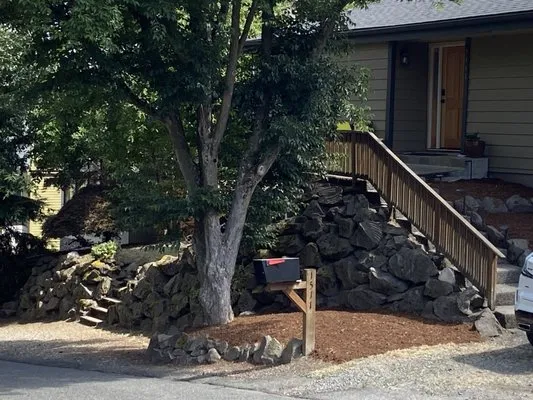
Rodriguez Professional Landscaping in Federal Way, WA, is a locally owned and operated business dedicated to transforming outdoor spaces with care and expertise. Founded by Dalia Rodriguez, the compan...
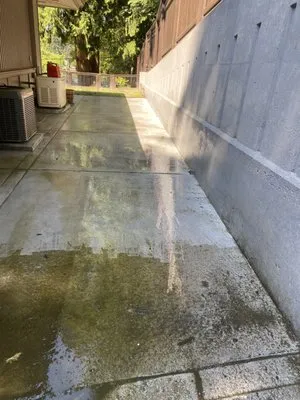
Founded by two brothers with a shared passion for enhancing homes and bringing smiles to the community, Stay Green Brothers brings over two years of hands-on experience in landscaping, concrete, and j...
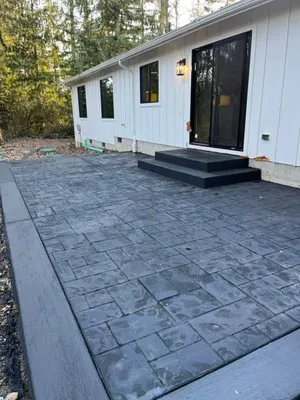
Supernatural Construction LLC serves the Federal Way community with durable, budget-friendly concrete and landscaping solutions. We approach every project with a focus on precision and reliability, wh...
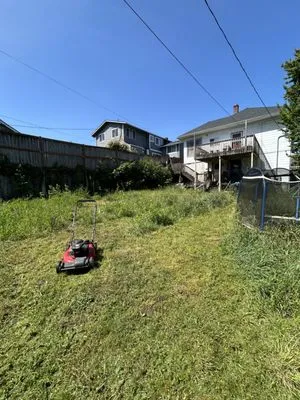
Cam Kutz is a trusted lawn care and pressure washing service based in Federal Way, WA, dedicated to helping homeowners achieve and maintain beautiful, healthy outdoor spaces. We specialize in addressi...
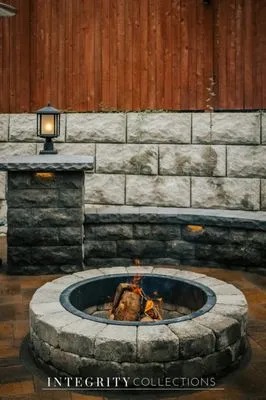
Integrity Outdoors is a trusted landscaping and hardscaping company serving Auburn, WA, and surrounding Pierce, King, and Snohomish Counties. With over 20 years of experience, we specialize in compreh...
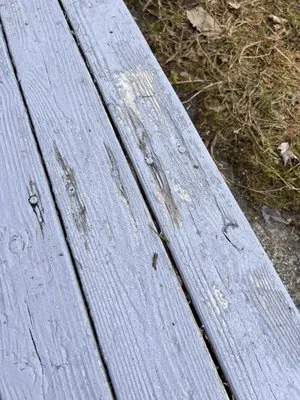
JMG Construction Services is a licensed construction company based in Auburn, WA, specializing in landscaping, painting, and fencing services. With years of experience in the remodeling and constructi...
Estimated Landscaping Service Costs in Lake Holm, WA
Questions and Answers
What permits and licenses are needed for significant landscape renovations?
Grading more than 50 cubic yards on a 0.55-acre lot requires King County Department of Local Services grading permits with engineered drainage plans. Contractors must hold Washington State Department of Labor & Industries landscaping specialty licenses for excavation work exceeding 12 inches depth. These regulations ensure proper soil management on sloping Lake Holm Estates properties and prevent sedimentation in the sensitive watershed. Unlicensed grading risks substantial fines and mandatory restoration orders.
What solutions prevent yard flooding from our high water table?
Seasonal saturation in acidic glacial till requires subsurface drainage systems with proper grading away from foundations. Precast concrete permeable pavers installed with open-graded aggregate bases increase infiltration rates by 80-90% compared to conventional surfaces. These installations meet King County Department of Local Services runoff standards while managing the 0.55-acre lot's hydrological load. French drains connected to dry wells provide additional capacity during peak saturation periods.
Why does my Lake Holm Estates lawn struggle despite regular care?
Lake Holm Estates properties average 44 years of soil development since 1982 construction. Acidic glacial till with pH 5.5-6.2 naturally compacts over decades, reducing oxygen availability to roots. This soil type requires annual core aeration to improve permeability and organic amendments like composted bark to buffer acidity. Without these interventions, even established turfgrass develops shallow root systems vulnerable to seasonal saturation.
How should I manage invasive species without chemical runoff concerns?
Scotch broom and Himalayan blackberry present the highest invasion risks in Lake Holm's disturbed soils. Manual removal during dry periods prevents soil disturbance that spreads rhizomes. For persistent infestations, targeted cut-stump applications using phosphorus-free herbicides comply with RCW 15.54.500 requirements. Time treatments outside of seasonal blackout dates to protect nearby wetlands from accidental runoff into the high water table environment.
Can I maintain healthy turf while following Stage 1 water conservation measures?
Smart Wi-Fi soil moisture sensor systems optimize irrigation by tracking evapotranspiration rates and soil saturation levels. These systems deliver precise water volumes only when perennial ryegrass and fine fescue mixes show physiological stress indicators. Programming follows municipal water limits while preventing drought-induced dormancy. This technology typically reduces consumption 25-40% compared to traditional timer-based irrigation.
How quickly can you address storm damage to meet HOA compliance deadlines?
Emergency cleanup crews dispatch from Lake Holm Park via WA-18 within 45-60 minutes during peak response scenarios. This routing prioritizes arterial access while accounting for neighborhood traffic patterns. Our electric maintenance fleet operates within restricted hours (7am-9pm weekdays, 9am-7pm weekends) to comply with noise ordinances while providing rapid debris removal and hazard mitigation services.
Do permeable pavers provide better value than wood decking long-term?
Precast concrete permeable pavers offer 40+ year lifespans with minimal maintenance, compared to wood's 15-20 year replacement cycle in our moist climate. Their non-combustible nature supports Moderate Fire Wise ratings by creating defensible space in WUI Interface Zones. The interlocking system accommodates freeze-thaw cycles without cracking, while the permeable design manages the site's seasonal saturation. Initial costs are higher but lifecycle costs are 30-40% lower than premium wood alternatives.
Are there lower-maintenance alternatives to traditional lawn areas?
Transitioning high-maintenance turf to native plantings like salal, red flowering currant, western sword fern, and Pacific madrone reduces water needs by 70-80%. These species thrive in USDA Zone 8b without supplemental irrigation once established. This approach minimizes gas-powered maintenance ahead of evolving noise ordinance restrictions while supporting 2026 biodiversity standards. Native plant communities also provide better habitat value than monoculture turfgrass.
