Top Landscaping Services in Lake Forest Park, WA, 98155 | Compare & Call

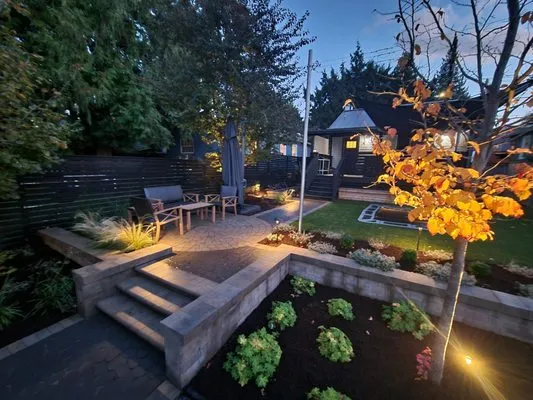
Verde Gardens
Verde Gardens is a locally owned landscape design company founded in 2002 by owner Michelle LeMoine, serving Seattle, King County, and Snohomish County. With over 20 years of experience, Michelle spec...
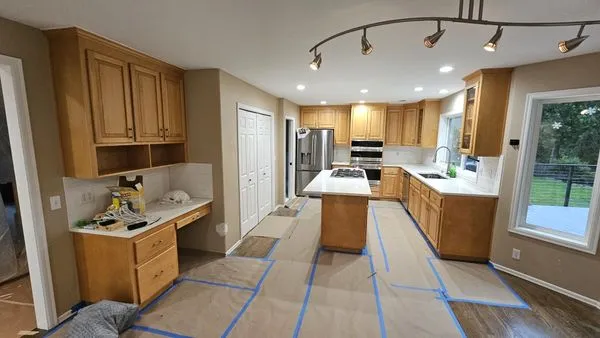
PRORAB Construction & Remodeling
PRORAB Construction & Remodeling is a licensed, insured, and bonded general contractor serving Lake Forest Park and the greater Seattle area. As a team of dedicated professionals, we take pride in con...
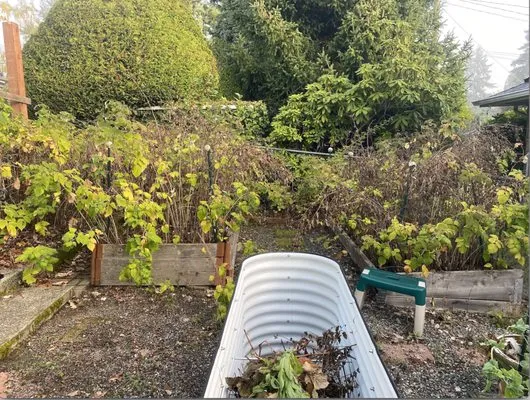
Since 1995, Garden Of Weedin' has been a trusted, organic gardening service in Lake Forest Park, WA. Founded by Nancy and now owned by Harley, the business has grown steadily by hiring skilled, passio...

Grew Up Green is a Lake Forest Park landscaping company founded by Heather and Amanda, who combine their unique backgrounds to create sustainable outdoor spaces. Heather studied Human Physiology at th...
Man and a Mower is a trusted local lawn care provider serving Lake Forest Park, WA. We specialize in comprehensive lawn maintenance, including mowing, trimming, and seasonal clean-ups, to keep your ya...
Q&A
What permits and licenses are needed for grading my 0.32-acre lot?
Grading exceeding 50 cubic yards on a 0.32-acre Sheridan Beach property requires a Lake Forest Park Planning & Building Department permit with engineered drainage plans. Washington State Department of Labor & Industries licensing mandates contractors carry specialty excavation endorsements for earthmoving equipment operation. These regulations ensure proper erosion control during seasonal saturation periods and prevent downstream sedimentation. Professional licensing verifies competency in soil stability assessment, particularly important in areas with glacial till's variable compaction and permeability characteristics.
Why does my Sheridan Beach lawn struggle despite regular feeding?
Lake Forest Park's acidic glacial till soil (pH 5.5-6.2) has matured for 58 years since typical 1968 construction, developing compaction from decades of foot traffic and equipment. This soil profile restricts root penetration and water movement, particularly problematic in Sheridan Beach's established neighborhoods. Core aeration every 1-2 years combined with organic amendments like composted bark improves soil structure and nutrient availability. The glacial till composition benefits from increased organic matter to enhance microbial activity and cation exchange capacity.
What solutions prevent seasonal ponding in clay-heavy subsoil?
High seasonal saturation in Lake Forest Park's glacial till requires subsurface drainage systems combined with surface permeability enhancements. Installing French drains with proper grade (1% minimum slope) redirects groundwater away from structures. Permeable concrete pavers meet Lake Forest Park Planning & Building Department runoff standards by allowing 4-8 inches per hour infiltration. These systems work synergistically with soil amendments to improve clay-heavy subsoil permeability over time, reducing hydrostatic pressure on foundations.
How quickly can you address storm damage before HOA compliance deadlines?
Emergency cleanup crews dispatch from Lake Forest Park Town Center via SR-522, reaching Sheridan Beach properties within 20-35 minutes during peak response scenarios. Our electric equipment fleet operates within noise ordinance restrictions (7pm-7am weekdays, 9am-6pm weekends) for immediate debris removal. We prioritize safety assessments of compromised trees and structures before clearing operations. This routing minimizes disruption while ensuring compliance with neighborhood aesthetic standards following wind or saturation events.
How can I reduce maintenance while supporting local ecology?
Transitioning high-maintenance turf areas to native plantings like sword fern, salal, and red flowering currant creates resilient landscapes requiring minimal inputs. These species thrive in USDA Zone 8b's acidic soils without supplemental fertilization. Electric maintenance equipment operates quietly within noise ordinance windows while eliminating emissions. Native plant communities support pollinators and soil mycorrhizae networks, creating self-sustaining ecosystems that outperform conventional lawns in both ecological function and long-term cost.
Can I maintain healthy turf under Stage 1 water restrictions?
Wi-Fi ET-based weather sensing controllers optimize irrigation by calculating actual evapotranspiration rates for your perennial ryegrass and fine fescue blends. These systems reduce water use 20-40% compared to traditional timers while maintaining turf health during voluntary conservation periods. Programming adjusts automatically for soil moisture retention in acidic glacial till, preventing both drought stress and saturation. This technology meets municipal water limits while preserving root zone integrity through precise application timing.
What invasive species threaten my landscape and how do I manage them?
English ivy, Himalayan blackberry, and Scotch broom pose significant threats in Lake Forest Park's moderate WUI interface zone. Manual removal during dry periods prevents soil disturbance that encourages reseeding. Spot treatments with glyphosate alternatives avoid phosphorus runoff concerns under local fertilizer ordinances. Timing interventions before seed set (typically May-June) maximizes effectiveness while respecting blackout dates. Regular monitoring prevents establishment of these fire-prone species that compromise native plant communities and soil stability.
Are permeable pavers better than wood for patio longevity?
Permeable concrete pavers offer 25+ year lifespans versus wood's 10-15 years in our damp climate, with minimal maintenance requirements. Their permeability (typically 4-8 inches/hour) reduces runoff volume by 50-90% compared to impervious surfaces. For moderate fire-wise rated zones, pavers create defensible space without combustible materials near structures. The interlocking design accommodates freeze-thaw cycles better than poured concrete, while allowing vegetation between joints for additional stormwater management and heat island reduction.
