Top Landscaping Services in Kirkland, WA, 98011 | Compare & Call

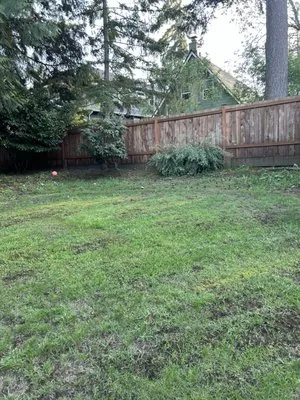
Green Gardens Services is a licensed landscaping provider with over a decade of experience serving Kirkland, WA. As a family-owned business, we build lasting relationships by providing customized lawn...
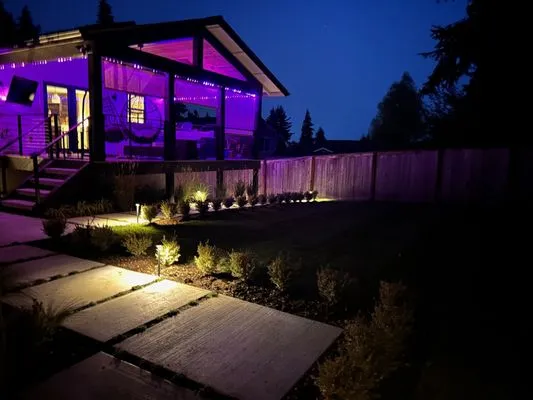
GoGreen Landscaping is a family-owned, full-service company serving Kirkland and King County since 2007. Founded by Jesus, who brings over two decades of industry experience, we build on principles of...
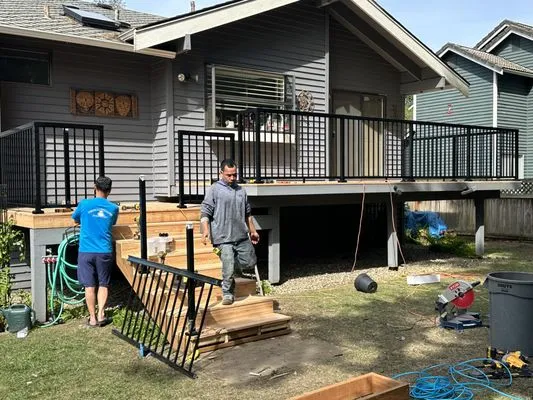
Doan's Gardener And Landscape is a Kirkland-based landscaping and hardscaping company with deep roots in the Pacific Northwest, serving the community since 1996. As a fully licensed, bonded, and insur...
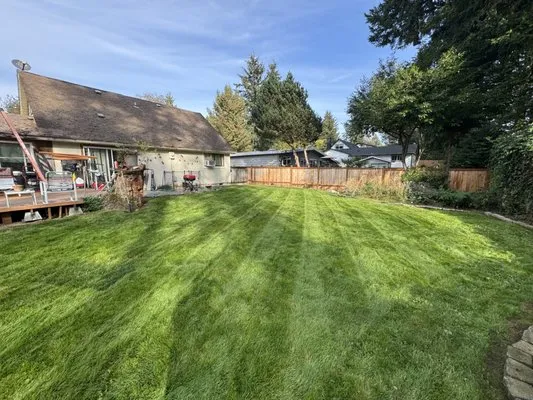
Loyalty Lawn Leaf in Kirkland, WA, began with a simple idea: to reduce the workload for landscapers and simplify typical lawn maintenance. Over time, we've expanded our services to include general lan...
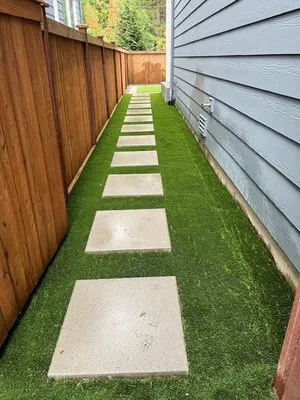
EcoBloss Home in Kirkland, WA, is your local expert for maintaining and enhancing your property's exterior. Led by manager Geraldo, we bring a passion for transforming outdoor spaces into beautiful, f...
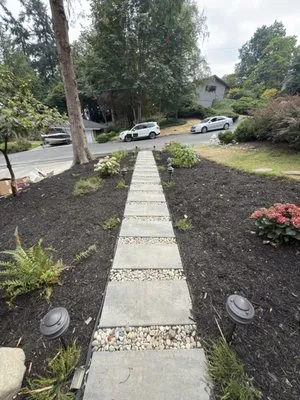
Evergreen Garden Solutions is a locally-owned landscaping company serving Kirkland, WA, and surrounding areas. We specialize in comprehensive outdoor solutions for both residential and commercial prop...
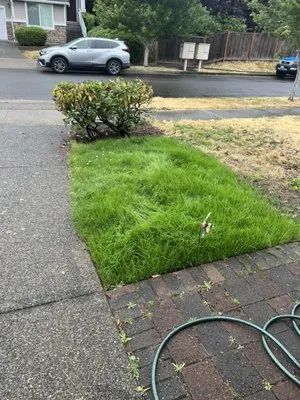
Fresh Cuts Landscaping is a Kirkland-based landscaping company serving the local community with comprehensive outdoor solutions. We specialize in landscape construction, design, and maintenance, inclu...
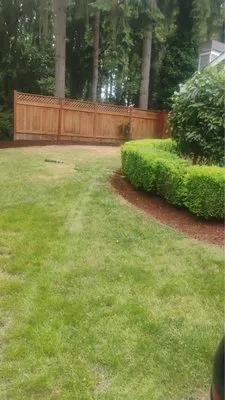
Sergio Landscaping Service transforms Kirkland's outdoor spaces with detailed, dedicated care. We focus on creating beautiful, healthy, and welcoming gardens and yards through personalized attention. ...
Marden Landscaping & Exterior Solutions
Marden Landscaping & Exterior Solutions is a Kirkland-based, family-owned company founded in 2021 on a simple principle: treating every yard with the same care as our own. Named to honor a founder's f...
Noah Landscaping Construction has been serving Kirkland, WA for over 15 years, building a reputation for reliable, client-focused work in landscaping, masonry, and irrigation. We specialize in transfo...
Common Questions
What are my options for reducing maintenance while creating a more ecologically balanced landscape?
Replacing high-input turf with native plantings like salal, sword fern, Oregon grape, red flowering currant, and Pacific madrone significantly reduces water, fertilizer, and maintenance requirements. These species have evolved for USDA Zone 8b conditions and acidic soils, requiring no supplemental phosphorus under Washington's ban. Transitioning to electric equipment ahead of noise ordinance changes eliminates gas blower emissions while providing quieter operation. This approach creates habitat corridors that support local pollinators and bird populations through all seasons.
How can I maintain my perennial ryegrass and fine fescue lawn during Stage 1 water restrictions without letting it go dormant?
Smart Wi-Fi ET-based controllers with soil moisture sensors optimize watering by matching evapotranspiration rates to actual plant needs. These systems automatically reduce irrigation during cooler periods and increase frequency during heat spikes while staying within municipal conservation guidelines. By monitoring soil moisture at root depth, they prevent overwatering that leads to fungal issues in Kirkland's poorly drained soils. This technology typically reduces water use by 30-40% while maintaining turf health through the dry summer months.
How should I address invasive species like English ivy or Himalayan blackberry without using restricted fertilizers?
Manual removal during dormancy followed by native replacement planting offers the most sustainable control method. For persistent woody invasives, targeted cut-stump applications with glyphosate in late fall minimize drift and comply with Washington's phosphorus ban timing restrictions. Always check Kirkland's invasive species alert lists before treatment, as some chemicals face additional municipal limitations. Post-removal, amending soil with mycorrhizae-rich compost helps native plants establish competitive root systems against potential regrowth.
What's the most effective solution for seasonal saturation and standing water in my yard's clay lenses?
Kirkland's glacial till contains impermeable clay lenses that create perched water tables during wet seasons. Installing French drains with clean crushed basalt aggregate provides subsurface drainage channels, while permeable concrete pavers on surfaces allow stormwater infiltration rather than runoff. These systems must meet Kirkland Planning and Building Department standards for stormwater management, particularly on 0.19-acre lots where every square foot of impervious surface contributes to drainage issues. Proper grading away from foundations completes an integrated water management approach.
Are permeable pavers really better than traditional wood decking for durability and fire safety in our area?
Permeable concrete pavers and crushed basalt surfaces outperform wood in Kirkland's wet climate, resisting rot, insect damage, and seasonal freeze-thaw cycles. Their non-combustible nature contributes to defensible space requirements in Moderate Fire Wise zones, particularly important near wildland-urban interfaces. Unlike wood that requires annual sealing, these materials maintain drainage capacity for decades with minimal maintenance. The thermal mass of concrete and basalt also moderates temperature extremes in adjacent planting beds.
Why does my Moss Bay yard have such compacted, acidic soil that struggles to support healthy plants?
Kirkland's Moss Bay neighborhood sits on glacial till deposits with naturally acidic pH levels of 5.5-6.5. Properties built around the 1983 average have experienced 43 years of soil compaction from foot traffic and equipment, reducing pore space for root growth and water infiltration. This acidic glacial till requires annual core aeration to relieve compaction and organic amendments like composted leaves to buffer pH. Without these interventions, water tends to pool on the surface rather than percolate through the soil profile.
How quickly can you respond to an emergency tree limb cleanup after a windstorm to meet HOA compliance deadlines?
Our electric maintenance fleet can dispatch from Marina Park within 15 minutes, using I-405 access to reach Moss Bay neighborhoods in 20-30 minutes during peak conditions. This rapid response time accommodates Kirkland's strict noise ordinances with low-decibel equipment while addressing immediate safety hazards. We prioritize clearing driveways and sidewalks first to restore accessibility, then systematically remove debris to prevent secondary damage during subsequent weather events.
What licensing and permits are required for regrading my property to improve drainage?
Any significant grading on a 0.19-acre Kirkland lot requires a permit from the Planning and Building Department, with engineered plans showing cut/fill calculations and stormwater management. Contractors must hold Washington State Department of Labor & Industries registration with specific endorsements for excavation work. Unlicensed grading can trigger substantial fines and mandatory restoration orders, particularly when altering natural drainage patterns that affect neighboring properties. Always verify current bond and insurance requirements, as these change with municipal code updates.
