Top Landscaping Services in Kelso, WA, 98626 | Compare & Call
There are 88 landscaping companies server in Kelso WA
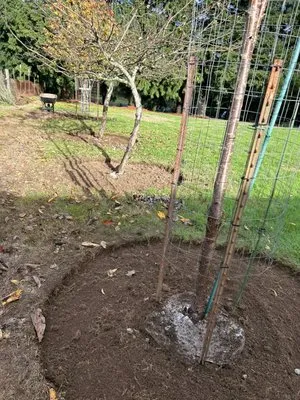
Luna's Landscaping is a trusted, full-service landscaping company proudly serving Toledo, WA, and the surrounding Lewis County area. We specialize in solving the common local challenges of tree root l...
Newingham Tree Service & Stump Grinding is a trusted, local Kelso company dedicated to maintaining the health and beauty of your property. We understand the common local challenges of soil compaction ...

Mark Leister Service is a trusted general contractor and excavation company serving the Castle Rock, WA community. We specialize in addressing the common local landscaping challenges, such as poor law...

Edify Strong Solutions is a trusted general contractor in Vancouver, WA, specializing in comprehensive construction, masonry, and landscaping services. We understand that local homeowners often face c...
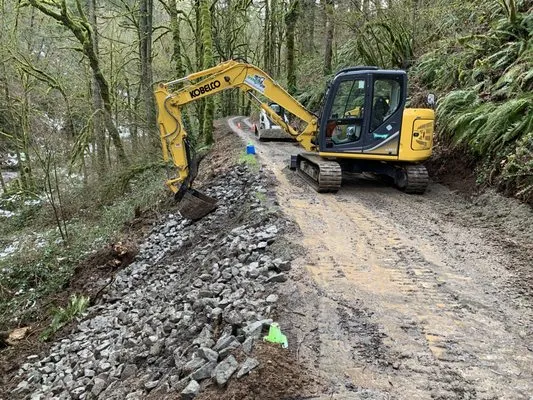
GreenStar GroundWorks
GreenStar GroundWorks is a Vancouver, WA-based excavation and earthworks company founded on a passion for heavy equipment and honest quality. With over 15 years of experience, owner-operator expertise...
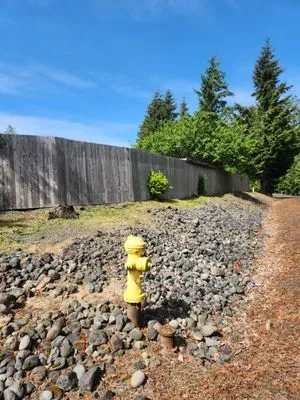
Silverlake Landscaping is a full-service landscaping company serving Silver Lake, WA, and the surrounding areas. We specialize in landscaping, tree services, and junk removal, offering comprehensive s...
Hanley Lawn Care is a dedicated local provider serving Kelso, WA, and the surrounding area. We specialize in revitalizing and maintaining residential lawns, with a particular focus on common local cha...
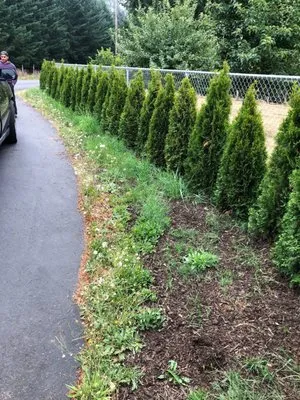
Gonzalez Landscaping is a trusted, locally-owned landscaping company serving Longview, WA, and the surrounding areas. We specialize in both landscaping and tree services, providing expert care for you...
Estimated Landscaping Service Costs in Kelso, WA
Questions and Answers
A major storm just knocked a large limb into our yard. How quickly can a crew arrive for emergency cleanup?
For an emergency cleanup in Highland Park, a dispatched crew can typically arrive within 20-30 minutes during peak response times. Our routing from a central hub like Tam O'Shanter Park uses I-5 for direct access to your neighborhood. We prioritize safety hazards and coordinate under Kelso's noise ordinance, ensuring all work complies with restricted hours if the response extends into early morning or late evening.
We're replacing a wooden deck. Are permeable pavers a better long-term choice for our area?
For longevity and fire resilience, permeable concrete pavers or basalt are superior to wood. They resist rot, decay, and insect damage inherent in our damp climate. In Kelso's Moderate Wildland-Urban Interface rating, these non-combustible materials also contribute to defensible space around your home. Their permeability addresses drainage concerns, and their durability ensures a stable surface for decades with minimal maintenance compared to wood's need for regular sealing or replacement.
I've spotted invasive English Ivy and Himalayan Blackberry. How do I remove them without harming my soil?
Manual removal is most effective for initial control; dig out the root crowns of blackberries and fully detach ivy from structures. For follow-up, targeted spot-treatment with an appropriate herbicide may be necessary, but timing is critical to comply with Washington's Phosphorus Application Restrictions. Avoid any fertilizer blends containing phosphorus, and never apply near waterways. Consistent monitoring and planting vigorous natives like Oregon grape can help outcompete returning invaders.
We want a green lawn but are worried about water waste. What's the most efficient way to water in Kelso?
The most efficient method is a smart, ET-based irrigation system. These Wi-Fi controllers use local weather data to apply water only when your perennial ryegrass and fine fescue need it, matching evapotranspiration rates. This technology is crucial for conservation, especially as it allows you to maintain turf health proactively during Stage 0 water restrictions. Properly programmed, it prevents overwatering, which is a primary cause of fungal disease in our cool, wet springs.
Our backyard stays soggy for months. What solutions work with Kelso's soil and regulations?
Persistent saturation is common due to the clay subsoil beneath our acidic silt loam. Effective solutions include installing French drains or dry creek beds to redirect water. For any new patios or walkways, using permeable concrete pavers or local basalt set in gravel will increase ground absorption and help meet the Kelso Community Development Department's standards for managing stormwater runoff on-site, alleviating the burden on municipal systems.
We want to regrade part of our yard. What permits or contractor qualifications should we look for?
Regrading a 0.22-acre lot often requires a permit from the Kelso Community Development Department, especially if it alters water flow or involves significant cut and fill. It is imperative to hire a contractor licensed by the Washington State Department of Labor & Industries. This licensing ensures they carry proper insurance and bonding, protecting you from liability. For projects near property lines or that could impact drainage, a site plan review by the city may also be necessary.
Our yard in Highland Park seems to get compacted every year, and grass struggles. Could this be related to the age of our neighborhood?
Yes, soil maturity is a key factor. With an average house age of 1962, your 64-year-old landscape soil has had decades to settle. The native acidic silt loam common here naturally compacts over time, reducing pore space for air and water. This is compounded by the poorly drained clay subsoils beneath, creating a dense layer that restricts root growth. Core aeration and adding organic compost are essential to rebuild soil structure and improve permeability for healthier turf and plants.
I'm tired of weekly mowing and loud gas equipment. Are there lower-maintenance, quieter options?
Absolutely. Transitioning high-maintenance turf areas to a landscape of native plants like salal, sword fern, and red-flowering currant significantly reduces mowing and watering needs. This xeriscaping approach creates a resilient, biodiverse habitat. It also future-proofs your property against evolving noise ordinances that increasingly restrict gas-powered blowers and mowers, aligning with the shift toward quieter, electric maintenance fleets.
