Top Landscaping Services in Kayak Point, WA, 98292 | Compare & Call
There are 189 landscaping companies server in Kayak Point WA
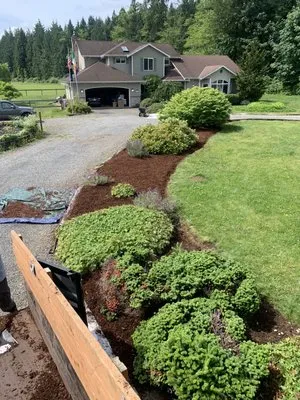
713 Landscape is an Arlington, WA-based design and build firm specializing in landscaping and masonry. We serve local homeowners by tackling common regional challenges like landscape edging damage and...
Progressive Landscape Services is a trusted, local landscaping provider serving the Tulalip community. We specialize in diagnosing and solving the common, frustrating issues homeowners face, such as c...
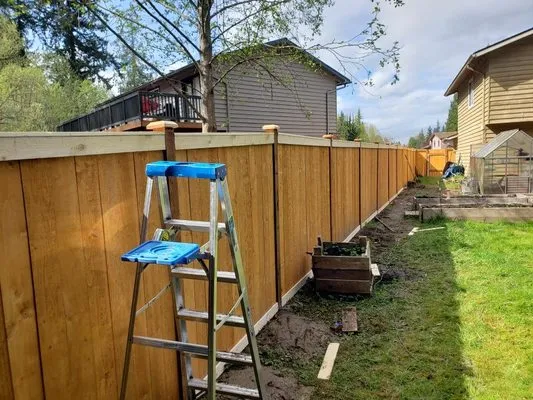
Cedano Landscape brings over three decades of hands-on experience to every project in Marysville, WA. We specialize in creating and maintaining functional, beautiful outdoor spaces, focusing on practi...
Tharp & Sons is a trusted Marysville, WA, contractor specializing in landscaping, fences & gates, and decks & railing. We help homeowners tackle common local challenges like weed infestations and bare...
Ordonia Construction is a trusted Marysville-based contractor serving both commercial and residential clients in Snohomish County. We specialize in a comprehensive suite of services, including expert ...
Tsoodle's Yard Work is a trusted lawn care provider serving Marysville, WA, with specialized expertise in addressing common local landscaping challenges like dying shrubs and persistent weed infestati...
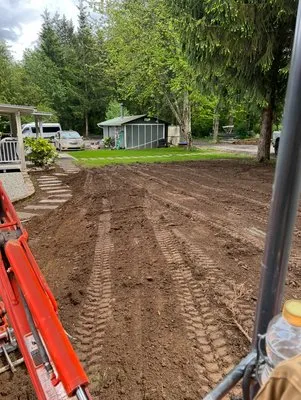
Green Scapes is a local, family-operated service provider based in Tulalip Bay, WA. We focus on practical property enhancement through reliable lawn care and thorough cleaning services. Understanding ...

Dayeni Construction is a trusted Marysville, WA, contractor specializing in landscaping solutions for local homeowners. We understand the common local challenges of persistent weed infestation and com...
Tuxedo Turf & Tree is a Seattle-based landscaping company dedicated to helping local homeowners tackle common property challenges. We understand that Seattle's unique climate and soil conditions can l...
Estimated Landscaping Service Costs in Kayak Point, WA
Question Answers
How can I reduce maintenance while supporting local ecology?
Replacing high-water turf areas with Pacific Northwest natives like salal, sword fern, Pacific rhododendron, and red-flowering currant creates resilient, low-input landscapes. These plants thrive in acidic glacial soils without supplemental fertilization, aligning with Washington's phosphorus ban. Transitioning to electric maintenance equipment ahead of tightening noise ordinances reduces operational carbon footprint. Native plantings support pollinators and wildlife while requiring minimal irrigation once established, creating self-sustaining ecosystems that outperform traditional lawns.
What solutions address persistent wet areas in my yard?
Poorly drained silt loam in Kayak Point creates seasonal saturation issues requiring engineered drainage solutions. French drains with clean gravel and perforated pipe redirect subsurface water, while permeable crushed basalt and concrete pavers increase surface infiltration rates. These systems must meet Snohomish County Planning and Development Services runoff standards, typically requiring 1% minimum slope and appropriate aggregate bases. Combining subsurface drainage with permeable hardscapes manages both surface pooling and groundwater movement in glacial till soils.
What permits and licenses are needed for grading my half-acre property?
Grading on 0.50-acre lots in Snohomish County requires permits from Planning and Development Services for any cut/fill exceeding 50 cubic yards or affecting critical areas. Contractors must hold Washington State Department of Labor & Industries landscaping contractor licenses with appropriate bonding. The glacial till soil's stability concerns may trigger geotechnical review, particularly near slopes or drainage pathways. Licensed professionals understand local amendments to the State Environmental Policy Act that apply to Kayak Point's sensitive shoreline proximity. Unpermitted grading risks significant fines and restoration requirements.
Why does my soil seem compacted and acidic despite regular care?
Kayak Point Residential lots built around 1995 have 31-year-old soil profiles developed on acidic glacial till with pH 5.5-6.2. This soil type naturally compacts over decades, reducing pore space and oxygen availability to roots. Core aeration every 2-3 years combined with organic amendments like composted bark improves soil structure and microbial activity. The glacial origin means these soils benefit from targeted pH adjustment through elemental sulfur applications to optimize nutrient availability for both turf and native plantings.
Can I maintain healthy turf while following water conservation guidelines?
Smart Wi-Fi soil moisture sensor controllers optimize irrigation by tracking evapotranspiration rates and soil conditions in real time. These systems maintain perennial ryegrass and fine fescue blends with 20-30% less water than traditional timers during Stage 1 voluntary conservation periods. Programming follows turfgrass rooting depth and seasonal demand curves, preventing both drought stress and oversaturation. This technology meets municipal water limits while preserving turf health through precise moisture delivery based on actual soil conditions.
Are permeable pavers better than wood for patio construction here?
Permeable crushed basalt and concrete pavers outperform wood in longevity and fire safety for Kayak Point's moderate WUI Zone 2 rating. These materials maintain structural integrity for 25+ years versus wood's 10-15 year lifespan in damp conditions. Their permeability meets stormwater management requirements while creating defensible space through non-combustible surfaces. Proper installation with geotextile fabric and angular aggregate prevents settling in poorly drained soils. This approach balances durability, drainage, and fire-wise principles better than organic materials that decompose and pose ignition risks.
How quickly can you respond to storm damage for HOA compliance?
Emergency cleanup crews dispatch from Kayak Point County Park via I-5 with 45-60 minute peak response times during weather events. This routing prioritizes access to Kayak Point Residential while accounting for traffic patterns. Our electric maintenance fleet operates within the 7:00 AM - 9:00 PM noise ordinance window, allowing immediate debris removal and hazard mitigation. We coordinate with property managers to document damage for insurance purposes while restoring safety and compliance standards.
What invasive species threaten Kayak Point landscapes and how should I manage them?
English ivy, Himalayan blackberry, and Scotch broom pose significant threats in USDA Zone 8b, outcompeting natives and degrading soil structure. Manual removal during dry periods prevents soil disturbance, while targeted glyphosate applications follow integrated pest management protocols. These treatments avoid Washington State's phosphorus ban blackout dates and prioritize non-chemical methods first. Regular monitoring prevents re-establishment, particularly along property edges where invasives often enter from adjacent wildlands. Proper disposal prevents seed spread to sensitive areas like Kayak Point County Park.
