Top Landscaping Services in Kalama, WA, 98625 | Compare & Call

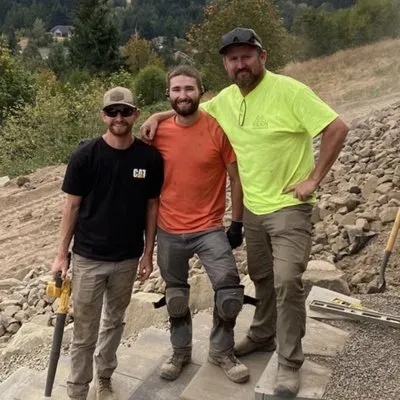
C. E. Wilson Construction is a family-owned and operated company that has been a trusted part of the Kalama community since 2006. Founded by Chad Edward Wilson, the company initially specialized in la...
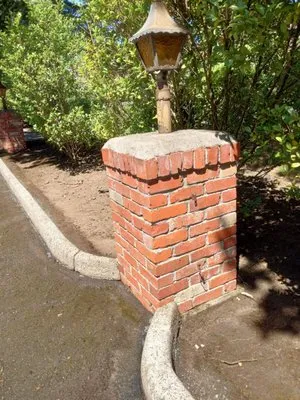
A&L Landscaping is a Kalama-based landscaping company serving both residential and commercial clients throughout the local area. With extensive experience in landscape design, construction, and mainte...
Kalama Yard & Home is a youth-run business dedicated to serving homeowners in Kalama, Longview, and Woodland, Washington. Founded by local teens, we combine a strong work ethic with a commitment to ou...
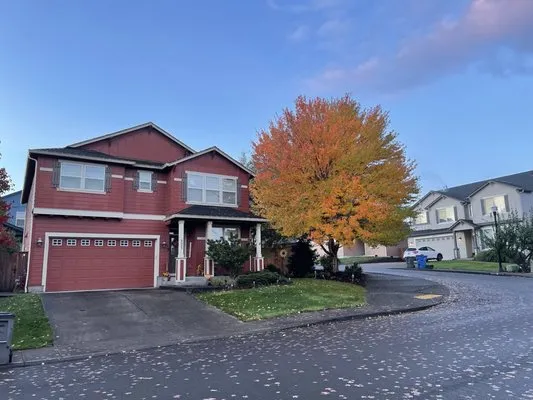
New Paradigm Home and Garden
New Paradigm Home and Garden is a Kalama-based ecological landscape company founded on a passion for creating sustainable outdoor spaces that strengthen our connection to home and place. Drawing on ov...
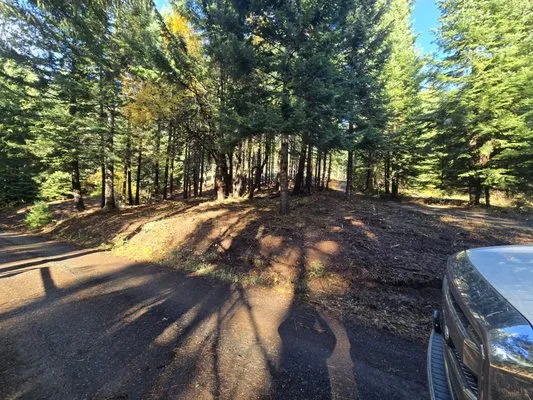
Ember Timber is your local Kalama, WA expert for comprehensive property care, specializing in landscaping, tree services, and snow removal. We understand the unique challenges homes in our area face, ...
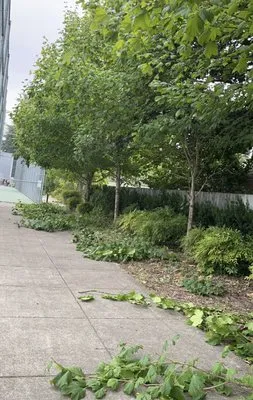
J Vegas Lawncare & Junk Removal
J Vegas Lawncare & Junk Removal is a trusted local service provider in Kalama, WA, specializing in comprehensive lawn care, junk removal, and pressure washing. We help Kalama residents and businesses ...
Frequently Asked Questions
How do we maintain our perennial ryegrass/fine fescue blend during Stage 1 water restrictions?
Wi-Fi ET-based weather sensing controllers optimize irrigation by calculating evapotranspiration rates specific to Kalama's microclimate, reducing water use by 20-30% compared to traditional timers. These systems adjust watering schedules based on real-time weather data, soil moisture sensors, and plant water requirements. This technology preserves turf health while staying well within voluntary conservation guidelines, typically requiring only 1-1.5 inches of water weekly during peak summer months. Proper programming accounts for the blend's drought tolerance and local precipitation patterns.
Why choose basalt pavers over wood for our outdoor living space in a moderate fire risk area?
Basalt pavers and crushed volcanic rock provide superior fire resistance compared to wood, creating defensible space that meets WUI Zone 2 compliance requirements. These materials withstand temperature extremes without degradation, maintaining structural integrity for decades with minimal maintenance. Their non-combustible nature reduces fire ladder potential while their thermal mass moderates microclimate temperatures. Proper installation with appropriate clearances from structures enhances both safety and longevity in Kalama's moderate fire risk environment.
Our Downtown Kalama home was built in 1998 - what should I know about the soil after nearly 30 years?
Soil maturity in Kalama lots from the late 1990s averages 28 years, which typically means compaction from construction equipment and foot traffic has reduced permeability. The slightly acidic Andic silt loam common in Downtown Kalama develops a dense layer that restricts root growth and water infiltration. Core aeration every 2-3 years with organic amendments like composted bark or leaf mold addresses this by improving soil structure and microbial activity. This approach maintains the pH range of 5.8-6.2 while enhancing nutrient availability for established plantings.
What permits and licenses are required for grading work on our 0.22-acre lot?
Grading on a 0.22-acre lot in Kalama requires a permit from the City of Kalama Planning Department, with specific requirements for erosion control and drainage management. Contractors must hold appropriate licensing through the Washington State Department of Labor & Industries, including registration as a landscaping contractor with bonding and insurance. The permit process evaluates soil disturbance extent, runoff mitigation plans, and compliance with local grading standards. Professional licensing ensures adherence to safety protocols and environmental regulations while protecting property owners from liability.
What are the benefits of replacing traditional turf with native plants in our Downtown Kalama yard?
Transitioning to Douglas fir, sword fern, salal, red flowering currant, and oceanspray reduces maintenance by 60-70% while providing year-round ecological function. Native plantings require minimal irrigation once established, support local pollinators, and create habitat corridors that enhance biodiversity. This approach anticipates potential gas-powered equipment restrictions under evolving noise ordinances by eliminating weekly mowing and frequent trimming. The deep root systems of these species also stabilize slopes and improve soil structure over time.
We need emergency storm cleanup to meet HOA requirements - how quickly can a crew arrive?
Emergency response from Louis Rasmussen Park via I-5 typically requires 20-30 minutes during peak conditions, accounting for traffic variables and equipment loading. Crews follow a route optimization protocol that prioritizes arterial access while maintaining compliance with standard noise limits between 7:00 AM and 10:00 PM. This timeframe allows for mobilization of appropriate equipment for debris removal and safety assessment while meeting most HOA compliance windows for post-storm landscape restoration.
What invasive species should we watch for, and how do we treat them safely?
Kalama faces particular risks from Himalayan blackberry, English ivy, and Scotch broom, which thrive in the region's climate and outcompete native vegetation. Manual removal during dormancy followed by targeted glyphosate application to cut stems minimizes chemical use while preventing regrowth. Treatment timing avoids the statewide phosphorus restriction blackout periods for turf fertilizer, focusing instead on selective herbicide application when plants are actively translocating nutrients. Regular monitoring and early intervention prevent establishment while protecting soil microbiology.
Our steep lot has seasonal runoff problems - what drainage solutions work with Kalama's soil conditions?
High runoff in Kalama's steep topography results from clay-rich subsoils beneath the Andic silt loam surface layer, creating impermeable barriers during heavy rains. Installing French drains with clean gravel and perforated pipe redirects subsurface water, while permeable basalt pavers or crushed volcanic rock hardscapes increase surface infiltration. These solutions meet City of Kalama Planning Department runoff standards by reducing peak flow rates and preventing erosion. Strategic placement along contour lines maximizes effectiveness while preserving landscape integrity.
