Top Landscaping Services in Hoquiam, WA, 98550 | Compare & Call
There are 59 landscaping companies server in Hoquiam WA
Galvans Landscaping is a full-service landscaping company serving Aberdeen, WA, and the surrounding Grays Harbor area. We specialize in comprehensive solutions from landscape design and installation t...
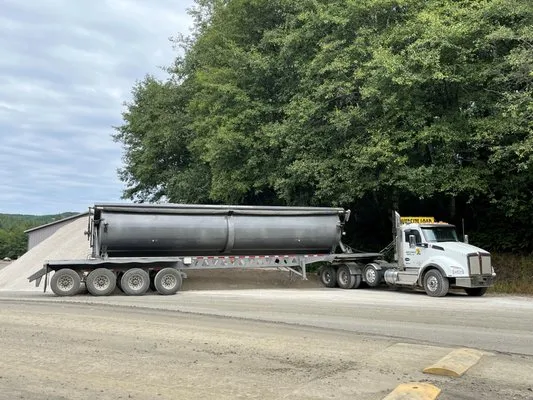
Northwest Rock
Northwest Rock, Inc. has been a trusted supplier of rock products in southwest Washington for over 55 years, serving Oakville and surrounding communities. We operate retail locations in Grays Harbor, ...
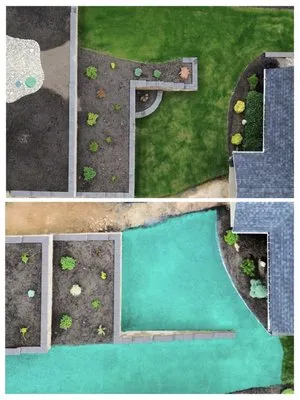
JIT Landscaping is a licensed and insured general contractor based in McCleary, WA, serving Grays Harbor, Thurston, Mason, and Lewis counties. Founded in 2018, we provide a comprehensive range of land...

Santiago's Landscaping LLC has been a trusted landscaping service provider in Aberdeen, WA since 2015. We specialize in comprehensive landscape design, installation, and maintenance, with a focus on s...
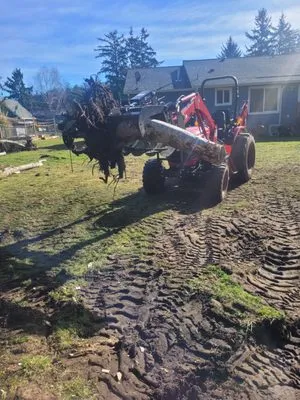
Bigfoot Stump and Tractor Backhoe Service is a Westport, WA-based provider specializing in tree and lawn care solutions. We help local homeowners tackle common landscaping challenges like sprinkler le...
Alex Love's 2 Landscape is a trusted Aberdeen, WA provider specializing in lawn care, tree care services, and pressure washing. We understand the unique challenges local homeowners face, particularly ...
Big D's Landscaping & Bee Removal is a trusted local business serving Aberdeen, WA, specializing in both pest control and landscaping services. We help Aberdeen homeowners tackle common local issues l...
Bailey's Landscaping 360 is a trusted Aberdeen-based landscaping company dedicated to solving common local yard challenges. We specialize in addressing the frequent issues of standing water and uneven...
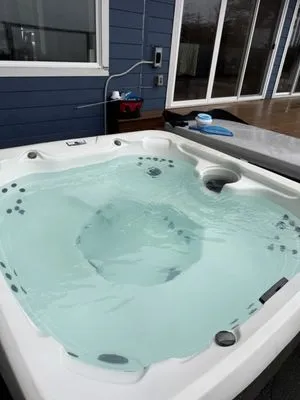
Pnw Solutions Hot Tubs Lawns And General Maintenance
P&W Solutions: Hot Tubs, Lawns, and General Maintenance is a locally owned Seattle business built on over 30 years of hands-on experience in the Pacific Northwest. While newly established, our experti...
Estimated Landscaping Service Costs in Hoquiam, WA
Questions and Answers
My lawn in Hoquiam Central struggles to drain, and moss is taking over. Does this go back to how the neighborhood was built?
Homes built around 1938, like many here, have had nearly 90 years of organic accumulation on top of the native acidic silt loam. This creates a shallow, compacted layer with poor percolation. The soil pH of 5.5-6.2 favors moss over turfgrass. Correcting this requires core aeration to break up compaction, followed by applying a calcitic lime to gently raise pH and improve soil structure for better root penetration and drainage.
I've spotted English Ivy and Himalayan Blackberry on my property. What's the safest way to remove them without harming my other plants?
Those are high-priority invasive species here. Manual removal is most effective: cut vines at the base and carefully dig out root crowns. For larger infestations, a targeted cut-stump application of a glyphosate-based herbicide in late summer is precise. Importantly, always use a phosphorus-free formula to comply with local ordinances protecting nearby water bodies from nutrient runoff.
A storm brought down branches across my driveway. How quickly can a crew respond for an emergency cleanup in Hoquiam?
For urgent situations like blocked access, a crew can typically be dispatched within the hour. The standard route from the Hoquiam Timberland Library via US Route 101 into Hoquiam Central allows for a 20-30 minute arrival, though this can extend during peak storm events with multiple calls. The priority is to clear hazards and restore safety, with finer debris management following.
My yard in Hoquiam Central becomes a seasonal wetland. What's a long-term solution that also handles runoff properly?
Seasonal saturation is common here due to the high water table and dense silt loam. A graded swale lined with crushed basalt can channel water away from structures. For patios or paths, replacing impervious surfaces with permeable concrete pavers allows water to infiltrate directly, reducing runoff volume and rate, which is a core requirement for drainage plans reviewed by the Hoquiam Planning and Building Department.
I'm tired of weekly mowing and gas-powered noise. What's a quieter, lower-maintenance alternative to my lawn?
Transitioning perimeter areas to a matrix of native groundcovers like Salal and Sword Fern, with shrubs like Evergreen Huckleberry and Red Flowering Currant, drastically reduces maintenance. This native plant community requires no mowing, minimal water once established, and supports local biodiversity. It also future-proofs your property against tightening noise ordinances restricting gas-powered blowers and mowers.
I want to regrade my 0.15-acre lot to improve drainage. Do I need a permit, and what should I look for in a contractor?
Yes, significant grading that alters water flow typically requires a permit from the Hoquiam Planning and Building Department. For this work, you must hire a contractor registered with the Washington State Department of Labor & Industries. This licensing ensures they carry the required insurance and bond, protecting you from liability. Always verify their L&I registration number before any contract begins.
I'm considering a new patio. Why are permeable pavers and crushed basalt recommended over wood here?
In Hoquiam's damp climate, wood decks require constant maintenance and have a limited lifespan. Permeable concrete pavers and crushed basalt aggregate are durable, stable solutions that manage the site's water. They also contribute to a 'Firewise' landscape by creating a non-combustible zone—a relevant consideration for creating defensible space, even in our moderate-risk coastal rainforest zone.
With Stage 1 water conservation in effect, how can I keep my perennial ryegrass and fescue lawn healthy through the summer?
Smart Wi-Fi soil moisture sensors are the key to compliance and turf health. These controllers irrigate based on actual evapotranspiration and soil conditions, not a fixed schedule. They prevent overwatering, which is detrimental in our high water table area, and ensure the grass receives deep, infrequent watering that encourages drought-tolerant root growth, all while staying well within voluntary conservation limits.
