Top Landscaping Services in Hobart, WA, 98025 | Compare & Call
There are 208 landscaping companies server in Hobart WA
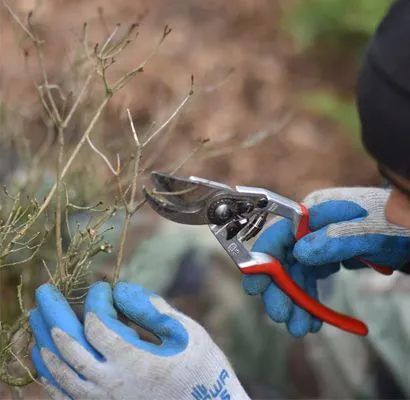
Thomas J Tree & Garden Care is a locally owned and operated North Bend company founded in 2015 by Thomas Evans. Growing up on a Seattle-area greenbelt, Thomas developed a deep appreciation for the div...

Makeover Landscape and Construction
Edgar Lara, owner of Makeover Landscape and Construction in Lynnwood, WA, brings over a decade of hands-on experience to every project. His comprehensive approach combines landscape design, constructi...
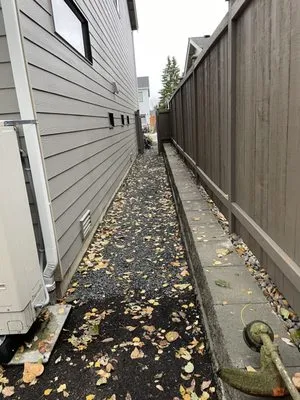
Mendoza Landscaping was founded on a passion for gardening and a drive for independence. Based in Monroe, WA, owner Juan Mendoza started the business to build a reliable service focused on client sati...
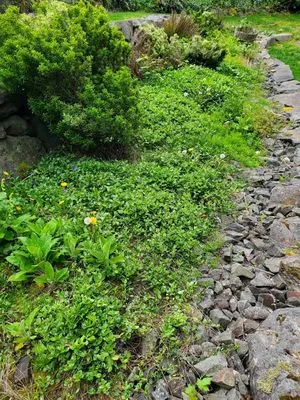
Small Guy Landscaping & Junk Removal is a Kent, WA-based business founded in 2020 by a passionate, hardworking owner who started with just a lawn mower, trimmer, and leaf blower. Through dedication to...
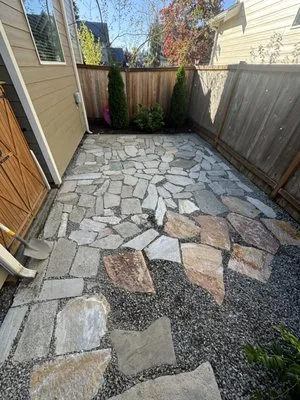
Pease Landscaping is a second-generation, family-owned business serving Puyallup and the surrounding areas since 2015, carrying forward a 36-year legacy of landscape expertise. We specialize in creati...
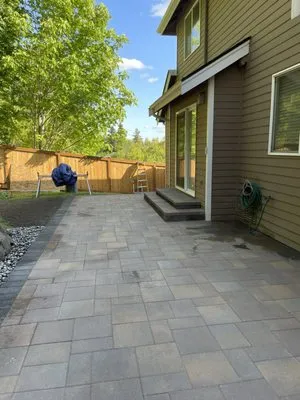
Tan's Landscape is a Renton-based outdoor services company specializing in durable deck, fence, and gate solutions for local homeowners. We understand that our Pacific Northwest climate, with its mois...
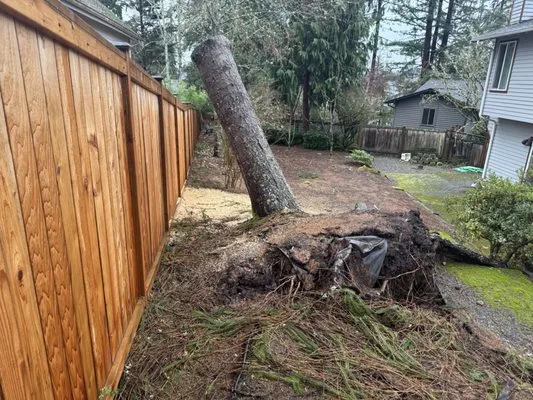
Pacific Northwest Rockeries brings over 35 years of construction expertise to Lynnwood and the surrounding Snohomish County. Founded by a Washington resident with deep roots in Hawaiian craftsmanship,...
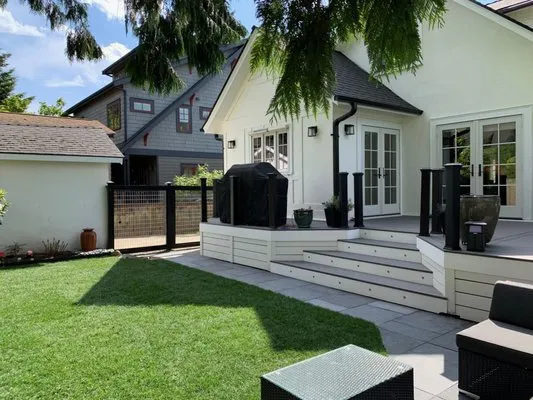
Nguyen Landscaping and Construction has been enhancing outdoor living in Renton and Western Washington since 1995. We are a family-owned, full-service company that combines landscaping expertise with ...
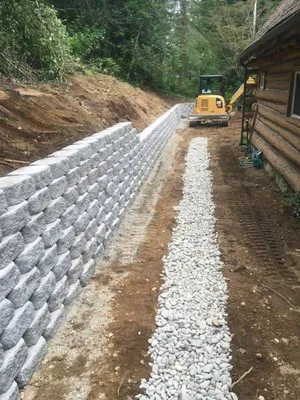
Mike's Hauling & Tractor Work is a family-owned and operated landscaping service deeply rooted in the Issaquah community since 1997. Founded by his father and now led by the next generation, this mult...
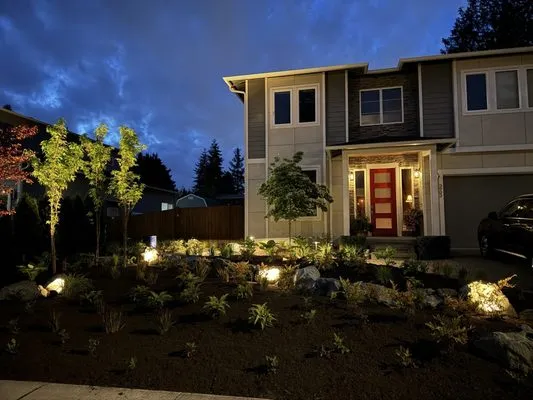
Bear Creek Landscaping & Construction
Bear Creek Landscaping & Construction, led by General Manager Don S., brings over 40 years of dedicated experience to landscaping and construction projects in Redmond and across the Eastside. With a p...
Estimated Landscaping Service Costs in Hobart, WA
Common Questions
Should I replace some lawn with native plants to reduce maintenance?
Transitioning high-maintenance turf areas to Salal, Red Flowering Currant, Western Sword Fern, and Oregon Grape creates climate-adaptive xeriscaping that requires minimal irrigation. These natives thrive in USDA Zone 8b conditions while providing habitat connectivity under 2026 biodiversity standards. This approach reduces mowing frequency and positions properties ahead of potential gas-blower restrictions under evolving noise ordinances.
Are crushed basalt and permeable pavers better than wood for patio materials?
Crushed basalt and permeable concrete pavers offer superior longevity to wood in Hobart's moist climate, with lifespans exceeding 25 years versus wood's 10-15 year replacement cycle. These materials maintain structural integrity through freeze-thaw cycles while creating defensible space for moderate fire-wise ratings. Their non-combustible nature reduces wildfire fuel loads in wildland-urban interface zones compared to wooden decks or mulch beds.
What's the best solution for my yard's seasonal saturation problems?
Glacial till compaction in Hobart's acidic gravelly sandy loam creates high seasonal saturation that requires engineered drainage solutions. Installing French drains with clean gravel and perforated pipe redirects subsurface water away from foundations. Using permeable concrete pavers or crushed basalt for hardscapes increases surface infiltration rates, helping meet King County Department of Local Services runoff standards for new installations.
How quickly can you respond to an emergency tree cleanup after a storm?
Emergency storm response from Hobart Community Park via SR-169 typically requires 45-60 minutes during peak conditions. This routing accounts for potential debris on secondary roads while maintaining compliance with residential noise hours. For HOA compliance issues, we prioritize same-day assessments to address safety hazards or covenant violations before enforcement actions escalate.
What permits and licenses are needed for grading my half-acre property?
Grading work on 0.50-acre lots in Hobart requires King County Department of Local Services permits for any excavation exceeding 50 cubic yards. Washington State Department of Labor & Industries licensing mandates contractors carry specific landscaping contractor bonds for earthmoving operations. These regulations ensure proper erosion control during construction and prevent downstream sedimentation that violates clean water act provisions.
How do I control invasive species without using restricted fertilizers?
Scotch broom and Himalayan blackberry present the highest invasive species risks in Hobart's wildland-urban interface. Manual removal during dormancy followed by cardboard mulching suppresses regrowth without phosphorus-containing fertilizers. For persistent infestations, targeted glyphosate applications in fall avoid RCW 15.54.500 blackout dates while minimizing non-target impacts on native plant communities.
Why does my Hobart Proper yard have such poor drainage and compacted soil?
Hobart Proper homes built around 1982 have soil that has matured for approximately 44 years. The acidic gravelly sandy loam common here develops glacial till compaction over decades, reducing permeability. This soil type naturally becomes dense with seasonal saturation, requiring core aeration to improve oxygen flow. Adding organic amendments like composted bark can enhance soil structure while maintaining the pH 5.5-6.0 range that supports native plants.
Can I maintain my tall fescue and Kentucky bluegrass blend under Stage 1 water restrictions?
Wi-Fi ET-based weather sensing irrigation systems from Rain Bird or Hunter controllers preserve turf health within voluntary conservation limits. These systems adjust watering schedules based on real-time evapotranspiration data, reducing water use by 15-25% compared to traditional timers. Programming deep, infrequent watering cycles encourages deeper root growth that withstands dry periods while staying compliant with municipal water guidelines.
