Top Landscaping Services in Grand Mound, WA, 98531 | Compare & Call
There are 130 landscaping companies server in Grand Mound WA
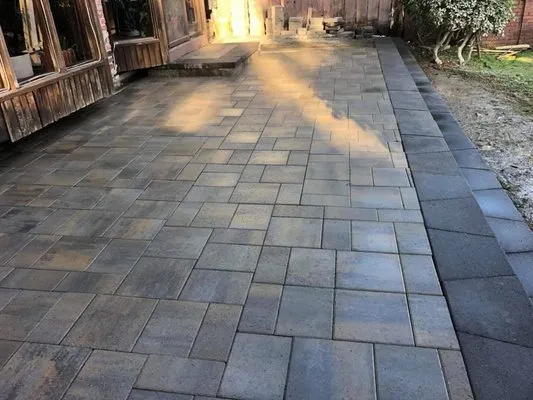
Archterra Landscape Services
Archterra Landscape Services has been a trusted name in Puyallup and Western Washington since 2005, helping homeowners create exceptional outdoor living spaces. We combine thoughtful design with solid...
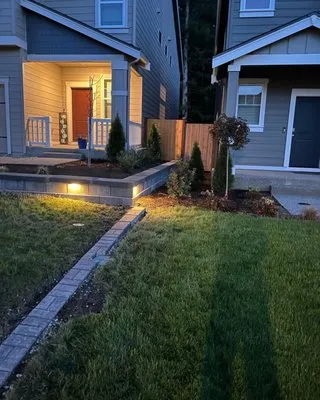
Campbell Excavating and Landscape is a family-owned and operated company serving Graham, WA, and the greater Pierce County area for over a decade. We specialize in transforming properties from the gro...
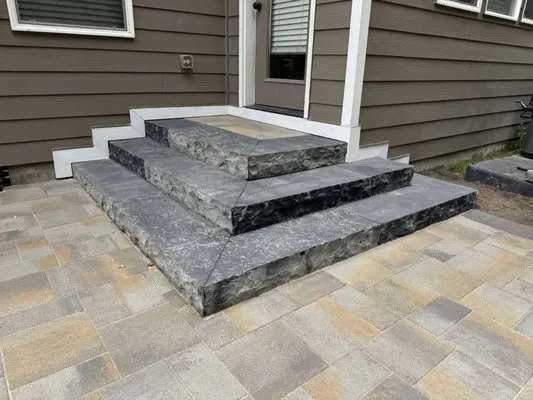
Dream Landscapes
Dream Landscapes is a trusted, locally-owned landscaping and construction company serving Olympia and the surrounding communities of Mason, Thurston, and Lewis County. With a combined 30 years of hand...
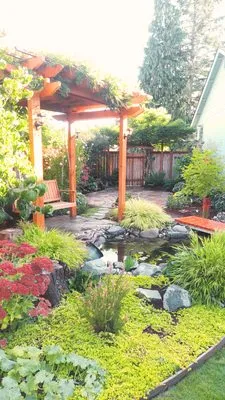
Solvida Irrigation & Landscapes is a full-service outdoor solutions company serving Olympia, WA, and the surrounding areas. We specialize in creating and maintaining beautiful, functional landscapes t...
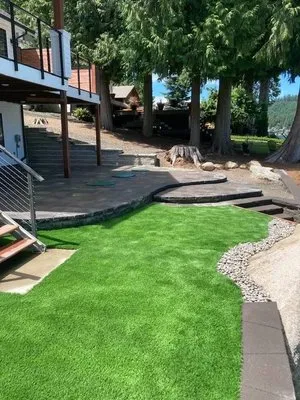
CPC Landscape is a family-owned and operated landscaping company serving Olympia and surrounding communities since 2007. We specialize in creating and maintaining beautiful, functional outdoor spaces ...
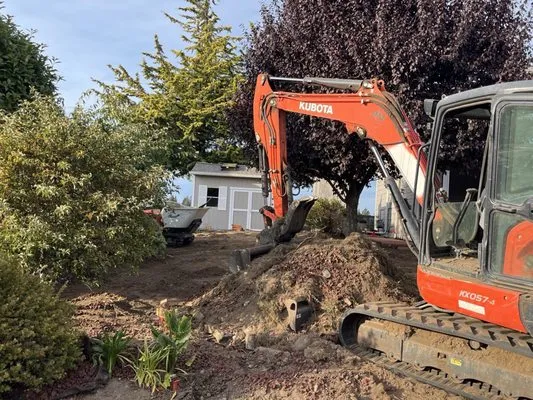
AJB Landscaping & Fence is a trusted Olympia, WA company specializing in fencing, landscaping, and artificial turf solutions. We help local homeowners and businesses address common area challenges lik...
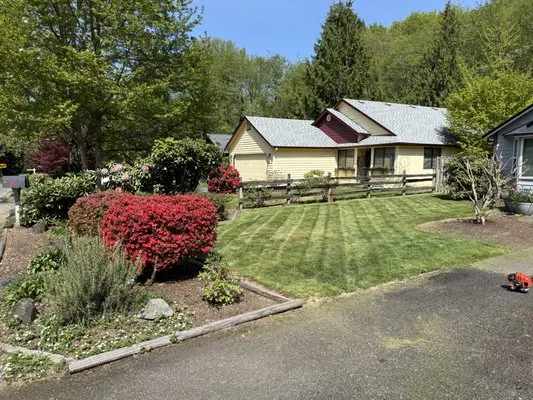
Brattons Landscaping is a full-service landscape company serving Olympia, WA. We specialize in designing, installing, and maintaining beautiful, functional outdoor spaces tailored to the South Sound c...
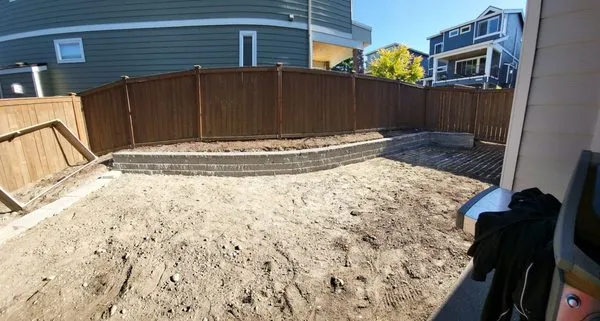
Cmi Home Services is a full-service contractor based in Olympia, WA, specializing in insulation, landscaping, and masonry/concrete. We help local homeowners address common regional challenges like shi...
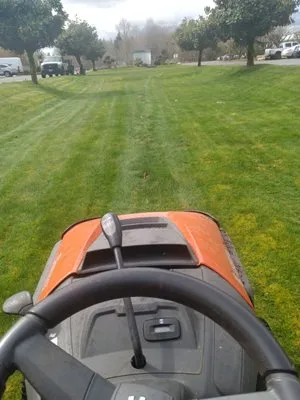
Taylor Landscaping is a locally-owned and operated business serving Centralia and the surrounding communities. We are dedicated to enhancing outdoor living spaces with a comprehensive range of service...
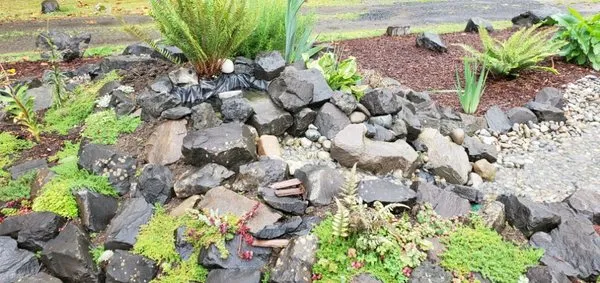
Coluccio's Landscape And Design brings over two decades of expertise to Tumwater, WA, with a deep-rooted passion for creating sustainable and enduring landscapes. Founded on a 23-year career and a uni...
Estimated Landscaping Service Costs in Grand Mound, WA
Frequently Asked Questions
My yard pools water every spring. What's a long-term solution that meets county standards?
Seasonal high water tables and poor infiltration are common challenges with our acidic silt loam. A functional solution involves creating a dry well or French drain system tied to a permeable patio or pathway. Using crushed basalt aggregate for these hardscapes provides excellent permeability, helping manage runoff on-site. This approach often meets Thurston County Community Planning and Economic Development standards for stormwater management without requiring a full detention pond on a 0.25-acre lot.
I've spotted what looks like Scotch Broom or Himalayan Blackberry. How do I deal with it safely?
Those are high-priority invasive species that outcompete natives. For effective control, manual removal of the root crown is best for small infestations. For larger areas, a targeted, phosphorus-free herbicide application may be necessary, but timing is crucial to avoid violating local fertilizer ordinance blackout dates, typically in fall and winter. Always follow up with planting aggressive natives like Douglas Fir saplings or Sword Fern to occupy the space and prevent regrowth.
How can I keep my Perennial Ryegrass and Fine Fescue lawn healthy during Stage 1 water restrictions?
Voluntary conservation under Stage 1 is best managed with technology that prevents overwatering. A soil moisture sensor (SMS) controller is critical; it irrigates only when the root zone moisture drops below a preset level, aligning with actual evapotranspiration (ET) rates. This method can reduce water use by 20-30% compared to timer-based systems while maintaining turf health. It ensures compliance and prepares your system for potential stricter future mandates.
A storm just knocked a large limb into my yard. How quickly can you get here for an emergency cleanup?
For urgent HOA compliance or safety issues like storm debris, our dispatch from the Grand Mound Park and Ride allows for efficient routing. We travel via I-5, which typically results in a 20-30 minute arrival to the Grand Mound Residential Core, even during peak storm response times. Our electric fleet operates within the 7:00 AM to 9:00 PM noise ordinance window, ensuring immediate, compliant service.
Is crushed basalt a good choice for a new patio, considering fire risk and longevity?
Yes, crushed basalt aggregate is a superior material for our environment. Unlike wood, it is non-combustible, which directly supports creating defensible space for a Moderate Fire Wise Rating in the Wildland-Urban Interface. It also has exceptional durability against freeze-thaw cycles and does not decompose. Its permeability aids in groundwater recharge, and its dark color integrates well with the native landscape, requiring zero chemical treatments for preservation.
I want to regrade part of my yard. What permits and contractor credentials should I look for?
Any significant grading on a 0.25-acre lot that alters drainage patterns likely requires a permit from Thurston County Community Planning and Economic Development. The contractor must be licensed through the Washington State Department of Labor & Industries, specifically for landscaping or excavation. This licensing ensures they carry the required bonding and insurance. Unpermitted grading can lead to runoff violations affecting neighboring properties and costly corrective orders.
I'm tired of weekly mowing and gas blowers. What's a lower-maintenance, native alternative?
Transitioning high-input turf to a native plant palette is a forward-thinking strategy. Species like Salal, Red Flowering Currant, and Western Sword Fern are adapted to our Zone 8b climate and acidic soils, requiring minimal water and no mowing. This reduces fuel consumption, aligning with the shift toward electric maintenance fleets and noise ordinances. It also enhances biodiversity and provides better habitat value than a monoculture lawn.
My yard in the Grand Mound Residential Core doesn't drain well and the grass is thin. Is this a soil issue from when the house was built?
Homes built around 1994, like many here, are on soils that have compacted for over 30 years. The prevalent acidic silt loam (pH 5.5-6.2) naturally has poor permeability, which has been exacerbated by decades of foot traffic and standard maintenance. This creates a dense layer that impedes root growth and water infiltration. To correct this, we recommend core aeration in early fall, followed by a top-dressing of compost to increase organic matter and improve soil structure.
