Top Landscaping Services in Graham, WA, 98338 | Compare & Call

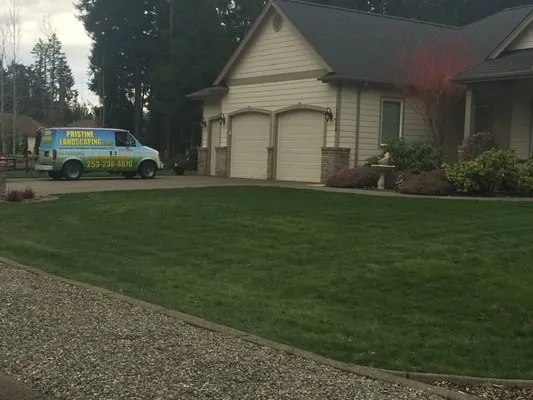
Pristine Landscaping INC serves homeowners in Graham, WA, with reliable gardening and landscape maintenance services. We focus on practical solutions for common local challenges, helping residents tra...
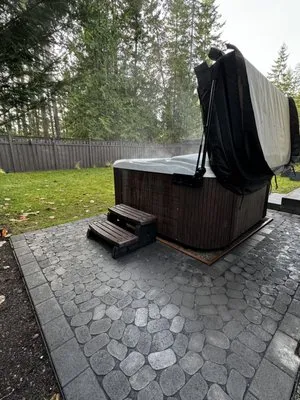
Mountain View Landscaping has been a trusted, locally owned presence in Graham, WA, and the greater Puget Sound area for over 25 years. We specialize in transforming outdoor spaces with comprehensive ...
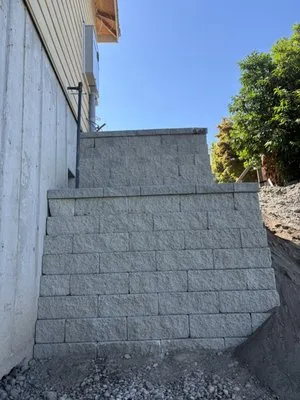
Chris And Jacob’s Landscaping is a dedicated local company serving Graham, WA, and the surrounding communities. We specialize in diagnosing and correcting common local yard problems, such as persisten...
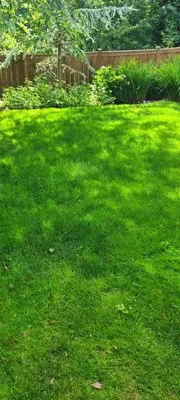
Hernandez Lawn Care is your trusted, local lawn service provider in Graham, WA. We understand the specific challenges homeowners in our area face, from shrubs struggling in our unique climate to the f...
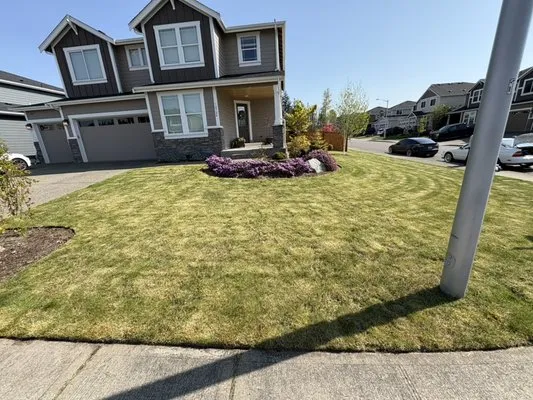
Wilson Groundskeeping Elite is a Graham-based landscaping and design company dedicated to transforming local outdoor spaces. We specialize in creating functional and beautiful landscapes tailored to t...
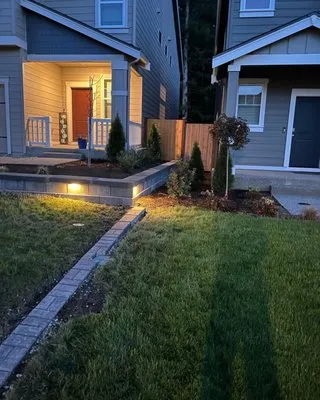
Campbell Excavating and Landscape is a family-owned and operated company serving Graham, WA, and the greater Pierce County area for over a decade. We specialize in transforming properties from the gro...
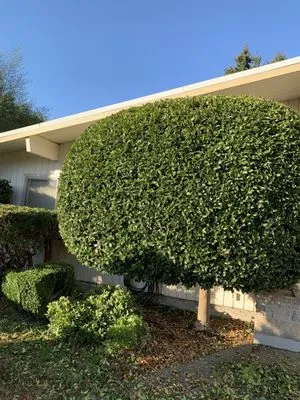
Lorang's Landscapes, serving Graham and the surrounding areas, is a locally owned and operated business founded on a principle of honest value. Owner Lorang's hands-on experience began in home gardeni...
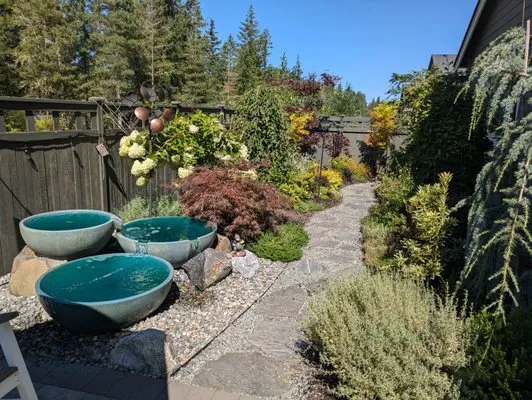
Picturesque Landscaping & Design LLC is a trusted local landscaping company serving Graham, WA. With over a decade of hands-on experience, our team specializes in turning your property's outdoor areas...
Rainier Landscape Supply
For over 35 years, Rainier Landscape Supply has been a trusted, family-operated resource for homeowners and contractors in Graham and the surrounding South Sound region. We specialize in providing qua...
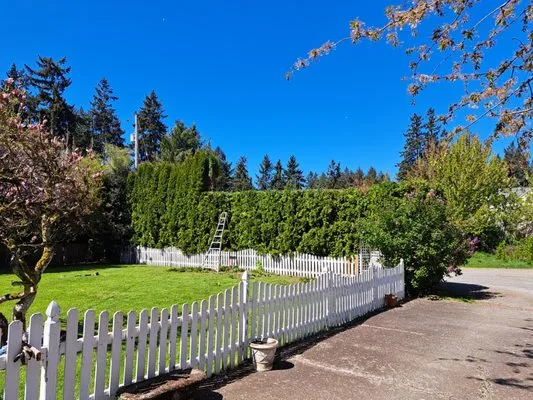
Greenwave Landscaping And Lawn Services is a family-owned business based in Graham, WA, founded by Aaron who brings 20 years of hands-on experience in the landscaping and lawn care industry. Establish...
Q&A
With Stage 1 water conservation in effect, how can I keep my perennial ryegrass lawn green without overwatering?
Smart Wi-Fi ET-based irrigation controllers are the standard solution. They automatically adjust runtime based on real-time evapotranspiration data, weather forecasts, and soil moisture. This technology precisely delivers water only when the turfgrass root zone requires it, often reducing usage by 20-30% while maintaining plant health and complying with voluntary conservation measures.
A storm knocked down a large limb. How quickly can a crew respond for an emergency cleanup?
For an emergency HOA compliance or hazard cleanup, dispatch from the Graham Thriftway intersection allows direct access to SR 161. During peak traffic, expect a crew arrival within the 45-60 minute window. All storm response vehicles are part of an electric fleet, complying with the local noise ordinance for early morning or late evening work if necessary.
My yard turns into a seasonal pond every spring. What's a long-term fix for this drainage issue?
High seasonal saturation is common due to the impermeable glacial till hardpan beneath the Alderwood soil profile. A strategic solution involves installing French drains or dry wells to intercept water. Using permeable hardscape materials like crushed basalt for paths instead of solid concrete can increase infiltration, helping meet Pierce County Planning and Public Works runoff management standards.
I've spotted English Ivy and Scotch Broom taking over. How do I remove them without using banned fertilizers?
English Ivy and Scotch Broom are high-priority invasive species in Washington. Manual removal is most effective; ensure all root systems are extracted. For chemical control, use a glyphosate-based herbicide applied directly to cut stems in fall, strictly following label instructions. This targeted approach manages invasives without violating the Washington State Phosphorus Ban, which prohibits phosphorus in turf fertilizers to protect watersheds.
Is crushed basalt a better choice than wood for a new patio, considering fire safety and durability?
Crushed basalt is superior for durability and fire resilience. Unlike wood, it is non-combustible and does not decompose, providing a permanent, low-maintenance surface. In Graham's Moderate Fire Wise rating zone, using non-flammable materials like basalt or permeable concrete for patios and pathways contributes to defensible space by creating a firebreak, a key recommendation for Wildland-Urban Interface areas.
I want to reduce mowing and gas blower noise. What are some lower-maintenance, native alternatives to grass?
Transitioning to a xeriscape with native plants like Salal, Oregon Grape, and Western Sword Fern significantly reduces water and maintenance needs. These plants are adapted to the local Zone 8b climate and acidic soil, requiring no fertilization and minimal pruning. This shift aligns with evolving noise ordinances restricting gas-powered equipment and supports 2026 biodiversity goals for the Wildland-Urban Interface.
My yard seems to drain poorly and nothing grows well. Is this just bad luck or something about the soil in Graham Central?
This is a predictable condition of Graham Central lots developed around 2000. The soil is Acidic Alderwood Gravelly Sandy Loam, now approximately 26 years old and lacking mature organic structure. This soil type naturally has a restrictive glacial till hardpan layer that impedes percolation. Core aeration and incorporating 2-3 inches of composted organic matter are essential to improve soil permeability and nutrient cycling for healthy root development.
I want to regrade part of my half-acre lot. What permits and contractor credentials are required?
Any significant grading or earthmoving on a 0.50-acre lot typically requires a permit from Pierce County Planning and Public Works to ensure proper drainage and erosion control. You must hire a contractor licensed by the Washington State Department of Labor & Industries. This licensing is mandatory for projects altering land contours, guaranteeing the work meets state safety and competency standards, and protects you from liability.
