Top Landscaping Services in Geneva, WA, 98229 | Compare & Call

There are 147 landscaping companies server in Geneva WA
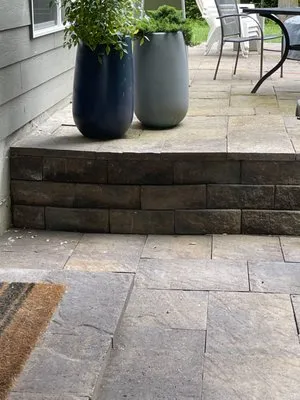
New Life Rockeries of Seattle specializes in creating durable and beautiful landscapes for the Pacific Northwest. With over 35 years of experience serving King and Snohomish counties, owner Neil Eneix...
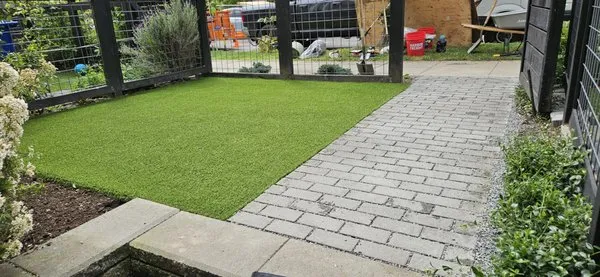
PNW Turf N More is your trusted Lake Stevens landscaping partner specializing in artificial turf, comprehensive landscaping, and masonry/concrete services. We help homeowners tackle common local chall...
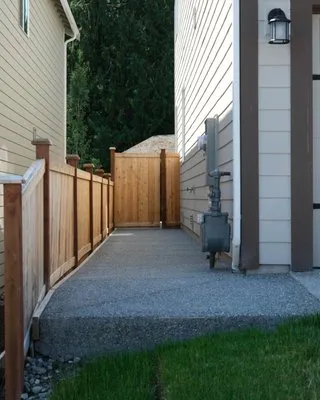
Skagit Branches is your local Mount Vernon, WA expert for transforming and protecting your property. We specialize in landscaping, masonry, and painting services to build durable, beautiful outdoor sp...

Angeles Landscaping in Marysville, WA, brings passion and expertise to every outdoor project. What began as a love for gardening has grown into a full-service business dedicated to creating beautiful,...
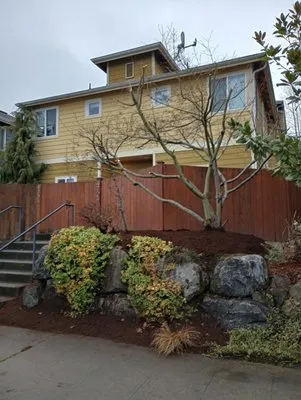
Nature Landscaping Maintenance in Everett, WA, is built on a foundation of over three decades of hands-on experience in the field. The owner, having worked in landscaping for his entire career, has no...

Matt's Mobile Maintenance
Matt's Mobile Maintenance, based in Everett, WA, is a versatile local service provider specializing in junk removal, hauling, moving, and landscaping. For residents of Everett, the business is a pract...
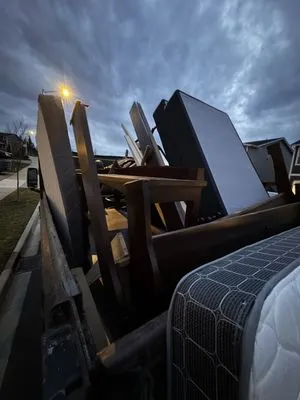
Gonzalez Junk Removal and Hauling
Gonzalez Junk Removal and Hauling is a locally owned and operated business in Lake Stevens, WA, founded by a team of friends with years of hands-on experience. We started from humble beginnings, drive...
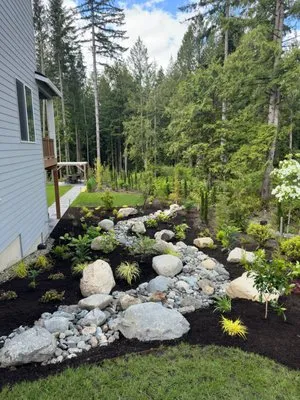
Universal Landscape Corp is a locally-owned and operated landscape construction company serving Tulalip, WA, and surrounding areas since 2005. Founded by two couples—the Metz's and the Istvan's—the bu...
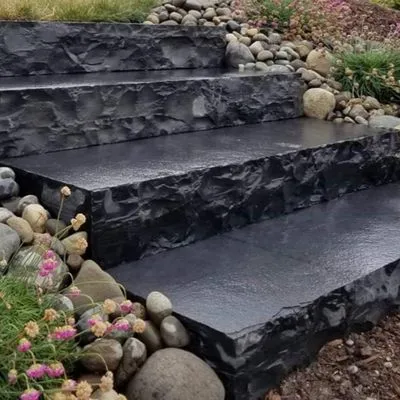
BL Landscapes has been a trusted landscaping partner for Oak Harbor and Whidbey Island residents since 1996. Founded by someone who grew up gardening and turned that childhood passion into a lifelong ...
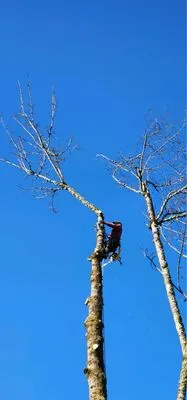
Climb High Tree & Property Care
Climb High Tree & Property Care, led by owner Michael, provides professional tree and lawn care services for Marysville residents. We specialize in precision tree trimming, safe removal, and comprehen...
Estimated Landscaping Service Costs in Geneva, WA
FAQs
How do I control invasive species without violating phosphorus fertilizer restrictions?
Target Scotch broom and Himalayan blackberry with glyphosate spot treatments during dry periods in late summer, avoiding spring application when phosphorus runoff risks are highest. Manual removal of root crowns prevents regrowth without chemical dependency. Soil testing confirms phosphorus levels before any amendment, as Geneva's glacial till typically contains adequate phosphorus despite acidic pH. Always check Bellingham's annual blackout dates for fertilizer applications.
What low-maintenance alternatives exist for reducing gas equipment use in my yard?
Replacing turf with native Salal, Sword Fern, Red Flowering Currant, and Pacific Ninebark creates self-sustaining plant communities requiring minimal maintenance. These species thrive in acidic soils without fertilization, eliminating gas-powered mowing and blowing ahead of tightening noise ordinances. Established natives need only seasonal pruning with electric tools, reducing carbon emissions by 85% compared to gas equipment over a 10-year period.
Why does my Geneva yard have such compacted, acidic soil that struggles to grow anything?
Geneva's residential lots, developed around 1978, have 48-year-old soil profiles in acidic glacial till with pH 5.5-6.2. This glacial deposit naturally compacts over decades, reducing pore space for root expansion and water infiltration. Core aeration combined with organic amendments like composted bark increases permeability and buffers acidity. Regular soil testing every 3-5 years monitors pH drift toward optimal 6.0-6.5 for most landscape plants.
How quickly can you respond to emergency storm damage for HOA compliance in Geneva?
Emergency cleanup crews dispatch from Bloedel Donovan Park via I-5, reaching Geneva properties within 20-30 minutes during peak response windows. We prioritize safety assessments before debris removal, using electric chippers that comply with noise ordinances restricting gas equipment before 8:00 AM. Documentation for HOA compliance includes timestamped arrival photos and storm damage classification reports.
What permits and licenses are needed for grading my 0.25-acre Geneva property?
Bellingham Planning and Community Development requires grading permits for any cut/fill exceeding 50 cubic yards on 0.25-acre lots. Washington State Department of Labor & Industries mandates contractor licensing for excavation deeper than 12 inches or within 5 feet of property lines. Licensed professionals carry erosion control bonds and follow stormwater management plans that meet 2026 runoff reduction standards of 15% below pre-development levels.
How do I maintain my perennial ryegrass/fine fescue lawn during Stage 1 water restrictions?
Smart Wi-Fi soil moisture sensors prevent overwatering by tracking real-time ET rates and pausing irrigation during rainfall events. These controllers maintain turf health with 25% less water than traditional timers by delivering 0.75-1 inch weekly during peak season. Deep, infrequent watering encourages root growth below the clay sub-strata, improving drought resilience while respecting voluntary conservation measures.
What solutions exist for Geneva's seasonal saturation and poor water infiltration?
High seasonal saturation in glacial till requires subsurface drainage systems with perforated pipes at 18-24 inch depths. Permeable concrete pavers and crushed basalt surfaces meet Bellingham Planning standards by allowing 5-8 inches per hour infiltration versus 0.5 inches for compacted clay. French drains should daylight at least 10 feet from foundations, with slope gradients of 1-2% directing water away from structures.
Are permeable pavers better than wood decking for longevity and fire safety in Geneva?
Permeable concrete pavers outlast wood by 3-4 times with 40+ year lifespans versus 10-15 years for pressure-treated timber. Their non-combustible nature supports Moderate Fire Wise ratings by creating defensible space without organic fuel accumulation. Crushed basalt bases provide drainage while resisting erosion better than wood mulch, which requires annual replacement and poses higher fire risk in WUI interface zones.
