Top Landscaping Services in Freeland, WA, 98249 | Compare & Call
There are 136 landscaping companies server in Freeland WA
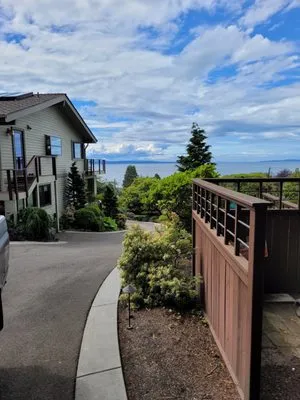
Su Casa Landscaping is a Stanwood-based landscaping company serving homeowners throughout the area with comprehensive outdoor solutions. We specialize in addressing common local issues like standing w...
Lawn Salon Landscaping Services
Lawn Salon Landscaping Services is a family-owned and operated business rooted in Sedro-Woolley, proudly serving the Skagit Valley and surrounding communities. Co-owner Erik Hibma brings over two deca...
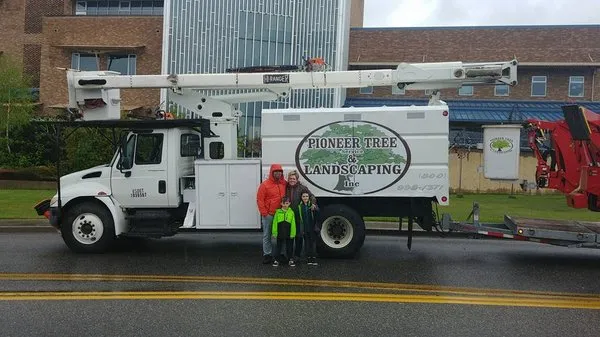
Pioneer Tree Service & Landscaping
Pioneer Tree Service & Landscaping, Inc. is a family-owned and operated business that has been providing expert tree care and landscaping services to Oak Harbor and the surrounding communities of Isla...
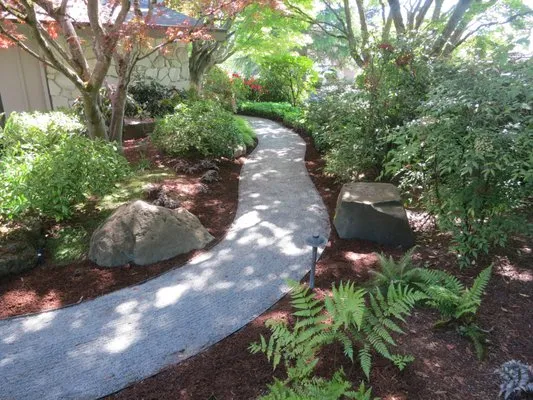
D M Ohashi Landscape Services is a trusted, family-owned landscaping company serving Issaquah and the surrounding Puget Sound region. With over three decades of local experience, they specialize in cu...
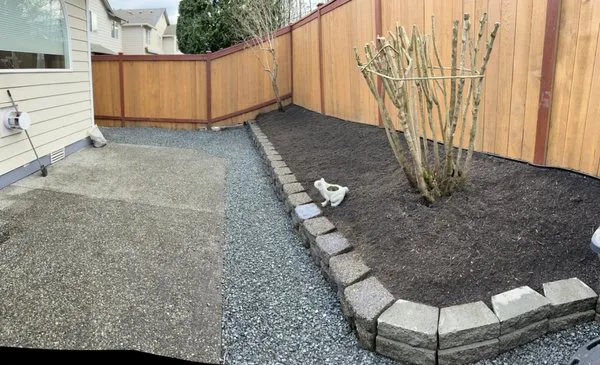
Lenker's Services is a licensed and insured family-owned business in Granite Falls, WA, specializing in landscaping, junk removal, and tree services. We handle everything from Christmas tree disposal ...
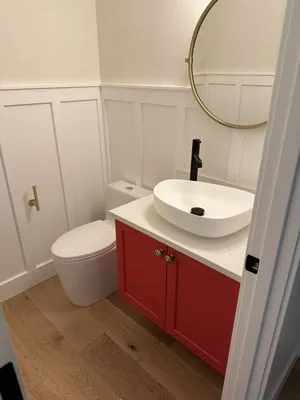
Balas Construction is a Snohomish-based custom homebuilder and general contractor founded in 2018 by Ryan Balas, a third-generation builder with over 25 years of experience. Growing up in the industry...
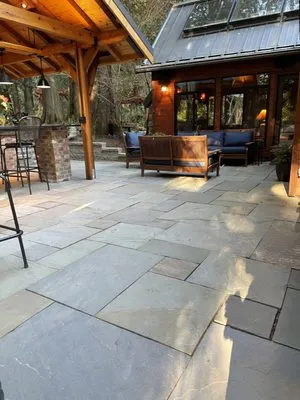
Ivan's Landscape & Construction
Ivan's Landscape & Construction is a trusted, locally-owned company serving Snohomish County and the wider PNW region. With over six decades of combined expertise in landscaping, excavation, and gener...
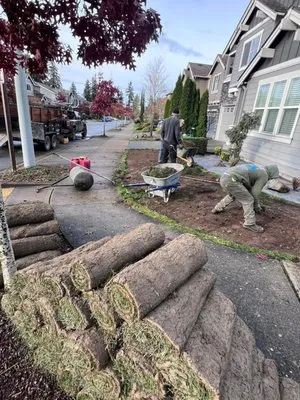
NW Property Maintenance is a trusted local service provider in Lake Stevens, WA, specializing in landscaping, gutter services, and pressure washing. We understand that homeowners in our community freq...
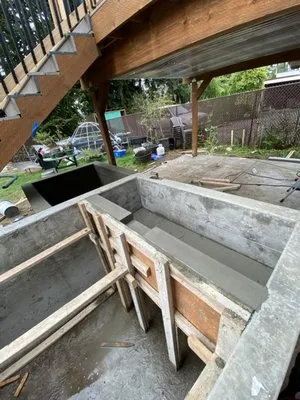
Lopez Concrete is a family-owned masonry and concrete business serving Lake Stevens, WA, with expertise in driveway installation, retaining walls, walkways, repairs, sealing, and removal. With years o...
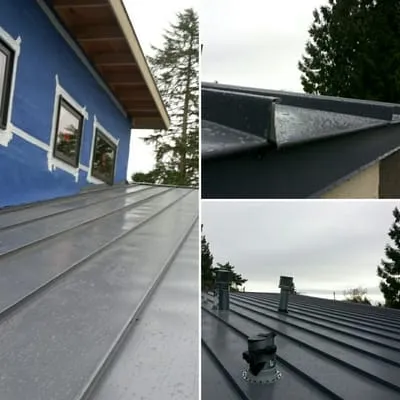
Square One Home Services is a Snohomish-based contractor with over three decades of general construction experience in Washington. We bring a deep understanding of local homes and regional challenges ...
Estimated Landscaping Service Costs in Freeland, WA
Questions and Answers
A major storm knocked down a tree limb. How quickly can a crew arrive for emergency cleanup?
For emergency storm response, a crew can typically be dispatched within 25-30 minutes during peak hours. The standard route originates from our central staging near Freeland Park, proceeding via WA-525 to reach most properties in the Freeland Core area. This timeframe accounts for safe travel with equipment under adverse weather conditions and prioritizes hazards blocking driveways or threatening structures to ensure HOA or safety compliance.
Our yard has standing water for much of the winter. What's a long-term solution?
High seasonal saturation is a direct result of poor percolation through Freeland's dense glacial till. Installing subsurface French drains to channel water away from foundations is often necessary. For any new patios or paths, specifying permeable crushed basalt or pavers allows stormwater to infiltrate on-site, which Island County Planning & Community Development increasingly encourages to meet runoff management standards. Combining these strategies addresses the symptom and the source of the drainage hazard.
Our yard's soil seems compacted and struggles to grow grass well. What's the underlying cause for a house built in the 1990s?
Homes built in Freeland around 1994 are on roughly 30-year-old soil profiles. The prevalent acidic glacial till (pH 5.5-6.2) becomes densely compacted over decades, restricting root growth and water percolation. This is common in the Freeland Core neighborhood where original construction grading compressed the native subsoil. Corrective action requires core aeration paired with incorporating lime to gently raise pH and composted organic matter to rebuild structure and microbial activity.
How can we keep our lawn green during summer while following water conservation guidelines?
Under Stage 1 voluntary conservation, efficient irrigation is critical. A smart Wi-Fi soil moisture sensor array eliminates guesswork by watering only when the root zone of your perennial ryegrass and fine fescue blend requires it, based on actual evapotranspiration (ET). This technology can reduce potable water use by 20-40% compared to timed schedules, preserving turf health within municipal limits. Properly calibrated, it prevents the shallow rooting and disease promoted by overwatering in our poorly percolating soils.
We've spotted invasive English Ivy and Scotch Broom. How should we handle removal and restoration?
English Ivy and Scotch Broom are high-priority invasive species that outcompete native flora. Manual removal, ensuring the entire root system is extracted, is the first step. For follow-up restoration, amend soil with compost and plant aggressive native groundcovers like Salal to suppress regrowth. Note that the statewide phosphorus ban on turf means no phosphorus-containing fertilizers can be used in the revegetation area, emphasizing the need for proper soil preparation and mycorrhizal inoculants to support plant health.
We want to reduce mowing, blowing, and watering. What are the best native plants to use?
Transitioning to a landscape anchored by Pacific Northwest natives like Salal, Sword Fern, Evergreen Huckleberry, and Red Flowering Currant drastically reduces maintenance inputs. Once established, these plants require no supplemental irrigation, no mowing, and minimal fertilization. This shift also future-proofs your property against potential tightening of noise ordinances targeting gas-powered blowers and aligns with xeriscaping principles for long-term climate resilience and biodiversity support.
What permits and contractor qualifications are needed to regrade and terrace our sloped backyard?
Regrading a 0.35-acre lot often requires a permit from Island County Planning & Community Development, especially if it alters water flow or involves significant cut and fill. The contractor must be licensed and bonded through the Washington State Department of Labor & Industries. For this specialized earthwork, verify they carry a specialty license for excavation and grading. Proper licensing ensures work meets structural and environmental codes, protecting you from liability and substandard outcomes that could destabilize the slope.
Is a wood deck or a stone patio better for longevity and fire safety in our area?
For longevity and compliance with Moderate (WUI Zone 2) fire-wise ratings, a patio of permeable crushed basalt or concrete pavers is superior. This non-combustible material creates critical defensible space, a key requirement for wildfire mitigation. Compared to wood, which requires constant sealing and decays in our wet climate, stone hardscapes have a multi-decade lifespan with minimal upkeep and improve site drainage, addressing two core Freeland challenges simultaneously.
