Top Landscaping Services in Fobes Hill, WA, 98290 | Compare & Call
There are 186 landscaping companies server in Fobes Hill WA
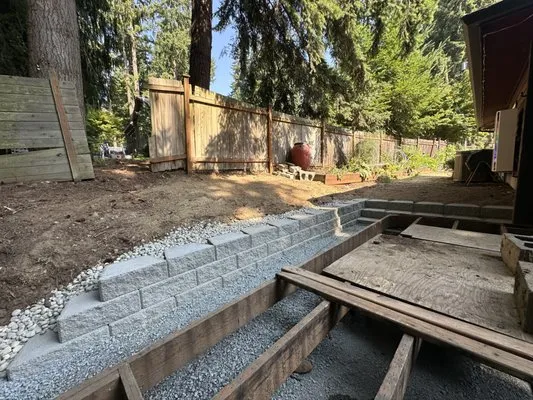
Platinum Hardscapes is a Marysville-based contractor dedicated to enhancing and maintaining outdoor living spaces across Snohomish and King Counties. We specialize in a comprehensive range of services...
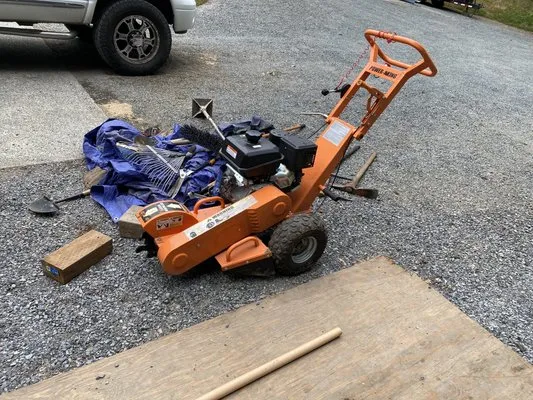
Got Yard is a Marysville-based company providing comprehensive masonry/concrete, junk removal, and lawn services to help homeowners maintain and improve their properties. We specialize in addressing c...
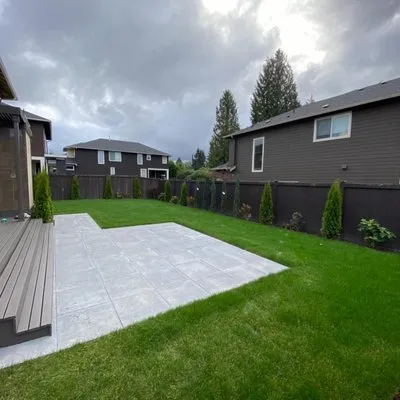
Becker Landscaping & Services is a trusted, locally-owned provider in Lake Stevens, WA, offering comprehensive solutions for both residential and commercial properties. We specialize in transforming a...
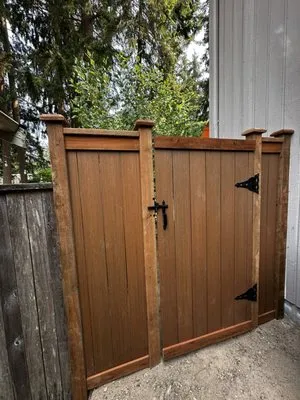
JRC Builders is a family-owned and operated business proudly serving Lake Stevens, WA, and the surrounding communities. With deep roots in the area, we understand the unique needs of local homeowners,...
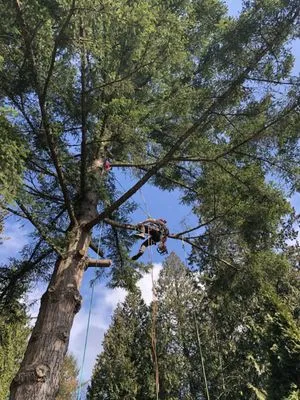
North Valley Tree Care is a licensed and insured Snohomish County company dedicated to enhancing and protecting your property. Founded in 2022, our team brings over a decade of combined expertise in t...
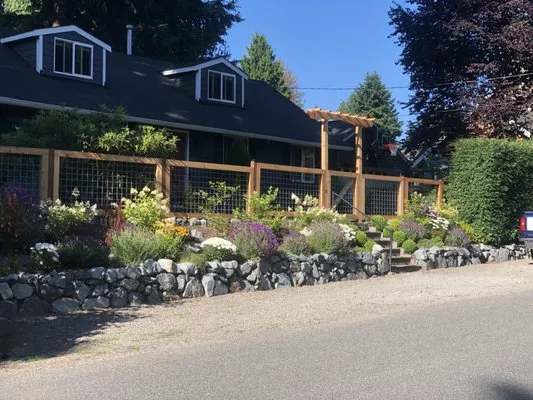
B Brothers Landscape is a licensed and insured landscaping company serving Everett, WA and the broader Pacific Northwest. With over 16 years of experience, they specialize in comprehensive outdoor sol...

Brier Creek Gardens
Brier Creek Gardens is a licensed and bonded landscaping partner in Lake Stevens, WA. We specialize in creating and maintaining beautiful, functional outdoor spaces for local homeowners. Our approach ...
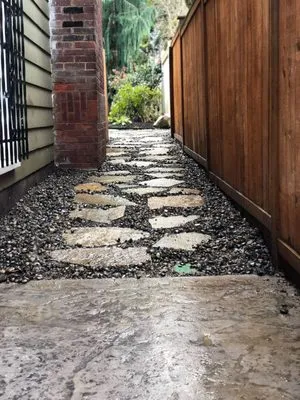
Ballpark Landscapes is a Lake Stevens-based landscaping company serving residential clients throughout Snohomish County. With expertise ranging from earthmoving and regrading to comprehensive landscap...
Erickson's Family Painting & Services is a trusted, family-owned and female-led business serving Snohomish and the surrounding communities. We provide a comprehensive range of home services designed t...
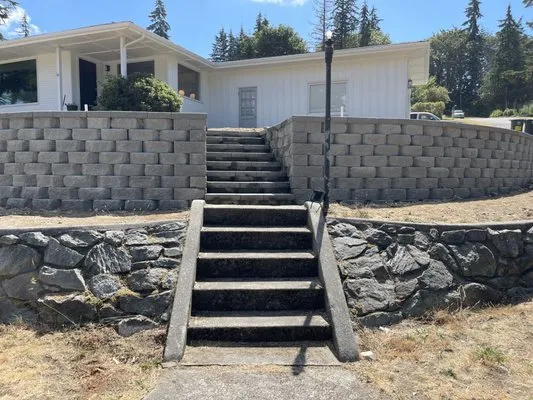
Artful Landscape serves Burlington, Whatcom County, and the Anacortes area, providing comprehensive landscaping and construction services. From foundational earthmoving and regrading to detailed garde...
Estimated Landscaping Service Costs in Fobes Hill, WA
Common Questions
Are permeable pavers worth the investment compared to wood decking?
Permeable basalt pavers offer 25+ year longevity with minimal maintenance, unlike wood that requires regular sealing and replacement in damp climates. Their non-combustible nature supports defensible space requirements in moderate Wildland-Urban Interface zones. Proper installation creates stable surfaces that resist frost heave while managing stormwater runoff. Initial costs balance against reduced long-term maintenance and compliance with fire-wise landscaping principles.
What permits and licenses are needed for landscape grading work?
Grading on 0.25-acre lots in Snohomish County requires permits from Planning & Development Services, with specific standards for erosion control and drainage. Contractors must hold Washington State Department of Labor & Industries registration for excavation work exceeding 12 inches depth. Professional licensing ensures proper engineering for soil stability, particularly on sloped properties with glacial till substrates. Unpermitted grading can result in fines and mandatory restoration orders.
Why does my lawn struggle despite regular care in Snohomish Highlands?
Fobes Hill properties built around 1979 have acidic glacial till soil that has matured for 47 years, developing compaction layers that restrict root growth. This soil type naturally maintains a pH of 5.8-6.2, which limits nutrient availability for turf grasses. Core aeration every 2-3 years combined with organic amendments like composted bark improves soil structure and microbial activity. Addressing these foundational issues is more effective than surface-level treatments for long-term lawn health.
What are low-maintenance alternatives to traditional turf grass?
Replacing high-water turf with native plants like salal, red flowering currant, western sword fern, and Pacific ninebark reduces maintenance by 60-70%. These species require no gas-powered equipment once established, aligning with decibel restrictions on blowers and mowers. Native plantings support local pollinators while needing minimal irrigation after the first growing season. This approach creates resilient landscapes that adapt to changing climate conditions.
What solutions work for seasonal standing water in my yard?
Acidic glacial till soils in Fobes Hill have poor infiltration rates, creating saturated conditions during wet periods. Installing permeable basalt pavers in walkways and patios increases surface absorption by 40-50% compared to concrete. These systems meet Snohomish County Planning & Development Services runoff standards while directing water away from foundations. French drains or dry wells may supplement surface solutions in severe cases.
How do I control invasive weeds without chemical runoff concerns?
Manual removal of invasive species like Himalayan blackberry or English ivy during dry periods prevents soil disturbance that spreads rhizomes. Spot treatments using phosphorus-free herbicides target problem areas without violating local ordinances. Timing applications outside of rainy seasons minimizes groundwater contamination risks in areas with seasonal saturation. Regular monitoring and early intervention reduce the need for extensive chemical use over time.
How quickly can you respond to storm damage for HOA compliance?
Emergency cleanup crews dispatch from the Centennial Trailhead area, taking US-2 to reach Snohomish Highlands within 25-35 minutes during peak conditions. This route optimization accounts for typical traffic patterns while allowing for equipment transport. Response timing prioritizes safety hazards like downed limbs before addressing aesthetic concerns. Coordination with property managers ensures compliance with neighborhood standards while managing workload during weather events.
How do I maintain my lawn during Stage 1 water restrictions?
Smart Wi-Fi ET-based irrigation systems calculate evapotranspiration rates using local weather data to apply only necessary water. This technology preserves perennial ryegrass and fine fescue blends while reducing consumption by 20-30% compared to traditional timers. Programming follows municipal guidelines with cycle-soak settings that prevent runoff on saturated soils. Regular system audits ensure proper coverage without exceeding voluntary conservation targets.
