Top Landscaping Services in Fall City, WA, 98024 | Compare & Call
There are 201 landscaping companies server in Fall City WA
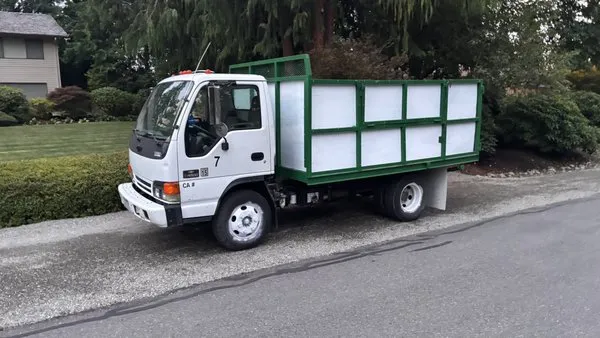
Primed Landscaping is a locally owned and operated business serving Maple Valley and the surrounding communities. Founded by owner Josh Boynton, who started the company with just a few years of amateu...
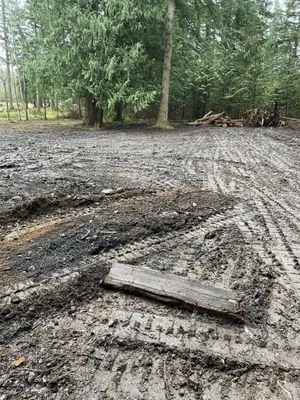
Stealth Landscaping is a Black Diamond, WA, landscaping company dedicated to solving the specific outdoor challenges faced by local homeowners. We understand that our region's climate and terrain lead...
KC Landscaping is a trusted, full-service landscaping company serving Auburn, WA, and the surrounding areas. We specialize in comprehensive landscape design, construction, and maintenance, offering ev...
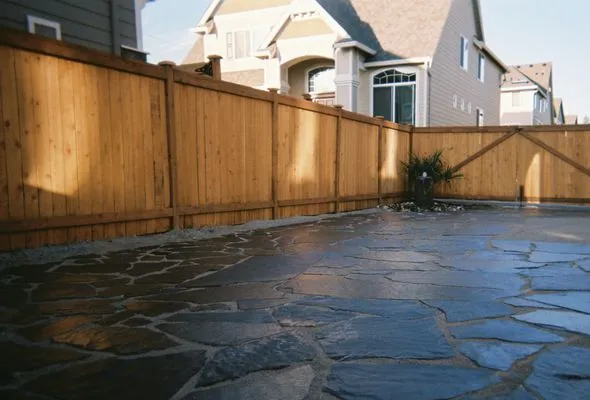
Earthscapes has been serving Woodinville, WA since 2002, providing comprehensive landscaping solutions to enhance outdoor living spaces. As a licensed and insured company, we specialize in landscape d...
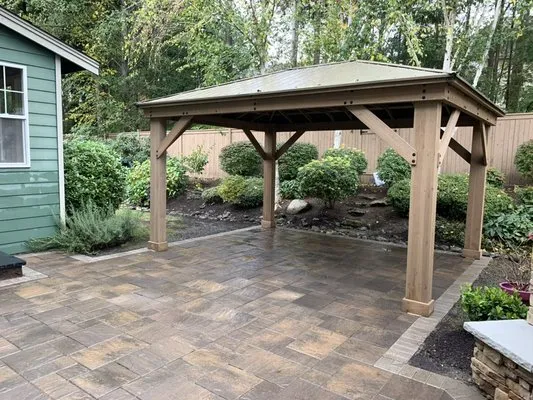
Brian Uriarte brings over a decade of hands-on landscaping experience to every project in Kent. After working with multiple local companies for more than ten years, he founded B's Landscapes to combin...
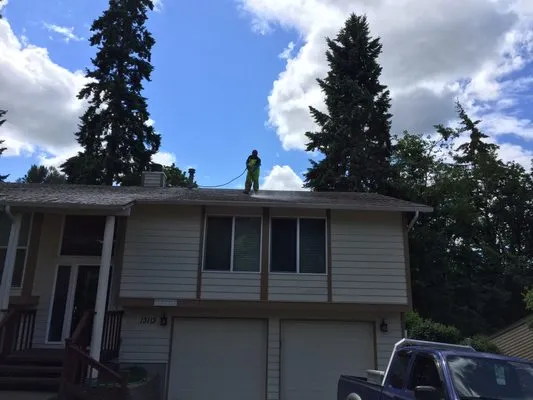
RB Landscaping Service
RB Landscaping is a full-service landscaping company serving homeowners and businesses in Renton, WA. We specialize in creating and maintaining beautiful, functional outdoor spaces, from comprehensive...
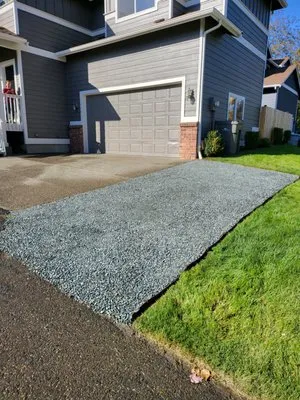
Tin's Landscaping is a Renton-based company providing comprehensive outdoor services for both residential and commercial properties. We offer a full spectrum of care, from routine lawn mowing, edging,...
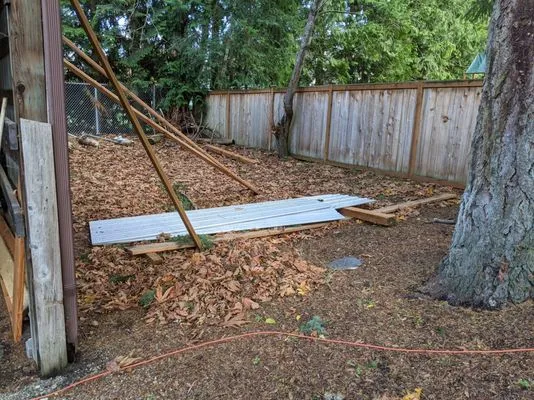
GM Nelson Enterprises is your trusted local partner for property transformation in Duvall. Owner and operator Gary, a lifelong Washingtonian, brings a deep understanding of the local terrain and a gen...
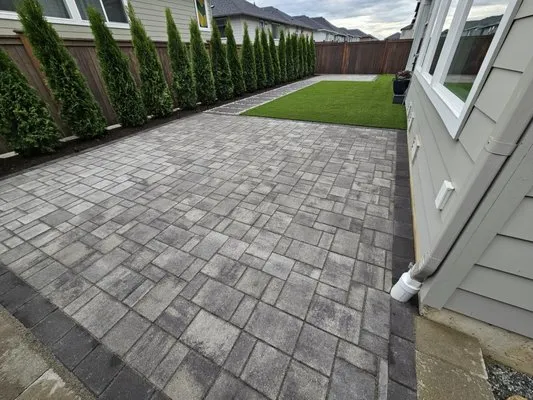
Erick Petersen, owner of Pacific Turf Northwest, is a Washington native with over a decade of hands-on experience in landscaping and synthetic turf. His passion for durable, lasting craftsmanship is a...
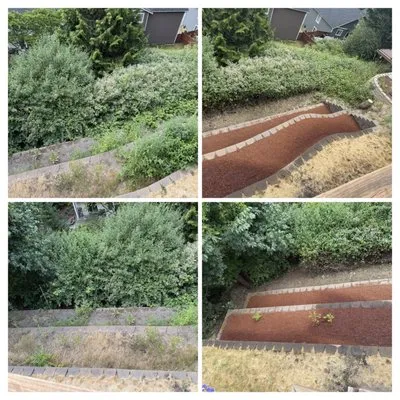
Home Garden Landscaping in Shelton, WA, specializes in tackling the everyday outdoor challenges local homeowners face. Our team is experienced in managing the common issues of overgrown shrubs and cle...
Estimated Landscaping Service Costs in Fall City, WA
Questions and Answers
What drainage solutions work best for Fall City's high water table and seasonal saturation issues?
The combination of acidic alluvial sandy loam and seasonal saturation requires integrated drainage approaches. Permeable concrete and crushed basalt hardscapes allow water infiltration while meeting King County Department of Local Services runoff standards. French drains with clean gravel and perforated pipe redirect subsurface water away from structures. Grading should maintain a minimum 2% slope from foundations toward drainage swales or rain gardens. These systems work together to manage the high water table characteristic of Fall City's floodplain geography.
How do smart irrigation systems help maintain healthy turf during Stage 1 water restrictions in Fall City?
Smart Wi-Fi controllers with soil moisture sensors optimize water use by applying precise amounts based on actual soil conditions and evapotranspiration rates. These systems typically reduce water consumption by 30-50% compared to traditional timers while maintaining perennial ryegrass and fine fescue health. During Stage 1 voluntary conservation, this technology allows compliance without turf stress by preventing both overwatering and underwatering. The sensors adjust schedules automatically for rainfall and temperature changes, ensuring efficient water distribution across your 0.35-acre property.
What permits and licenses are required for grading and drainage work on my 0.35-acre Fall City property?
Grading exceeding 50 cubic yards requires a permit from King County Department of Local Services - Permitting Division, with specific requirements for erosion control and stormwater management. Contractors must hold Washington State Department of Labor & Industries registration with appropriate bonding and insurance. For drainage systems affecting water flow patterns, additional review ensures compliance with county runoff standards. On 0.35-acre lots, even moderate grading can trigger permit requirements due to Fall City's sensitive floodplain and alluvial soil conditions, making professional licensing verification essential.
Why does my Fall City Center yard have such compacted, acidic soil that struggles to support healthy turf?
Fall City Center properties average 52 years of development since 1974, creating mature but compacted soil profiles. The acidic alluvial sandy loam (pH 5.5-6.2) common here naturally compacts over decades of foot traffic and equipment use, reducing soil percolation and oxygen availability to roots. Core aeration every 2-3 years combined with organic amendments like composted bark or leaf mold addresses this by improving soil structure and microbial activity. This approach is particularly effective for perennial ryegrass and fine fescue blends that thrive in well-aerated, slightly acidic conditions.
How quickly can you respond to emergency storm damage cleanup for HOA compliance in Fall City?
Emergency storm response typically requires 20-30 minutes during peak conditions from our dispatch at Fall City Community Park. Crews travel via WA-202 to reach Fall City Center neighborhoods efficiently, prioritizing safety hazards like downed limbs or blocked access. We coordinate with HOA representatives to document damage and implement immediate cleanup protocols. This rapid response minimizes liability risks while restoring property functionality within community standards.
Why choose crushed basalt over wood for hardscaping in Fall City's moderate fire risk areas?
Crushed basalt and permeable concrete provide superior longevity and fire resistance compared to wood in WUI Zone 2 compliance areas. These non-combustible materials maintain defensible space requirements while withstanding Fall City's wet-dry cycles without rotting or warping. The angular interlock of crushed basalt creates stable surfaces that resist erosion from seasonal saturation. For moderate fire-wise rated properties, these materials reduce fuel loads near structures while providing durable pathways that require minimal maintenance over decades.
What native plant alternatives reduce maintenance while preparing for potential electric equipment mandates?
Replacing high-maintenance turf areas with Western red cedar understory plants like salal, sword fern, Oregon grape, and red-flowering currant creates resilient landscapes. These natives require minimal irrigation once established and support local biodiversity beyond 2026 standards. This transition reduces mowing frequency and fuel consumption, positioning properties ahead of potential gas-blower restrictions under evolving noise ordinances. The deep root systems of these plants also improve soil structure and drought tolerance compared to traditional turf grasses.
How should I manage invasive species like Himalayan blackberry without violating Washington's fertilizer regulations?
Targeted manual removal combined with approved organic herbicides effectively controls invasives while complying with Revised Code of Washington 15.54 phosphorus-free requirements. For Himalayan blackberry, cut canes at ground level in late summer and treat regrowth with glyphosate alternatives during active growth periods. Avoid treatments during blackout dates typically from October through February when soil absorption is limited. Regular monitoring and immediate removal of new invaders prevents establishment while maintaining soil health through mycorrhizae-supporting native plant communities.
