Top Landscaping Services in Fairwood, WA, 98058 | Compare & Call
There are 185 landscaping companies server in Fairwood WA
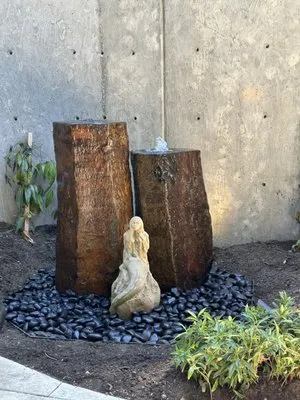
Florentino Landscaping is a family-owned Seattle landscaping company with two generations of experience transforming outdoor spaces. Specializing in comprehensive landscaping, hardscaping, and lightin...
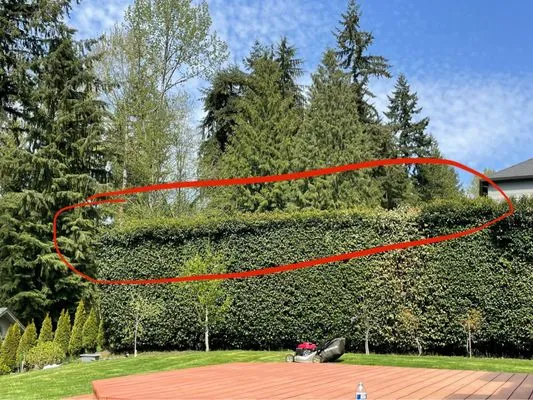
Luis Landscaping is a Seattle-based, full-service landscaping company dedicated to enhancing and preserving the natural beauty of local properties. We specialize in addressing common Pacific Northwest...
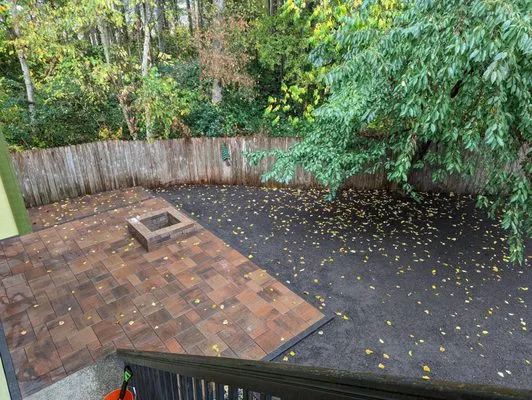
L&S Landscape is a licensed landscaping and hardscaping company serving Marysville, WA, and surrounding Snohomish and King Counties. We specialize in comprehensive outdoor solutions, from initial desi...
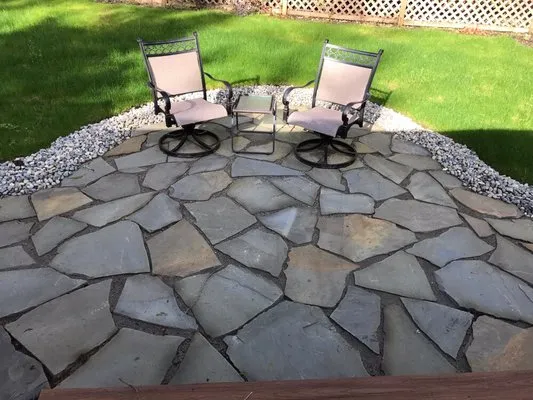
Fresh Roots Landscaping in Renton, WA, is an owner-operated company built on a foundation of deep local expertise and hands-on experience. Founder Denny grew up working in his father's landscaping bus...

Alberto's Landscaping brings over 17 years of hands-on expertise to Seattle properties, combining a decade of running their own business with seven prior years of professional training. This depth of ...
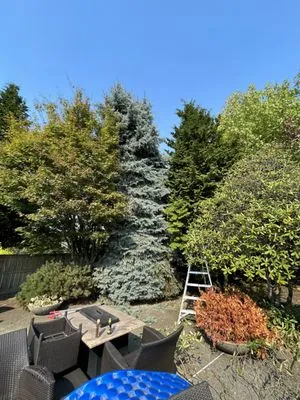
Down to Earth Landscaping, Inc. is a Bellevue-based landscaping company built on over 40 years of local roots and hands-on experience. Owner John started his journey right here in the Vuecrest neighbo...
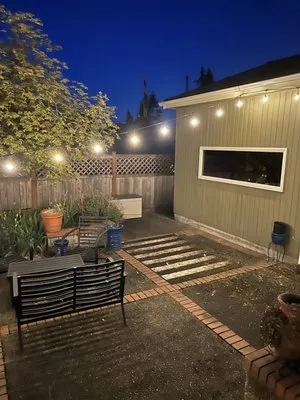
Urban Jungle was founded by Duy, a Seattle landscaper with over a decade of hands-on experience. His journey began working alongside his family in the trade, where he developed a deep, practical under...
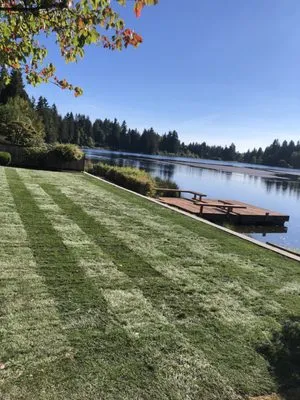
Mr. Ho's Gardening & Landscaping
Mr. Ho's Gardening & Landscaping is a local Des Moines business dedicated to creating and maintaining beautiful, functional outdoor spaces. We specialize in personalized garden care, thoughtful landsc...
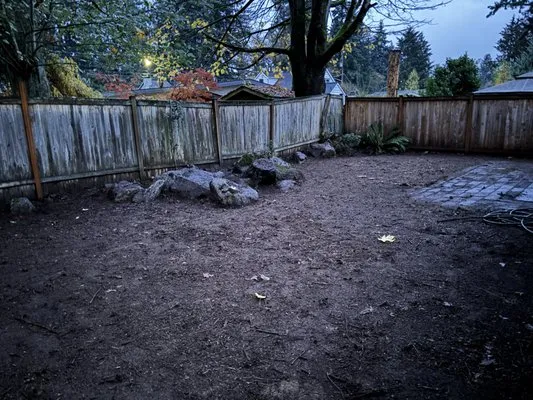
DH Hauling and Demo is a Seattle-based, locally-owned company dedicated to transforming properties through comprehensive demolition, hauling, and landscaping services. Founded in the heart of the city...
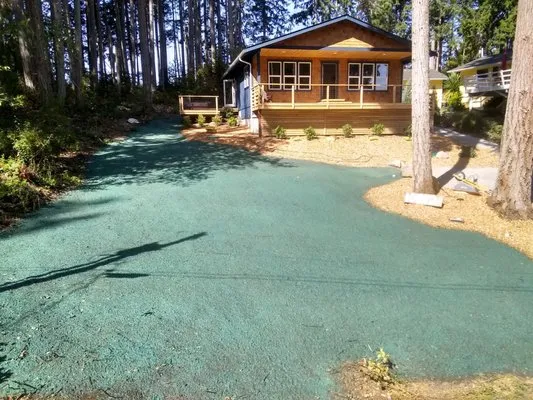
Seattle Hydroseeding was founded in 2009 with a single 500-gallon machine and a commitment to reliable service at a reasonable price. Through a focus on quality work and customer satisfaction, we've s...
Estimated Landscaping Service Costs in Fairwood, WA
Frequently Asked Questions
We've noticed English Ivy taking over a wooded corner of our lot. How do we remove it safely and what should we plant after?
English Ivy is a high-priority invasive that can degrade soil health and kill mature trees. Manual removal, ensuring all roots are extracted, is the most effective first step. For extensive infestations, a targeted foliar application of a glyphosate-based herbicide in late summer may be necessary, applied carefully to avoid non-target species. Per Washington state law (RCW 15.54.500), any fertilizer used in the rehabilitation phase must be phosphorus-free. After removal, replant with aggressive native groundcovers like Sword Fern or Salal to prevent reinvasion.
A major windstorm just knocked down a large limb in our yard, and our HOA requires cleanup within 48 hours. How quickly can a crew get here for an emergency?
An emergency crew can be dispatched from our staging area near Fairwood Park. The route north via WA-169 (Maple Valley Highway) provides the most direct access to Fairwood Greens. Accounting for post-storm traffic and debris, our peak storm response window is 25 to 40 minutes from dispatch to arrival. We coordinate with local traffic advisories to prioritize routes for downed-tree removal, using our fully electric fleet which complies with all hours-of-operation noise ordinances.
Our backyard becomes a soggy mess every spring and doesn't dry out for weeks. What's the long-term solution for Fairwood's clay soils?
Seasonal saturation is common here due to a poorly drained clay subsoil layer beneath the glacial till. The fundamental solution is to improve subsurface permeability. Installing a network of perforated drain pipe in gravel-filled trenches, tied to a daylight outlet or dry well, is the most effective strategy. For any new patios or walkways, specifying permeable concrete pavers is critical. This system manages runoff on-site and will help your project meet the King County Department of Local Services - Permitting Division's updated stormwater management standards.
With Stage 1 water conservation in effect, how can we keep our perennial ryegrass lawn green without wasting water?
Smart Wi-Fi soil moisture sensor controllers are the standard for efficient irrigation under voluntary conservation. These systems bypass scheduled watering if soil moisture is adequate, directly responding to evapotranspiration (ET) rates. This technology can reduce outdoor water use by 20-30% while preserving the root zone health of your cool-season grass mix. Programming the system to water deeply and infrequently, ideally in the early morning, aligns with both turfgrass physiology and municipal water stewardship goals.
We want to regrade a sloping portion of our 0.22-acre lot to prevent water from pooling near the foundation. Do we need a permit?
Yes, significant regrading on a 0.22-acre lot typically requires a permit from the King County Department of Local Services - Permitting Division. The review ensures the work does not negatively impact stormwater flow for neighboring properties or create erosion hazards. Furthermore, any contractor performing this work must be registered with the Washington State Department of Labor & Industries. This licensing is mandatory for excavation and grading projects and provides you with recourse and insurance protection, which is critical for work that alters the fundamental drainage pattern of your property.
We're tired of weekly mowing and gas blower noise. What's a quieter, lower-maintenance alternative to our lawn?
Transitioning high-input turf areas to a landscape of Pacific Northwest natives like Salal, Red Flowering Currant, Sword Fern, and Pacific Rhododendron significantly reduces maintenance. These plants are adapted to our acidic soils and require no supplemental water once established, no weekly mowing, and minimal fertilization. This conversion also future-proofs your property against increasing restrictions on gas-powered equipment. An established native planting bed provides year-round structure, habitat, and requires only seasonal pruning with quiet, electric tools.
We're adding a patio and are deciding between wood decking and pavers. Which is better for longevity and fire safety in Fairwood?
Permeable concrete pavers offer superior longevity and lower lifetime maintenance compared to wood, which requires regular sealing and is susceptible to rot in our wet seasons. From a fire safety perspective, pavers are a non-combustible material and contribute directly to creating the defensible space required in Fairwood's Moderate (WUI Zone 2) Fire Wise rating. A paver patio, when designed with gaps filled with gravel or sand, also addresses our core drainage hazard by allowing water to infiltrate, whereas a solid deck merely deflects runoff.
We just moved to Fairwood Greens and the lawn looks thin and tired. Our house was built in the 1980s like many here. What's likely going on with the soil?
Homes in Fairwood Greens built around 1980 sit on acidic glacial till, a soil that has been compacted by construction and decades of foot traffic. With a soil age of over 40 years, the organic matter has been depleted, reducing water infiltration and nutrient availability. The pH range of 5.5-6.2 is suitable for some natives but can lock up phosphorus for turfgrass. Core aeration followed by a top-dressing of compost is the primary correction, which will improve soil structure and stimulate microbial activity without immediately altering the pH.
