Top Landscaping Services in Everson, WA, 98247 | Compare & Call

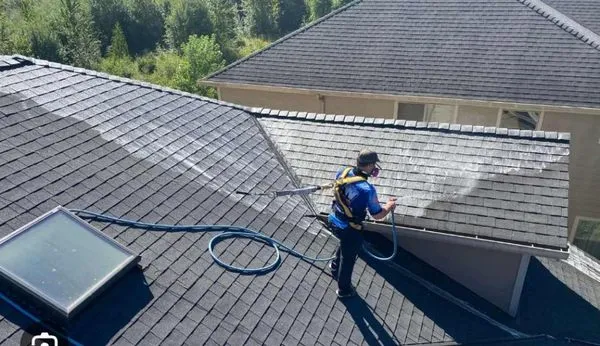
Green Garden Landscaping is a dedicated local partner for homeowners and businesses across Whatcom County, including Everson, Lynden, Bellingham, Sumas, and Ferndale. Our focus is on building successf...
Carey, owner of Hansen Handywoman Services, is your trusted local professional in Everson, WA. She provides reliable, high-quality services for homeowners and property managers, covering everything fr...
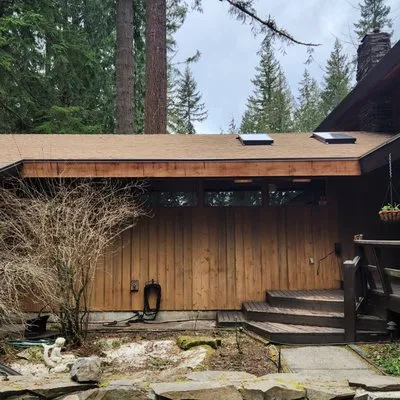
Green Stone Roofing Landscape is your trusted, full-service contractor in Everson, WA, specializing in roofing, landscaping, and fencing to enhance and protect your property. We understand the unique ...

Lewis Landscape And More is a trusted, locally-owned landscaping company serving Everson, WA, and the surrounding communities. We understand the specific challenges Whatcom County homeowners face, fro...

PNW Landscaping & Yard Care is a trusted local provider of professional landscaping services for Everson, WA, and the surrounding Pacific Northwest. We focus on reliable, detail-oriented care for both...

Trulawn Lawn Care Services
Trulawn Lawn Care Services is your local Everson expert for maintaining a healthy, beautiful yard. We understand that many homes in our area face common landscaping challenges like uneven sprinkler co...
Serving the Everson community, J&N Lawn Care, Disposal and More is your local expert for a healthier, more resilient yard. We understand the specific challenges homeowners face here, from persistent w...
Frequently Asked Questions
My yard stays soggy long after rain stops. What's a lasting solution that also meets city standards?
Persistent saturation is a known challenge due to Everson's high seasonal water table and dense silt loam soils, which have slow percolation. A primary solution is regrading to create positive surface flow away from foundations and installing French drains. For any new patios or walkways, specifying permeable concrete pavers is required; they allow stormwater to infiltrate onsite, meeting the Everson Planning & Building Department's runoff management standards and directly mitigating the local drainage hazard.
I want to reduce lawn mowing and gas-powered maintenance. What are the best native plants for a low-input landscape?
Transitioning to a native plant palette is the most effective long-term strategy. Species like Salal, Red Flowering Currant, Western Sword Fern, and Douglas Spirea are adapted to Zone 8a and Everson's acidic soils, requiring minimal water once established and no chemical fertilizers. This approach dramatically reduces the need for weekly mowing and gas-powered blowing, future-proofing your property against potential tighter noise ordinances. It also enhances local biodiversity and provides critical habitat, aligning with 2026 ecological landscaping standards.
Is a wood deck or a paver patio a better long-term choice for my backyard, considering fire safety?
Permeable concrete pavers offer superior longevity and lower lifetime maintenance compared to wood in Everson's damp climate. From a fire-wise perspective, pavers are a non-combustible material that contributes to defensible space, which is a consideration for Moderate (WUI Zone 2) rated areas. A properly installed paver patio requires no sealing, staining, or rotting board replacement, and its permeability supports the local mandate for managing stormwater runoff onsite, an advantage wood decking cannot provide.
I've spotted what looks like Japanese knotweed. How should I handle invasive species without breaking local fertilizer rules?
Correct identification is the first critical step, as similar-looking natives like Douglas Spirea are beneficial. For confirmed invasive species like knotweed, mechanical removal and targeted, systemic herbicide applications by a licensed professional are necessary. These treatments must be carefully timed and applied, ensuring they do not coincide with local fertilizer blackout dates or violate the phosphorus ordinance. Never add phosphorus unless a certified soil test from the current growing season confirms a deficiency, which is rare in this region.
If a storm damages my property and I need an emergency cleanup to meet HOA standards, how quickly can a crew arrive?
For an emergency storm response in the Everson City Center, a crew can typically be dispatched within 20-30 minutes during peak conditions. The standard route originates from our central staging area near Riverside Park, proceeding north via State Route 9. This allows for rapid deployment with electric-powered equipment to comply with noise ordinances while addressing immediate safety hazards like downed limbs and debris blocking drainage paths.
What permits and contractor qualifications are needed to regrade and reshape my 0.22-acre lot?
Significant grading work on a 0.22-acre parcel typically requires a permit from the Everson Planning & Building Department to ensure compliance with drainage and erosion control codes. Crucially, the contractor must hold specific licensing through the Washington State Department of Labor & Industries for excavation and earthmoving. This licensing verifies they carry the necessary bonding and insurance, protecting you from liability. Always request and verify this license number before any contract begins, as standard landscaping licenses may not cover major grading operations.
How can I maintain a healthy lawn during Everson's Stage 1 water restrictions without wasting water?
Wi-Fi ET-based weather-sensing irrigation is the definitive solution for balancing lawn health with conservation. This technology automatically adjusts watering schedules in real-time based on local evapotranspiration data, ensuring your Perennial Ryegrass and Kentucky Bluegrass blend receives precise moisture. It eliminates overwatering, which is crucial for Everson's seasonally high water table, and keeps usage well within voluntary conservation limits. Properly programmed systems can reduce water use by 20-30% compared to traditional timers.
The soil in my yard feels compacted and tired. Is this common for homes in the Everson City Center area?
Yes, this is a typical soil condition for homes built around 1985, indicating approximately 41 years of development-related compaction. Everson's native acidic silt loam is prone to settling and reduced permeability over time, especially in established neighborhoods. Core aeration every 2-3 years is critical to break up compaction, followed by top-dressing with compost to rebuild organic matter. This process directly addresses the low pH range of 5.8-6.2, improving nutrient availability without immediately requiring lime amendments.
