Top Landscaping Services in Everett, WA, 98201 | Compare & Call
There are 202 landscaping companies server in Everett WA
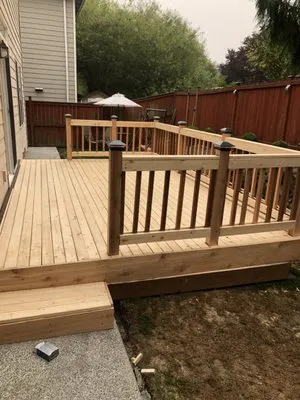
A Living Art Landscaping is a family-owned landscaping company serving Everett, WA, and surrounding areas. With years of experience, we specialize in transforming outdoor spaces through comprehensive ...
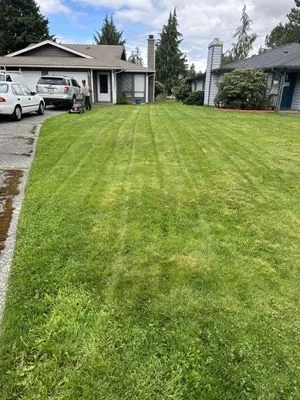
Gio’s Landscaping is a family-owned and operated business serving Everett, WA, and surrounding Snohomish and King County communities. Founded by Giovanni and Asucena (Susy) Figueroa, the company combi...
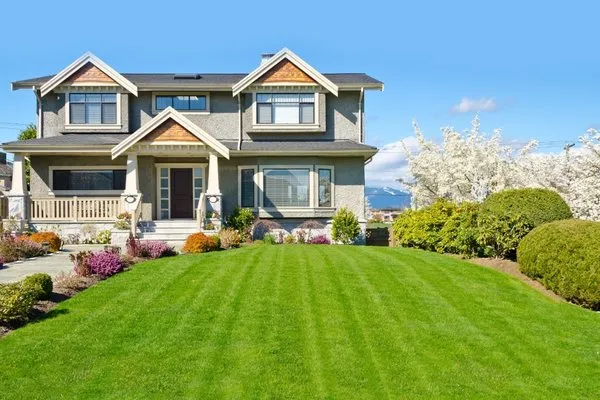
Shawn's Lawns is a trusted local lawn care and gardening service based in Everett, WA. We understand the specific challenges Everett homeowners face, such as lawn fungus diseases and soil compaction, ...
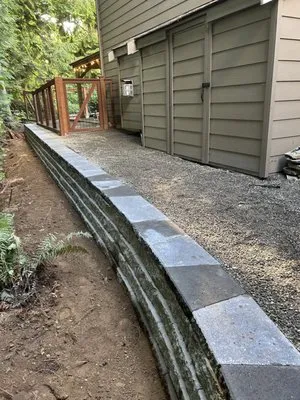
Top Tier Landscape & Construction is a full-service landscaping and hardscaping company serving Snohomish, WA, and the surrounding areas. We understand the unique challenges of local properties, from ...
A1A Landscaping Lawn Care is a trusted local provider in Everett, WA, specializing in comprehensive lawn services to address common landscaping challenges faced by homeowners in the area. Many Everett...
Jireh Repair & Gardening
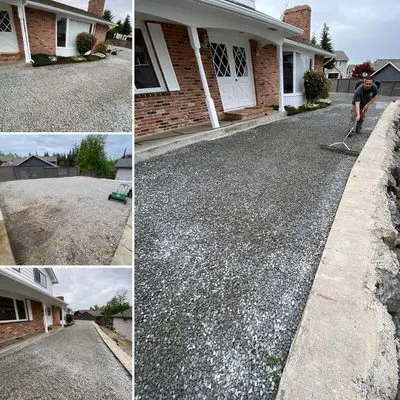
Jireh Repair & Gardening is your trusted local partner in Snohomish for keeping your property safe, powered, and beautiful. We specialize in generator installation and repair to ensure you're prepared...
Crane Landscape Service is a trusted, locally-owned landscaping company serving Everett and the surrounding Snohomish County area. We specialize in comprehensive lawn and shrub care, offering everythi...

Cook Brothers Landscaping is a locally owned and operated landscaping company serving Everett, WA, and surrounding areas. Founded in 2014 by Brandon Cook, the company brings over nine years of profess...

Nature’s Touch Landscaping is a family-owned business in Granite Falls, WA, with deep roots in the community. Founded by Joshua, who brings over 20 years of experience in agriculture, gardening, and l...

San Blas Landscapers is a trusted local landscaping company serving Everett, WA, and the surrounding communities. We specialize in addressing common landscaping challenges faced by homeowners in our a...
Estimated Landscaping Service Costs in Everett, WA
Common Questions
Are permeable pavers better than wood for patio longevity?
Permeable concrete pavers offer 25+ year lifespans with minimal maintenance, compared to wood's 10-15 year replacement cycle in our damp climate. Their non-combustible nature supports Moderate Fire Wise ratings by creating defensible space around structures. Proper installation with geotextile fabric and angular gravel base prevents settling while maintaining 80-90% permeability rates for stormwater management.
What alternatives reduce maintenance as noise ordinances tighten?
Replacing high-maintenance turf with native plants like salal, sword fern, and oceanspray creates resilient landscapes requiring minimal gas-powered equipment. These species thrive in USDA Zone 8b with established root systems that suppress weeds naturally. Transitioning to electric maintenance fleets aligns with emerging noise regulations while supporting 2026 biodiversity standards through habitat creation for local pollinators.
What solutions prevent seasonal saturation in my yard?
High seasonal saturation in acidic glacial till requires French drains or dry wells to redirect water from foundation areas. Permeable concrete pavers installed with proper base layers increase infiltration rates by 40-60% compared to solid surfaces. These systems meet Everett Planning and Community Development runoff standards while addressing silt-loam compaction through strategic grading that creates positive drainage away from structures.
Why does my North Everett lawn struggle despite regular care?
Properties built around 1980 have acidic glacial till soil that has matured for 46 years, developing silt-loam compaction that restricts root growth. This soil type naturally maintains a pH of 5.5-6.5, which limits nutrient availability for turf grasses. Core aeration with organic amendments like composted bark improves soil structure and microbial activity. Regular soil testing every 2-3 years helps monitor pH levels and guides appropriate lime applications.
How quickly can you respond to storm damage for HOA compliance?
Emergency cleanup crews dispatch from the Everett Public Library area, taking I-5 to reach North Everett neighborhoods within 20-30 minutes during peak conditions. This response time accommodates fallen branch removal and debris clearing to meet most HOA 48-hour compliance windows. Crews carry electric chainsaws and battery-powered blowers to work within standard decibel limits while addressing immediate hazards.
How do I control invasive species without violating fertilizer rules?
Manual removal of Himalayan blackberry and English ivy during dry periods prevents regrowth without chemical treatments. For persistent infestations, targeted glyphosate applications in fall avoid Puget Sound nutrient management blackout dates from October through February. Establishing competitive native groundcovers like red flowering currant creates biological barriers that resist reinvasion while supporting soil mycorrhizae networks.
How do I maintain my lawn during voluntary water conservation?
Wi-Fi ET-based weather sensing controllers adjust irrigation schedules using real-time evapotranspiration data, reducing water use by 15-25% compared to traditional timers. These systems preserve perennial ryegrass/Kentucky bluegrass blends by delivering water only when soil moisture sensors indicate need. Programming deep, infrequent watering cycles encourages deeper root growth and drought tolerance while staying within Stage 0 conservation guidelines.
What permits and licenses are needed for grading my 0.15-acre lot?
Grading exceeding 50 cubic yards requires an Everett Planning and Community Development permit with engineered drainage plans. Contractors must hold Washington State Department of Labor & Industries registration with specialty endorsements for excavation work. On 0.15-acre lots, even minor regrading can trigger critical area reviews if slopes exceed 15%, necessitating professional geotechnical assessment before proceeding.
