Top Landscaping Services in Elma, WA, 98541 | Compare & Call

There are 83 landscaping companies server in Elma WA
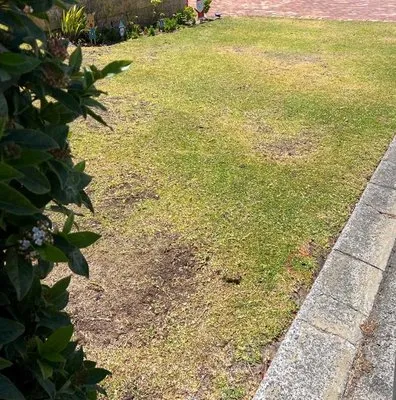
For Michele and the team at Broadmoor Lawn Services, every Seattle lawn is a canvas. Our approach is built on a simple principle: meticulous care and a deep understanding of Pacific Northwest conditio...
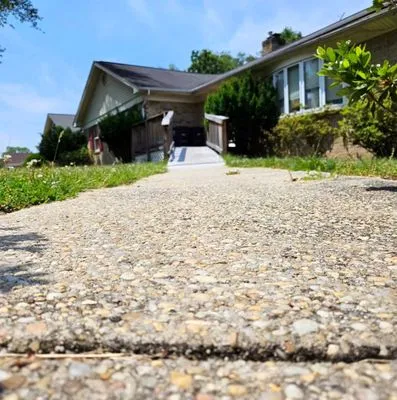
Newport Lawn Care is a Seattle-based lawn service provider founded by Luke, whose background in landscape architecture and horticulture forms the core of the business. With a hands-on, professional ap...
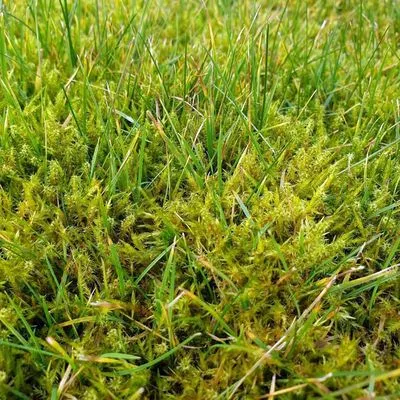
Kimberly leads Montlake Lawn Care with a focus on exceptional service and eco-friendly practices. Her deep experience in lawn care and commitment to sustainability make her a key part of our Seattle-b...
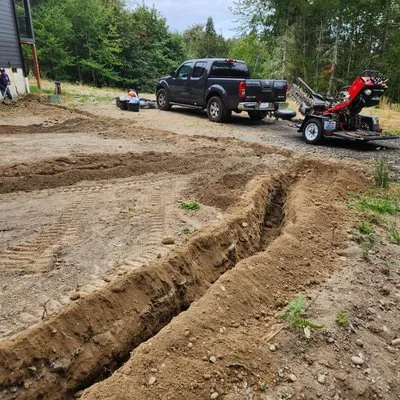
Green Leaves Tree Service and Landscaping LLC is your Shelton-based partner for a complete range of tree care and landscape construction needs. We are a fully licensed, bonded, and insured general con...

Diversified Excavation Work Corp. is a licensed, bonded, and insured excavation and site development company serving Silverdale, WA, and the surrounding Kitsap County. We provide comprehensive service...
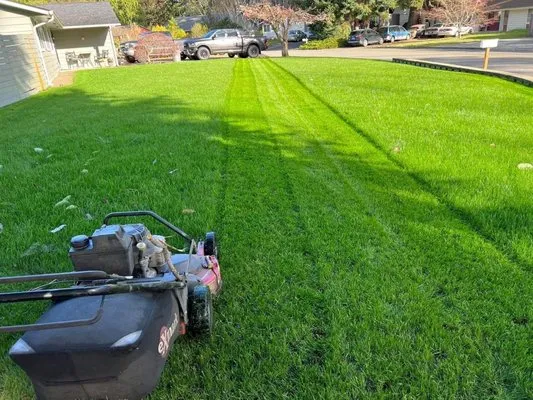
Green Ocean Landscaping is a full-service landscaping company serving Belfair, WA, and surrounding areas since 2013. We specialize in residential landscaping, offering a comprehensive range of service...
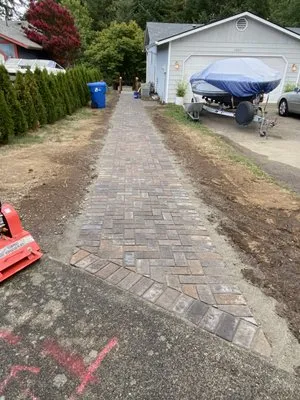
Since 2015, FTI Painting & Landscaping has been a family-operated, licensed general contractor dedicated to transforming indoor and outdoor spaces for Shelton homeowners. Led by Lucio, a professional ...
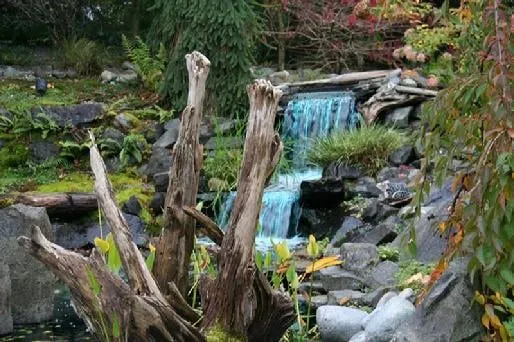
LaBouff Landscape
LaBouff Landscape is a family-owned business rooted in Olympia, WA, with over four decades of combined experience in the industry. Our journey began when founder Joshua LaBouff started mowing lawns in...
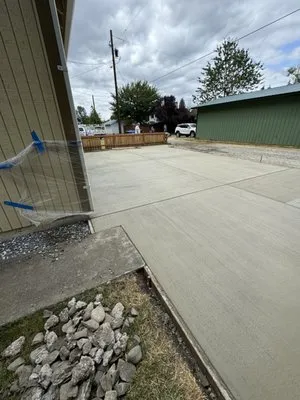
Concrete Masters has been a trusted, locally-owned provider of concrete, masonry, and outdoor construction services in Centralia and surrounding areas for over three decades. We are a fully licensed, ...
Mortstar Industries is a trusted Auburn-based contractor specializing in both landscaping and general construction. Serving homeowners across the South Sound, we address common local landscaping chall...
Estimated Landscaping Service Costs in Elma, WA
Common Questions
My yard turns into a seasonal wetland every spring. What's the solution?
This is a classic symptom of Elma's high water table and the poor permeability of wet Silt Loam. To manage seasonal saturation, we design grading plans that direct surface water away from foundations and into bioswales. Installing permeable hardscapes, like Crushed Basalt paths or Permeable Concrete Pavers, increases ground infiltration and can help your project meet the City of Elma Planning Department's stormwater runoff standards for new installations.
Is crushed basalt a better choice than wood chips for a new patio area?
For longevity and fire resilience, Crushed Basalt is superior. Unlike wood mulch, which decomposes and requires annual replenishment, basalt is a permanent, inert mineral that provides excellent drainage and weed suppression. In Elma's Moderate (WUI Zone 2) fire risk area, using non-combustible materials like basalt for patios and pathways contributes to defensible space by creating a fuel break, a key consideration for landscape planning in our region.
Can you respond quickly for an emergency storm cleanup to avoid HOA violations?
Yes. For a property in Downtown Elma, our standard dispatch originates near Elma City Park. Using US-12, we can typically navigate to most neighborhood addresses within a 20-30 minute window, even during peak post-storm traffic. Our crews are equipped for immediate debris removal, branch chipping, and site stabilization to meet urgent compliance deadlines and restore property safety.
How do I keep my lawn green without wasting water or violating restrictions?
Elma currently has no municipal water restrictions (Stage 0), but conservation is critical. We program Smart Wi-Fi ET-based controllers with on-site moisture sensors to irrigate your Perennial Ryegrass and Fine Fescue blend only when needed. This system calculates daily evapotranspiration (ET) rates, automatically adjusting runtime to apply precisely the water lost, which can reduce usage by 20-40% compared to traditional schedules while maintaining turf health.
Why does my soil seem so compacted and acidic compared to my neighbor's garden?
Elma's Downtown lots, built around 1975, have soil approximately 50 years in development. Acidic Silt Loam (pH 5.5-6.2) is common here, resulting from decades of conifer needle decomposition and limited soil disturbance. This natural acidity suits natives but can lead to compaction and poor nutrient availability for turf. We recommend annual core aeration in fall and amending with a pH-neutral, organic compost to improve soil structure and microbial activity.
Why does my contractor need a special license to regrade my quarter-acre lot?
Significant grading or earthwork on a 0.25-acre property alters drainage patterns and can impact neighboring parcels. In Washington, such work typically requires a contractor registered with the Department of Labor & Industries, and the project plan often needs review by the City of Elma Planning Department to ensure compliance with erosion control and stormwater management codes. Hiring an unlicensed individual for this work can result in fines, voided insurance, and unresolved drainage issues.
How do I deal with invasive weeds like Scotch Broom without harsh chemicals?
Invasive species like Scotch Broom and Himalayan Blackberry are prevalent here. For safe, effective control, we employ a combination of manual removal, targeted cut-stump treatment with approved herbicides, and smothering with heavy mulch. All applications strictly adhere to Elma's Phosphorus-free fertilizer mandate and are timed outside of sensitive seasonal blackout periods to protect local waterways and soil biology.
I want to reduce mowing and gas equipment noise. What are my options?
Transitioning high-maintenance turf areas to a palette of native plants like Salal, Red Flowering Currant, and Western Sword Fern significantly reduces the need for weekly mowing and blowing. This xeriscaping approach aligns with evolving noise ordinance trends by minimizing gas-powered equipment use. Once established, these deep-rooted natives require minimal irrigation and create a resilient, biodiverse landscape that supports local pollinators.
