Top Landscaping Services in Eastmont, WA, 98208 | Compare & Call
There are 203 landscaping companies server in Eastmont WA
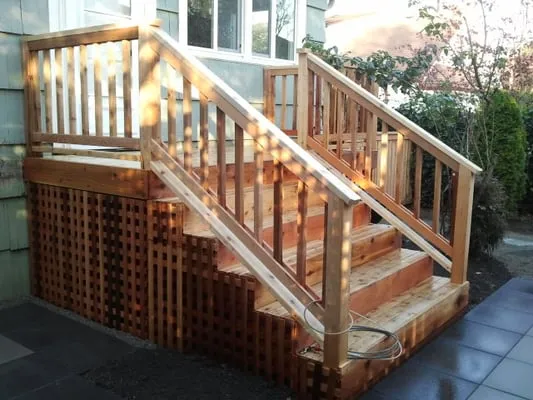
ProTech General Contractor is your trusted Everett-based partner for transforming outdoor spaces and building quality structures. We specialize in landscaping and general contracting, helping homeowne...
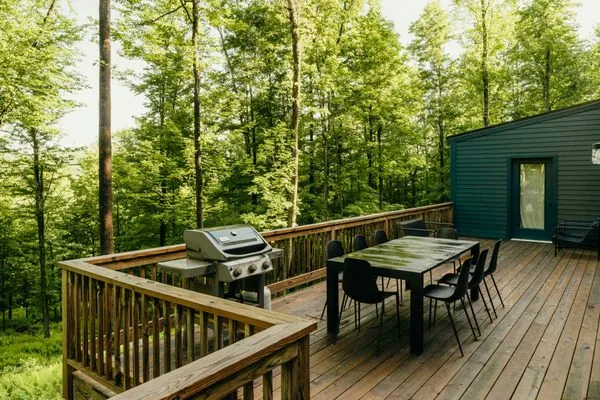
Dino Decking is your local Everett partner for decks, fences, and yards. We approach every project with a commitment to quality materials and careful craftsmanship, building custom decks and strong, d...
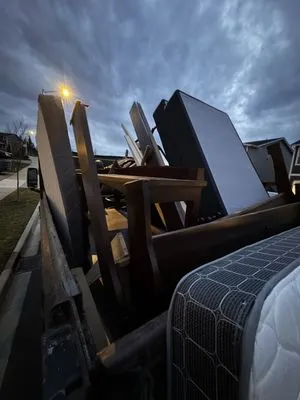
Gonzalez Junk Removal and Hauling
Gonzalez Junk Removal and Hauling is a locally owned and operated business in Lake Stevens, WA, founded by a team of friends with years of hands-on experience. We started from humble beginnings, drive...
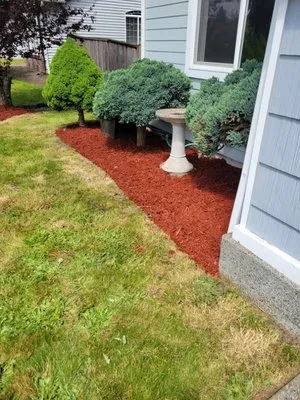
HR Landscaping Services in Marysville, WA is a local, family-oriented business built on over two decades of hands-on experience. Owner Hector Rodriguez brings a unique background, having worked in und...
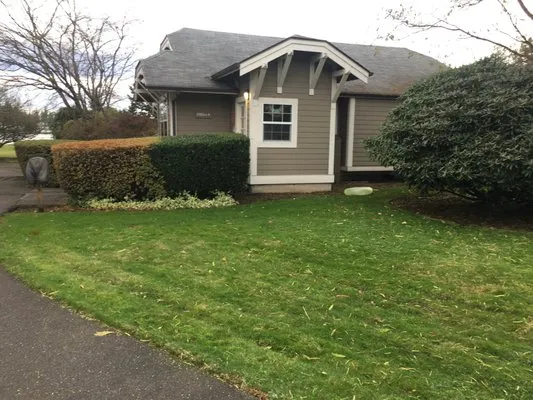
Loeza Landscaping provides essential outdoor solutions for homeowners in Everett, WA. We understand the unique challenges of our climate, including seasonal storms that leave behind debris and yards p...
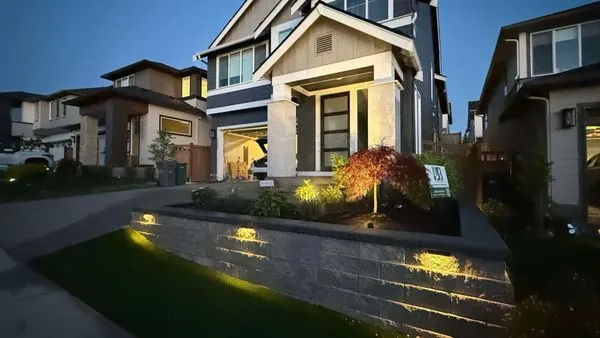
B&B Landscaping Services is a Snohomish-based, licensed contractor with over a decade of experience serving the greater Snohomish and King County area. Founded in 2014, we specialize in transforming o...
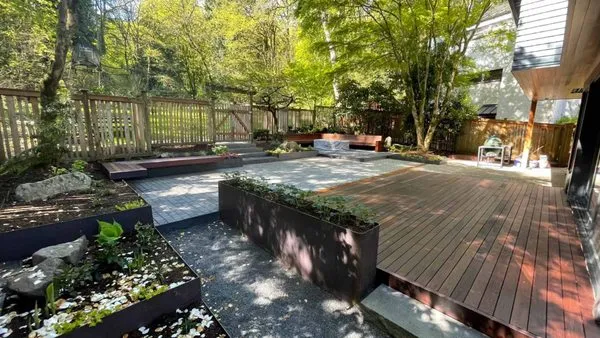
Millennium Landscape & Construction
Millennium Landscape & Construction is a Snohomish-based company with deep roots in the community, originally founded as Calluna's Gardens in 2001. Led by Heather, who combines business management and...
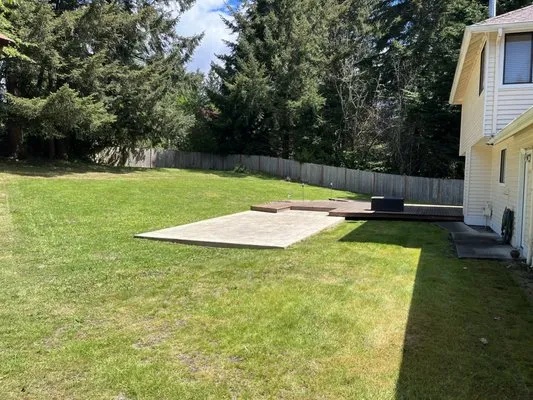
Navarrete Landscape Services is a licensed Everett landscaping company providing comprehensive care for residential and commercial properties across the Puget Sound region. We build and maintain healt...
Evermist Construction & Landscaping is a trusted local contractor serving Everett, WA, and the surrounding Snohomish County area. We specialize in tackling the landscaping challenges common to our reg...
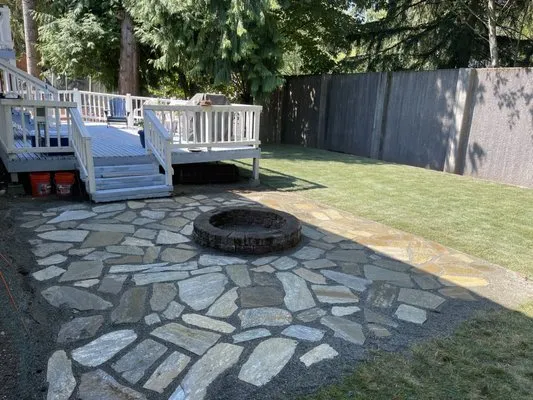
Lucas Landscapes & Design, LLC is a trusted landscaping and hardscaping provider serving the outdoor needs of Snohomish and King County, including the Tulalip community. We specialize in a comprehensi...
Estimated Landscaping Service Costs in Eastmont, WA
Common Questions
I have a storm-damaged tree and need an emergency cleanup to meet HOA rules. How quickly can a crew arrive?
For an emergency HOA compliance call, our dispatch from the Eastmont Community Park depot allows for a 20-30 minute response during peak hours. The route utilizes US-2 for the most direct access to Eastmont Heights. Crews are equipped for immediate debris management and safety mitigation. This timeline accounts for standard traffic while ensuring we operate within the city's 8:00 AM to 7:00 PM noise ordinance window.
Are Basalt Stone patios a better choice than wood decks for my property?
For longevity and reduced maintenance in Eastmont's climate, Basalt Stone is a superior choice. It is non-combustible, providing a permanent defensible space component that supports your property's Moderate (WUI Zone 2) Fire Wise rating. Unlike wood, it requires no sealing, staining, or replacement due to rot. Its inherent durability and permeability also contribute to better site drainage and long-term value retention.
My yard has soggy areas in spring and runoff during heavy rain. What's the best fix?
Moderate runoff and a seasonal high water table are typical challenges for Silt Loam soils in our topography. The solution integrates subsurface drainage like French drains with surface grading to direct water away from foundations. Replacing impervious surfaces with permeable Basalt Stone paver systems can significantly reduce runoff volume, often helping projects meet the Eastmont Planning & Building Department's updated stormwater management standards.
What permits and contractor credentials are needed to regrade my backyard?
Regrading a 0.22-acre lot typically requires a permit from the Eastmont Planning & Building Department to ensure compliance with drainage and erosion control codes. Crucially, any contractor performing this work must be registered with the Washington State Department of Labor & Industries. Hiring a licensed, bonded, and insured professional is non-negotiable for protecting yourself from liability related to significant earth movement and potential impacts on neighboring properties.
I've spotted invasive Himalayan Blackberry and Scotch Broom. How do I remove them safely?
Himalayan Blackberry and Scotch Broom are pervasive invasive species that outcompete natives. Effective removal requires a multi-year strategy of cutting, digging out root crowns, and smothering with heavy mulch. For chemical control, use a targeted, systemic herbicide applied precisely to foliage, strictly following label instructions. Note that these treatments must avoid the local fertilizer ordinance's prohibition on phosphorus, which does not apply to these selective herbicides.
How can I keep my lawn green during summer while following the city's water conservation request?
Under Stage 1 voluntary conservation, efficient water use is critical. A Wi-Fi ET-based weather-sensing irrigation system is the definitive solution. It automatically adjusts runtime by calculating daily evapotranspiration (ET) rates, applying only the precise moisture needed. This technology sustains a Kentucky Bluegrass/Fine Fescue blend by preventing overwatering, which is a common cause of shallow roots and disease, while strictly adhering to municipal water budgets.
Is there a lower-maintenance, eco-friendly alternative to my high-input lawn?
Transitioning to a climate-adaptive landscape centered on native plants like Serviceberry, Douglas Aster, and Red-flowering Currant is a forward-looking strategy. These species require minimal supplemental water once established and provide critical habitat, supporting 2026 biodiversity goals. This approach also reduces dependency on gas-powered maintenance, aligning with the trend toward electric equipment mandated by evolving noise ordinances.
Why does my soil seem so compacted and lifeless compared to older neighborhoods?
Eastmont Heights homes, built around 1989, have soil about 37 years into its urban development cycle. Construction compaction and decades of standard maintenance have degraded the native structure of our Silt Loam. This soil type, with a pH of 6.8, becomes easily compacted, restricting root growth and water percolation. Annual core aeration and the incorporation of composted organic matter are not optional; they are essential to rebuild soil biology and porosity for long-term landscape health.
