Top Landscaping Services in Des Moines, WA, 98148 | Compare & Call
There are 188 landscaping companies server in Des Moines WA
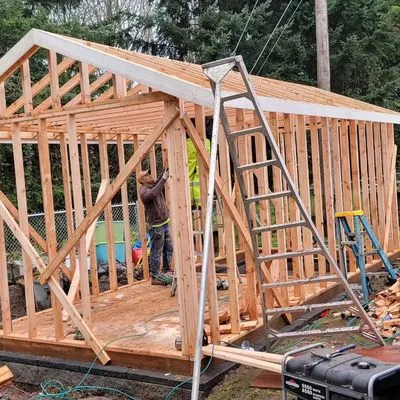
LMS Landscapes & Fence Services has been transforming outdoor spaces in Auburn and surrounding communities since 2014. As a licensed landscape construction company, we specialize in comprehensive outd...
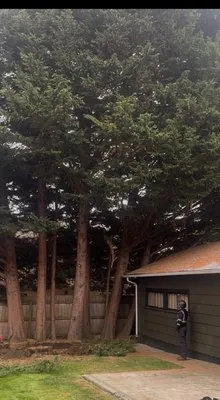
Diego's Landscaping & Tree Service is a full-service landscaping company serving Bellevue, WA, specializing in landscaping, tree services, and masonry/concrete work. We help local homeowners transform...
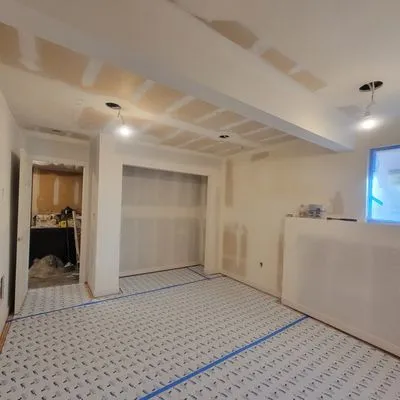
Hearth & Home Remodeling
Hearth & Home Remodeling is a family-owned contractor serving Seattle with comprehensive home construction, design, and remodeling services. As a unified team of general contractors, landscapers, and ...
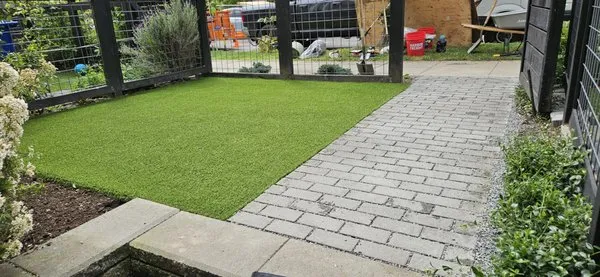
PNW Turf N More is your trusted Lake Stevens landscaping partner specializing in artificial turf, comprehensive landscaping, and masonry/concrete services. We help homeowners tackle common local chall...
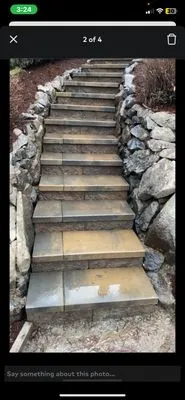
Two Friends Landscaping
Two Friends Landscaping is a family-owned business serving Seatac, WA, with comprehensive landscaping and outdoor construction services. We specialize in artificial turf installation, deck and patio c...
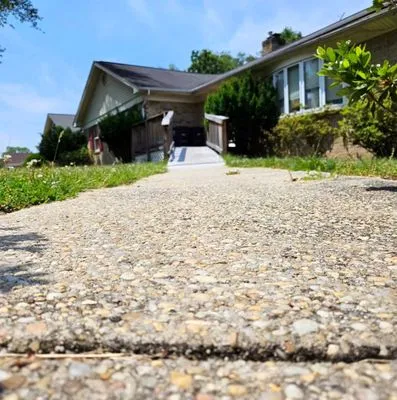
Newport Lawn Care is a Seattle-based lawn service provider founded by Luke, whose background in landscape architecture and horticulture forms the core of the business. With a hands-on, professional ap...
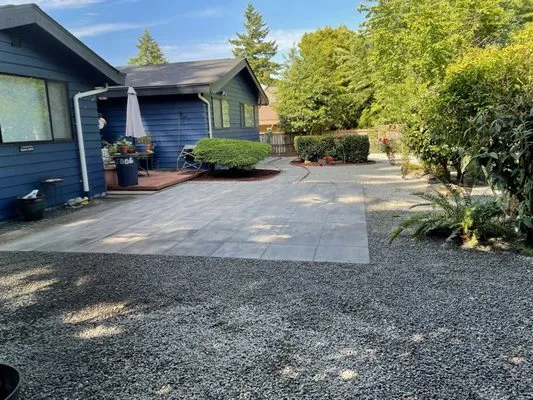
Northeast Landscaping Service
Northeast Landscaping Service has been serving Renton, WA, and surrounding communities for over 23 years, providing reliable landscaping and lawn care solutions. Our team specializes in a comprehensiv...
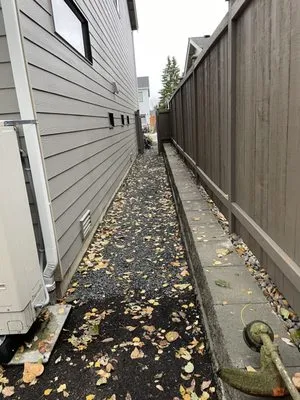
Mendoza Landscaping was founded on a passion for gardening and a drive for independence. Based in Monroe, WA, owner Juan Mendoza started the business to build a reliable service focused on client sati...
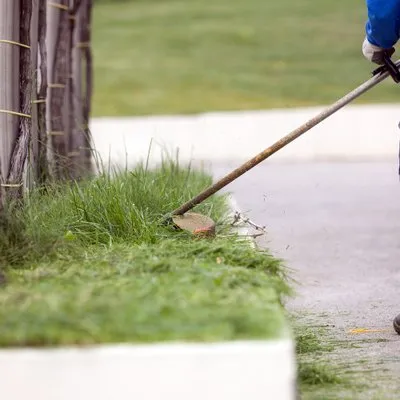
Limitless Outdoor Services is a Seattle-based landscaping company built on a foundation of six years of hands-on local experience. We focus on providing reliable, high-quality work for every project, ...
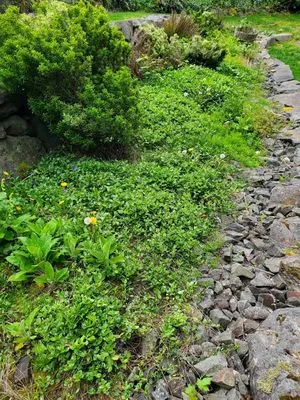
Small Guy Landscaping & Junk Removal is a Kent, WA-based business founded in 2020 by a passionate, hardworking owner who started with just a lawn mower, trimmer, and leaf blower. Through dedication to...
Estimated Landscaping Service Costs in Des Moines, WA
FAQs
How fast can you respond to an emergency like storm debris or an HOA violation notice?
For urgent calls from the Marina District, crews dispatch from our central yard near Des Moines Beach Park. Using I-5, peak traffic response is 25-40 minutes. We prioritize safety and compliance, with protocols for securing downed limbs and immediate site triage. Our fleet includes electric equipment compliant with the city's 7am-9pm noise ordinance for after-hours work when necessary.
Our yard stays soggy for days after rain. What's the solution?
Saturated clay subsurface common in Des Moines creates high runoff. The primary fix is improving soil permeability through deep-tine aeration and adding coarse sand amendments. For hardscape areas, replacing impervious surfaces with permeable concrete pavers is recommended. This system meets Des Moines Planning, Building & Public Works Department standards for managing stormwater runoff on-site.
What are low-maintenance alternatives to our high-water-use lawn?
Transitioning to a climate-adaptive landscape with natives like Salal, Western Sword Fern, and Red Flowering Currant reduces water, mowing, and chemical inputs. These plants are adapted to acidic glacial till and our Zone 8b climate. This approach also future-proofs your property against evolving noise ordinances targeting gas-powered blowers and mowers, aligning with a shift to electric maintenance fleets.
How should we handle invasive weeds like English Ivy or Himalayan Blackberry?
Manual removal is most effective for invasive species; chemical controls require careful selection to comply with the city's no-phosphorus fertilizer ordinance. Treatment timing is critical to avoid blackout dates and protect nearby waterways like Puget Sound. For severe infestations, a soil test can identify specific nutrient deficiencies, allowing for a targeted, legal amendment strategy that supports native plant re-establishment.
What permits and licenses are needed for regrading our backyard?
Significant grading on a 0.19-acre lot typically requires a permit from the Des Moines Planning, Building & Public Works Department to ensure proper stormwater management. The contractor must be licensed and bonded through the Washington State Department of Labor & Industries. This licensing is mandatory for excavation work that alters drainage patterns or involves structural changes, protecting you from liability and substandard work.
Why is the soil in our yard so compacted and acidic?
Properties built around 1973, like those in the Marina District, were graded on native acidic glacial till. Over 53 years, standard maintenance and foot traffic have compacted this soil, reducing percolation and exacerbating its natural pH of 5.5-6.2. Core aeration and incorporating organic compost are critical to improve soil structure and microbial activity. Without these amendments, turf and ornamental plants struggle to access nutrients and water effectively.
Are permeable pavers a better long-term choice than wood for a new patio?
Yes. Permeable concrete pavers offer superior longevity and require less maintenance than wood, which decays in our wet climate. Their design manages runoff, a key factor for drainage. For properties in Moderate Fire Wise WUI Zone 2, pavers also provide a non-combustible, defensible space material when installed with proper clearance from structures, enhancing both resilience and compliance.
How do we keep our lawn green during summer without wasting water?
Wi-Fi ET-based weather-sensing irrigation is the standard for water conservation under normal voluntary restrictions. This system schedules watering based on real-time evapotranspiration data, applying precise amounts only when needed. For a perennial ryegrass and fine fescue blend, this maintains turf health while staying well below municipal water use benchmarks. Properly calibrated zones prevent runoff on our dense clay subsurface.
