Top Landscaping Services in Crocker, WA, 98360 | Compare & Call

There are 209 landscaping companies server in Crocker WA
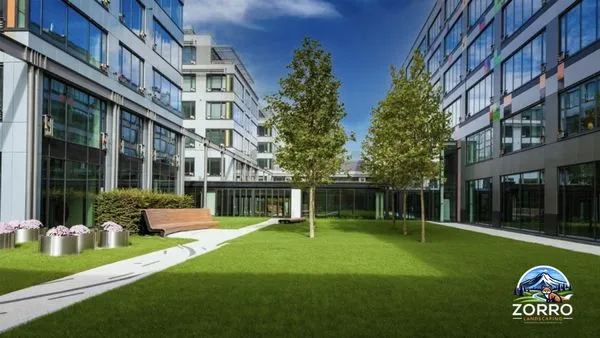
Zorro Landscaping
Zorro Landscaping in Lynnwood, WA provides comprehensive outdoor solutions for residential and commercial properties throughout the Seattle Metropolitan area. As a fully licensed and insured company, ...
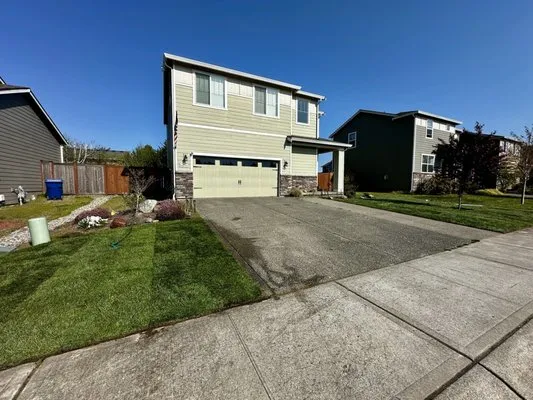
Tran's Landscaping & Gardening was founded in Spanaway by an owner who learned the trade from his father starting back in 1998. While the demanding schedule was challenging at first, a genuine passion...
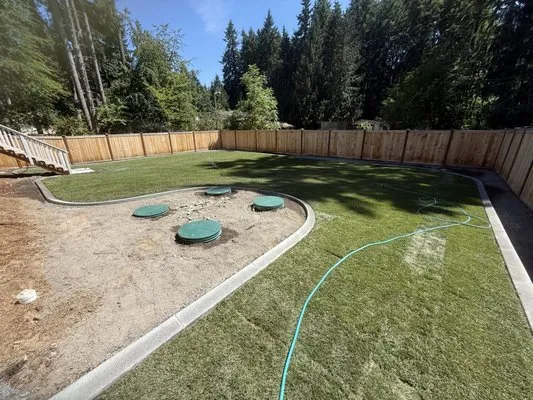
We do it 4 less
We Do It 4 Less is a family-owned landscaping, junk removal, and demolition service based in Puyallup, WA. We specialize in comprehensive property solutions, from interior and exterior demolition to j...
Salvador's Landscaping is a family-operated business serving Everett, WA, dedicated to transforming outdoor spaces with care and reliability. We specialize in a comprehensive range of services includi...
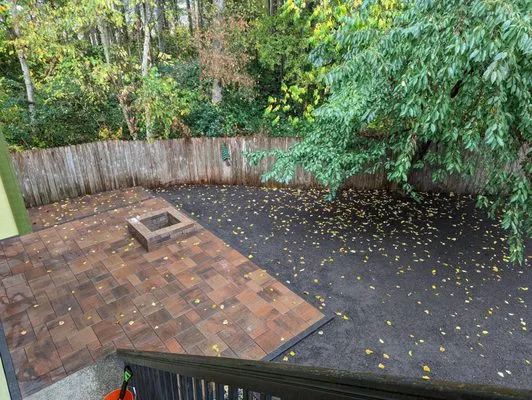
L&S Landscape is a licensed landscaping and hardscaping company serving Marysville, WA, and surrounding Snohomish and King Counties. We specialize in comprehensive outdoor solutions, from initial desi...
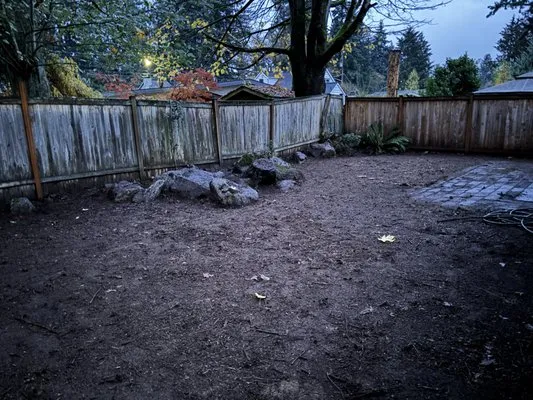
DH Hauling and Demo is a Seattle-based, locally-owned company dedicated to transforming properties through comprehensive demolition, hauling, and landscaping services. Founded in the heart of the city...
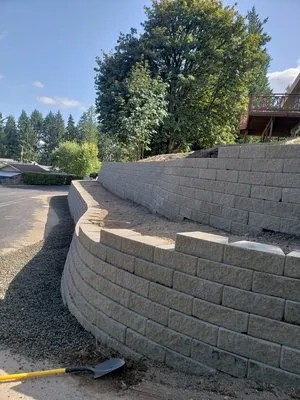
Everest Landscaping Services is a fully licensed and insured landscaping company serving Seattle, WA, with over a decade of hands-on experience transforming outdoor spaces. We specialize in a comprehe...
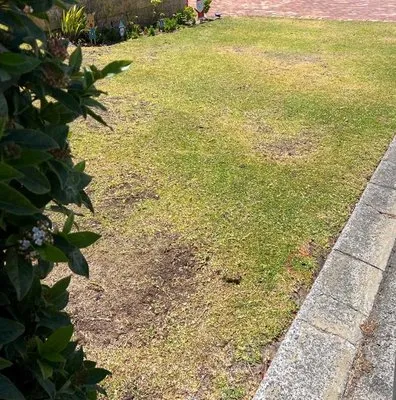
For Michele and the team at Broadmoor Lawn Services, every Seattle lawn is a canvas. Our approach is built on a simple principle: meticulous care and a deep understanding of Pacific Northwest conditio...
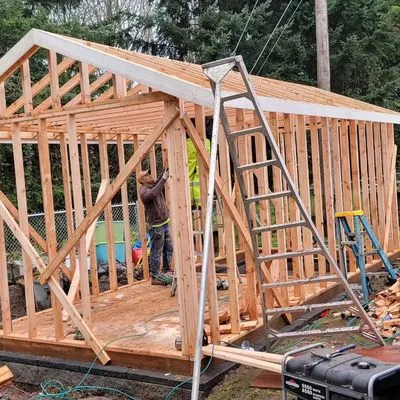
LMS Landscapes & Fence Services has been transforming outdoor spaces in Auburn and surrounding communities since 2014. As a licensed landscape construction company, we specialize in comprehensive outd...
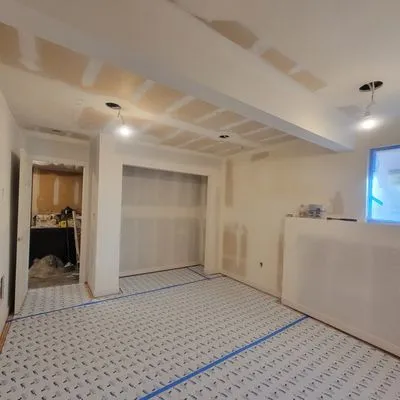
Hearth & Home Remodeling
Hearth & Home Remodeling is a family-owned contractor serving Seattle with comprehensive home construction, design, and remodeling services. As a unified team of general contractors, landscapers, and ...
Estimated Landscaping Service Costs in Crocker, WA
FAQs
How do we maintain our perennial ryegrass/fine fescue blend during Stage 1 water restrictions?
Wi-Fi ET-based smart controllers adjust irrigation to actual evapotranspiration rates, typically reducing water use 20-30% while preserving turf health. These systems integrate local weather data and soil moisture sensors to deliver 0.75-1 inch weekly during peak season. Proper programming maintains dormancy thresholds for fescue components while staying within voluntary conservation guidelines through precise zone scheduling.
What alternatives exist for reducing lawn maintenance while preparing for equipment regulations?
Replacing 30-50% of turf with Salal, Sword Fern, Red Flowering Currant, and Douglas Spirea creates biodiverse landscapes requiring minimal inputs. These natives thrive in Zone 8b with seasonal pruning only, eliminating weekly mowing and gas-powered equipment use. This transition supports 2026 biodiversity standards while establishing fire-resistant buffers compliant with WUI Zone 2 requirements.
What permits and licensing are needed for grading our 0.25-acre property?
Pierce County Planning & Public Works requires grading permits for any cut/fill exceeding 2 feet or affecting 500+ square feet. Washington State Department of Labor & Industries mandates contractor licensing for earthwork involving structural changes or drainage modifications. On quarter-acre lots, even modest regrading often triggers review due to potential runoff impacts on neighboring properties and municipal systems.
We're considering patio materials. How does basalt compare to wood for longevity and fire safety?
Permeable basalt pavers offer 50+ year lifespan versus wood's 15-25 years with regular maintenance. Basalt's non-combustible nature supports defensible space requirements for Moderate Fire Wise ratings, unlike wood decking that requires 30-foot clearance. The material's thermal mass moderates microclimates while its natural porosity (10-15%) manages runoff without additional drainage systems in Crocker's wet seasons.
Our Crocker Heights yard seems compacted and drains poorly. Is this typical for our neighborhood's soil?
Crocker Heights properties built around 1986 have 40-year-old soil profiles that show predictable degradation. Acidic silt loam (pH 5.8-6.2) common here becomes dense over decades, reducing percolation below 0.5 inches per hour. Core aeration every 2-3 years with compost amendments addresses this compaction while maintaining soil structure. Organic matter additions also buffer the acidic pH toward optimal 6.5 for most landscape plants.
We've spotted invasive English ivy and Himalayan blackberry. How should we treat them safely?
Manual removal during dry periods (May-September) prevents regrowth without violating phosphorus ban restrictions. Cut vines at base and carefully extract root systems, then apply 20% vinegar solution to cut stems for organic control. Monitor for Japanese knotweed, another regional invader, and report sightings to Pierce County extension. Proper disposal prevents spread while maintaining soil health through mechanical rather than chemical means.
We need emergency storm debris removal to meet HOA compliance deadlines. What's your response protocol?
Emergency cleanup crews dispatch from Crocker Community Park via SR-410, arriving within 25-35 minutes during peak conditions. We prioritize electric equipment for daytime noise ordinance compliance (7 AM-9 PM) while clearing fallen branches and drainage obstructions. This routing avoids residential bottlenecks while ensuring immediate site assessment and debris documentation for insurance purposes.
Our yard experiences seasonal saturation and runoff issues. What solutions work with our soil type?
Acidic silt loam's low permeability (0.1-0.3 in/hr) requires integrated drainage strategies. Permeable basalt pavers installed with 2-3% slope achieve 80-90% infiltration rates, meeting Pierce County runoff standards. French drains with clean gravel layers redirect subsurface water, while rain gardens planted with native species provide additional absorption capacity during winter saturation periods.
