Top Landscaping Services in Country Homes, WA, 99208 | Compare & Call
There are 185 landscaping companies server in Country Homes WA
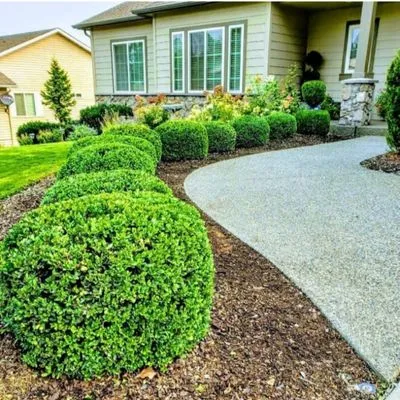
A Shrub Above is a Spokane-based landscaping and tree service company, owned and operated by a local expert who has spent his entire 26 years in the area and nearly seven in the landscape industry. Fo...
Bradley Lawn Care is a trusted, locally owned lawn service in Spokane, founded in 2017 by Robert Bradley. With over a decade of hands-on experience in the Spokane area, we understand the unique challe...

For 15 years, Premier Home Maintenance has served Spokane homeowners with reliable, quality work, built on a foundation of integrity and affordability. We take pride in completing every job to a stand...

Elite Property Services
Elite Property Services is a Spokane-based company offering comprehensive property solutions that combine expert junk removal with skilled landscaping and construction. We understand the specific chal...
Water Magic Pool and Spa is a family-owned Spokane pool installation company serving the community since 2005. We specialize in creating custom swimming pools and spas, offering a range of options inc...

Spokane Spray Service has been a trusted local provider for lawn, pest, and irrigation solutions in Spokane, WA, since 1994. We specialize in noxious weed control and prevention, irrigation system des...

River City Sprinklers is a trusted irrigation and landscaping company serving Spokane, WA. We specialize in comprehensive solutions including irrigation construction, design, repair, and maintenance, ...
Founded by Alex Jones in 2009, Jones Sprinklers has been a dedicated fixture in Spokane Valley's landscaping community. What began as a specialized sprinkler service has grown into a trusted local tea...

Handy Ma'am in Spokane is a unique, owner-operated service built on skill and a passion for teaching. Founded by a single professional with a deep curiosity for how things work, the business specializ...

Pacific Lawn & Pest is a locally owned and operated lawn care and pest control company serving Spokane Valley, WA, and surrounding communities since 2006. Founded by lifelong Spokane native Josh Demer...
Estimated Landscaping Service Costs in Country Homes, WA
Frequently Asked Questions
Do I need a permit to regrade my 0.35-acre lot, and what kind of contractor is required?
Significant grading or earthwork on a 0.35-acre property typically requires a review by the Spokane County Building and Planning Department to ensure drainage patterns aren't adversely affected. The contractor must be licensed through the Washington State Department of Labor & Industries, specifically registered for landscaping or excavation. This licensing ensures they carry the necessary bond and insurance. Always verify this credential and that they pull the appropriate permits to protect your property and comply with local codes.
How quickly can a crew respond for an emergency storm cleanup to meet HOA deadlines?
For urgent situations like storm debris or compliance notices, a crew dispatched from the Whitworth University area can typically reach Country Homes via US-395 in 25-35 minutes during peak hours. This estimated travel time accounts for traffic variables to ensure a prompt response. The team will assess the scope upon arrival and prioritize safety and code compliance. All work is coordinated to align with local noise ordinance windows for gas-powered equipment if necessary.
What are my options for a lower-maintenance, eco-friendly yard?
Transitioning from high-input turf to a landscape anchored by native plants like Serviceberry, Oceanspray, Lewis's Mock Orange, and Blanketflower significantly reduces water, mowing, and chemical needs. These plants are adapted to Zone 6b conditions and support local pollinators. This shift also future-proofs your property against evolving noise ordinances restricting gas-powered blowers and mowers. A layered planting design creates a resilient system that manages water on-site and enhances biodiversity.
Why does my lawn look compacted and thin compared to newer neighborhoods?
Country Homes Estates properties, built around 1969, feature 57-year-old landscapes on silt loam soil. Over decades, foot traffic and maintenance equipment have reduced soil permeability, creating a dense layer that restricts root growth and water infiltration. Core aeration is critical to break this compaction, allowing oxygen, water, and organic amendments to reach the root zone. Incorporating compost specifically addresses the native pH of 6.5-7.2 by boosting microbial life and improving soil structure for long-term turf health.
How can I keep my Kentucky Bluegrass lawn healthy during Stage 1 water conservation?
Under voluntary conservation, smart Wi-Fi soil moisture sensor controllers are essential. These systems use real-time evapotranspiration (ET) data and on-site probes to water only when the root zone needs it, preventing over-irrigation. This technology maintains the fine fescue mix in your lawn by applying deep, infrequent watering that encourages drought-tolerant root growth. It automatically adjusts for rainfall, ensuring you stay well within municipal guidelines while preserving turf quality.
My yard has soggy depressions every spring. What's the best long-term fix?
Moderate ponding in low-lying areas is common with silt loam soils due to their moderate drainage rate. A sustainable solution involves regrading to create positive surface flow away from foundations and installing subsurface French drains. For new patios or walkways, using the specified permeable concrete pavers or basalt stone set with open joints increases infiltration. This approach meets Spokane County runoff management standards by reducing impervious surface area and directing water appropriately.
Is basalt stone or a wood deck better for a new patio in our fire zone?
For durability and fire safety in this Moderate (WUI Zone 2) rating area, inorganic materials like basalt stone or permeable concrete pavers are superior. They provide a non-combustible, defensible space required near the home without the maintenance or decay of wood. These materials also handle freeze-thaw cycles better and have a far longer lifespan. Their installation supports the fire-wise goal of reducing flammable vegetation by creating stable, clean borders that are easy to maintain.
What's the safest way to control weeds without using banned fertilizers?
The statewide phosphorus ban for turf means soil health must be addressed through organic, slow-release nutrients and proper cultural practices. For invasive weeds like bindweed or knapweed, targeted spot-treatment with approved herbicides is followed by seeding competitive grasses. The most effective long-term strategy is a robust soil food web; applying mycorrhizal inoculants when planting helps natives outcompete weeds. Always check for local blackout dates before any application to ensure compliance.
