Top Landscaping Services in Cheney, WA, 99004 | Compare & Call

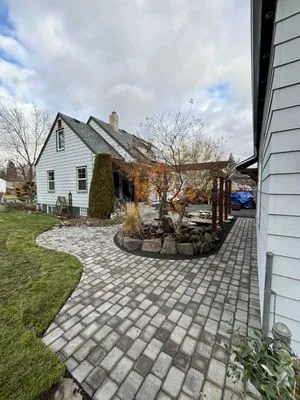
Lilac Mountain Landscapes
Lilac Mountain Landscapes is a Cheney, WA-based landscape construction company dedicated to building and maintaining custom outdoor spaces for Eastern Washington residents. As a local team, we underst...
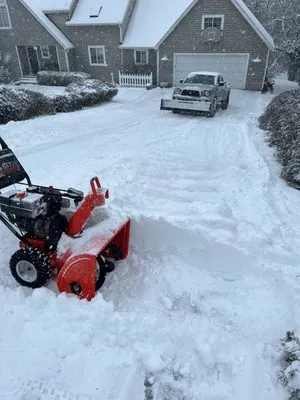
BuzzBee’s Lawn Care is your go-to Cheney neighbor for reliable, year-round property maintenance. I offer comprehensive services including lawn care, snow removal, gutter and roof cleaning, pressure wa...
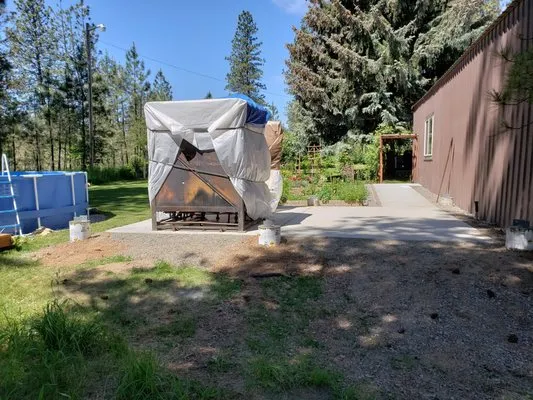
Horizontal Construction & Landscaping
Horizontal Construction & Landscaping in Cheney, WA, is a veteran-owned business built on a foundation of 18 years of construction experience. Founder Adam Haines, after 15 years of service in the Air...
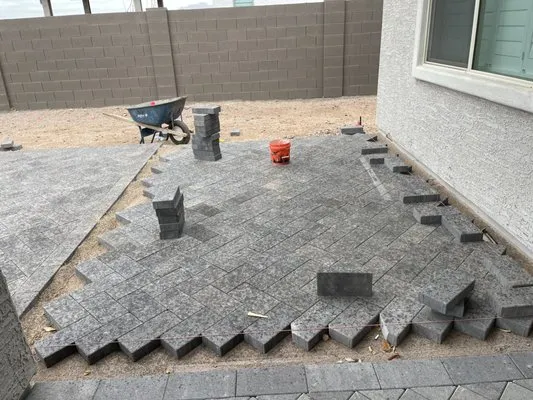
E&E Landscaping Installs Designs is a full-service landscaping contractor in Cheney, WA, specializing in bringing residential and commercial outdoor visions to life. From initial landscape design to f...
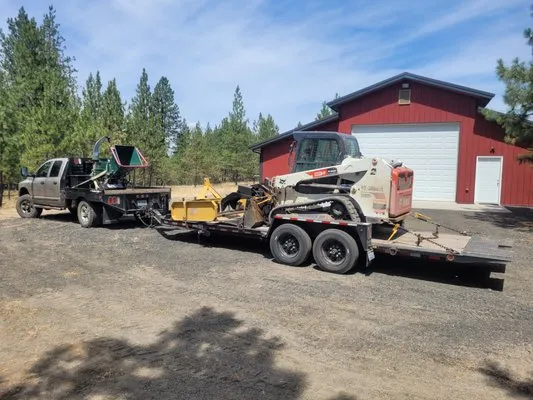
Taylord Farms Custom Services is a veteran-owned and operated business in Cheney, WA, with over 30 years of local experience. As a Licensed Contractor with the Washington State Department of Natural R...
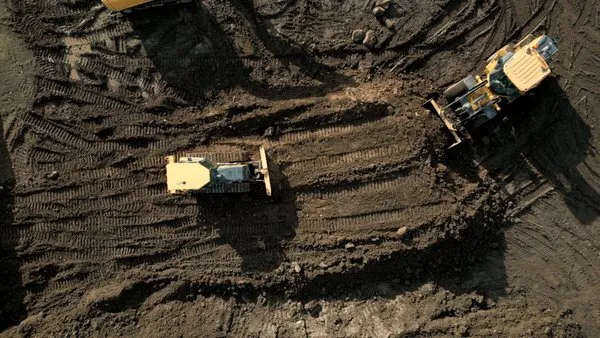
Dow Excavating is a family-owned excavation and landscaping business serving the Cheney and greater Spokane area since the late 1960s. Founded by Wally Dow and now operated by his son Wayne, the compa...
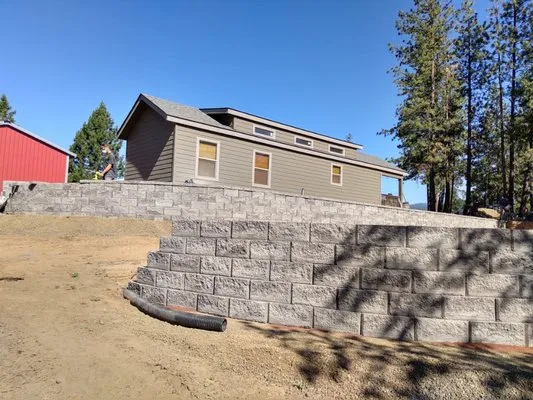
Trinity Landscaping is a dedicated Cheney-based landscaping company focused on solving the specific lawn and soil challenges common to our local climate. We specialize in diagnosing and treating bare ...
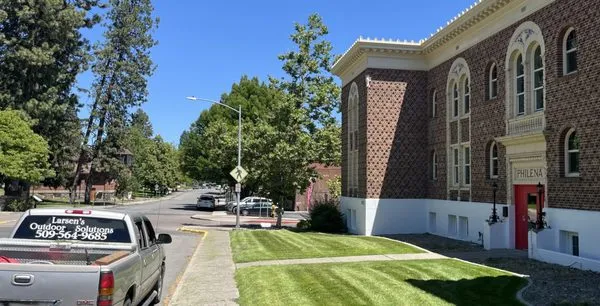
Larsen's Lawns is a locally owned and operated lawn care and landscaping business serving Cheney, WA. With over 15 years of hands-on experience, owner Tony Larsen founded the company to provide reliab...
Weavers Lawns is a trusted lawn care provider serving Cheney, WA, with specialized expertise in addressing common local landscaping challenges. We understand that many Cheney properties struggle with ...

Kings Landscaping is a locally owned and operated business dedicated to solving the common yard problems faced by homeowners in Cheney, WA. We understand the frustration of patchy, thin grass and the ...
Q&A
Do I need a permit to regrade my backyard, and what should I look for in a contractor?
Significant grading that alters drainage patterns or involves retaining walls over certain heights typically requires a permit from the Cheney Planning & Building Department. For a 0.22-acre lot, earthmoving may impact neighboring properties, triggering review. Any contractor performing this work must be registered with the Washington State Department of Labor & Industries and should carry specialty licensing for excavation or land development. Always verify this registration and request proof of insurance before work begins.
Why does my lawn have such poor drainage and look thin compared to others in the College District?
Properties built around 1988, common in Cheney, have soils approaching 40 years of development. The prevalent silt loam has likely become compacted from standard construction practices and routine foot traffic, reducing its natural permeability. This compaction impedes water infiltration and root growth, leading to the thin turf and seasonal ponding you observe. Core aeration followed by top-dressing with compost is the primary corrective measure to reintroduce pore space and organic matter, restoring soil function.
I want to reduce mowing, watering, and gas-powered noise. What are my options?
Transitioning sections of high-maintenance turf to a xeriscape with regionally native plants like Serviceberry, Bluebunch Wheatgrass, Lewis Mockorange, and Blanketflower is the most effective long-term strategy. These plants are adapted to local rainfall and soils, eliminating the need for frequent irrigation, fertilization, and weekly mowing. This shift preemptively reduces reliance on gas-powered blowers and mowers, future-proofing your landscape against potential municipal noise and emission ordinances.
Water pools in my backyard every spring. What's a permanent fix that also looks good?
Moderate ponding is a frequent issue in Cheney's glacial outwash soils where silt loam has limited permeability. A functional solution involves regrading to create subtle swales that direct water away from structures. Replacing solid surfaces with permeable basalt pavers or a patio of crushed basalt allows stormwater to infiltrate on-site. These strategies manage runoff effectively and often meet the Cheney Planning & Building Department's standards for reduced impervious surface coverage.
Are basalt pavers a better choice than wood for a new patio, considering Cheney's climate and fire risk?
Yes, basalt is superior for durability and fire resilience. Unlike wood, which requires regular sealing and decays over time, basalt pavers are inert, frost-resistant, and maintain integrity for decades. In Cheney's Moderate Wildland-Urban Interface (WUI Zone 2), using non-combustible materials like basalt for patios and pathways within the defensible space zone is a recommended Firewise practice. Crushed basalt also provides excellent permeability, aiding in stormwater management.
I've spotted what looks like invasive knotweed. How do I handle it legally and effectively?
Correct identification is critical; consult the Washington State Noxious Weed Control Board. For confirmed invasive species like knotweed, targeted herbicide application by a licensed professional is often necessary. Treatment must comply with the Washington State Fertilizer Law (Chapter 15.54 RCW), which includes observing any blackout dates for nitrogen applications to protect water quality. A multi-year management plan combining chemical and mechanical controls is typically required for complete eradication.
My HOA gave me a 48-hour notice for overgrown vegetation. How quickly can a crew respond?
A compliance crew can typically be dispatched within one business day. For a property in the College District, the route originates near Cheney City Hall, proceeds east on SR-904, and arrives within the standard 20-30 minute service window, barring exceptional peak traffic. The initial response focuses on bringing visible frontage areas into compliance, with a follow-up visit scheduled to address the entire 0.22-acre lot if necessary, ensuring all violation criteria are met.
How can I keep my Kentucky Bluegrass healthy during Cheney's Stage 1 water conservation?
Modern smart Wi-Fi controllers, programmed with local evapotranspiration (ET) data and paired with in-ground soil moisture sensors, are the solution. This system applies water only when and where the soil moisture deficit triggers a need, preventing overwatering. For Kentucky Bluegrass, this often means deeper, less frequent irrigation cycles that encourage robust root systems. This technology typically reduces water use by 20-40% while maintaining turf health, aligning perfectly with voluntary conservation goals.
