Top Landscaping Services in Chehalis, WA, 98532 | Compare & Call
There are 121 landscaping companies server in Chehalis WA
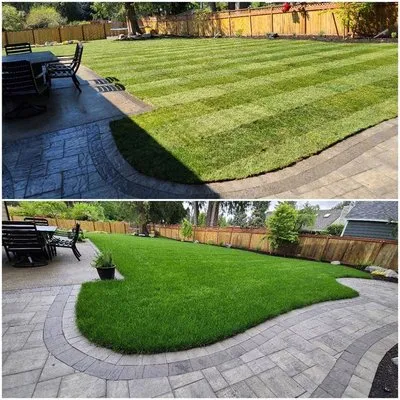
Blessing Day Landscaping is a Tumwater-based company dedicated to transforming and maintaining outdoor spaces. Our services are comprehensive, covering everything from initial landscape design and con...
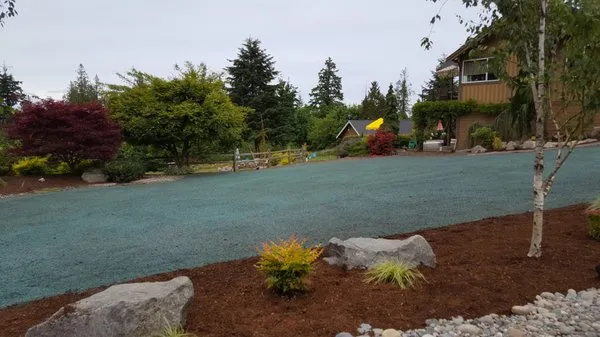
Olympia Hydroseeding is a locally owned and operated hydroseeding service based in Olympia, WA, serving the Olympia and Tacoma regions since 2009. Founded with a single 500-gallon hydroseeder in the B...
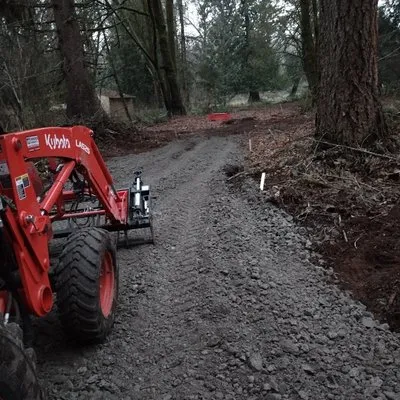
Affordable Tractorwork provides comprehensive landscaping and earthmoving solutions for Olympia homeowners. With a focus on efficiency and quality, we specialize in earthmoving and regrading to addres...
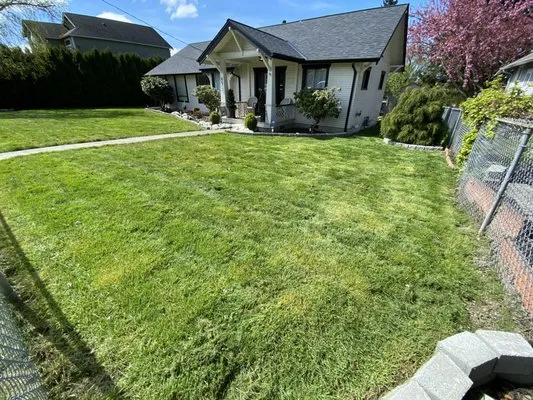
With 15 years of hands-on experience, Richard launched his own Lacey-based lawn care business in 2024, bringing a commitment to excellent, personalized service to every job. As a small, individually o...
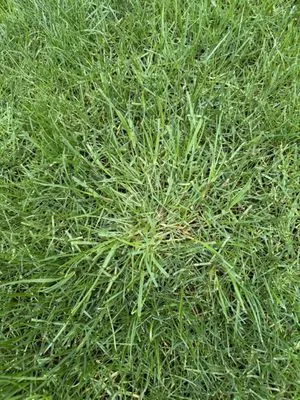
For over 45 years, SpringGreen has been Tumwater's trusted partner for a healthy, beautiful outdoor space. We combine our deep experience in lawn care, pest control, and tree services with a genuine u...
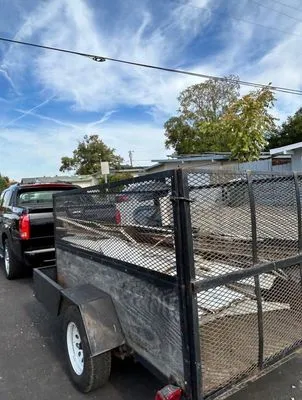
Nico No Limits is a trusted local service provider in Olympia, WA, specializing in comprehensive solutions for landscaping, demolition, and junk removal. Founded by Nico, the business operates on the ...
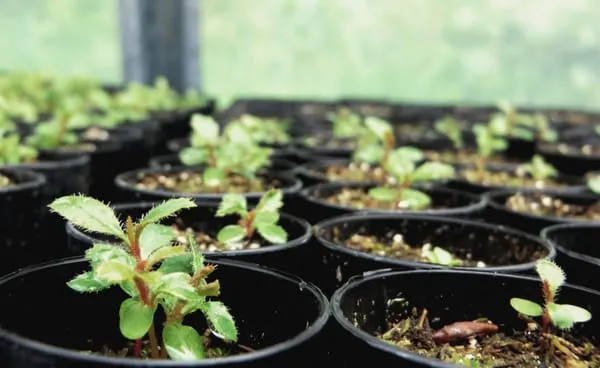
Sound Native Plants is an ecological restoration company founded in 1992 by Ben Alexander, who brings extensive experience from planning projects in Olympic and Yosemite National Parks and serving as ...
Beni Landscaping is a dedicated professional landscaping company serving Olympia, Tenino, Centralia, DuPont, Yelm, Chehalis, and surrounding communities. We specialize in comprehensive landscape desig...
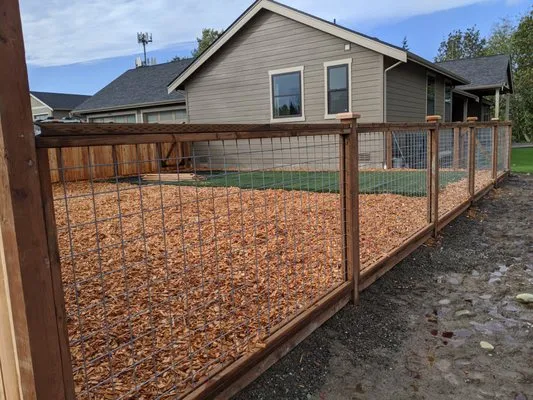
P&S Fencing and Landscaping is your trusted local partner for improving your Centralia, WA property. We believe the best projects start with a conversation, which is why we personally visit every site...
Halcon Landscape serves Olympia and the surrounding communities with professional landscape installation, fencing, and retaining wall construction. We focus on transforming your outdoor space into a f...
Estimated Landscaping Service Costs in Chehalis, WA
FAQs
Are basalt flagstone patios better than wood decks for durability?
Basalt flagstone provides 50+ year lifespan versus wood's 15-25 years, with zero maintenance beyond occasional power washing. Its non-combustible nature creates defensible space meeting WUI Zone 2 fire-wise requirements, unlike wood that requires chemical treatments. Permeable installation methods allow 80% stormwater infiltration compared to impervious surfaces, reducing runoff loads while providing stable footing in Chehalis' wet winter conditions without rotting or splintering.
Why does my Highland Park lawn have drainage issues and compacted soil?
Homes built around 1965 in Chehalis have 61-year-old soil profiles where decades of foot traffic and conventional maintenance have degraded structure. The silt loam common in this neighborhood naturally compacts over time, reducing permeability to less than 0.5 inches per hour. Core aeration with 3-4 inch depths and incorporation of 1-2 cubic yards of compost per 1,000 square feet annually rebuilds soil organic matter above 5%, improving water infiltration and root zone health.
How do I control invasive weeds without violating fertilizer regulations?
Targeted spot treatments for Himalayan blackberry or English ivy use glyphosate alternatives like iron-based herbicides during dry periods in late spring. These applications avoid Washington's phosphorus ban by using nitrogen-only formulations when soil temperatures exceed 55°F. Manual removal during early April mulching season prevents seed spread while organic pre-emergents like corn gluten meal suppress germination without chemical runoff into Chehalis watersheds.
What solutions work for chronically wet areas in my yard?
High seasonal saturation in Chehalis silt loam results from clay sub-horizons with infiltration rates below 0.1 inches per hour. Installing 4-6 inch deep French drains with washed gravel and geotextile fabric redirects subsurface flow. Permeable concrete or basalt flagstone hardscapes provide 30-40% void spaces for stormwater infiltration, meeting Chehalis Community Development Department runoff standards. These systems reduce ponding while preventing soil structure collapse from prolonged saturation.
Should I replace parts of my lawn with native plants?
Transitioning 30-50% of turf to salal, red flowering currant, western sword fern, and Douglas spirea reduces mowing frequency by 60% and eliminates gas-powered blower use ahead of tightening noise ordinances. These natives thrive in Zone 8b with minimal irrigation once established, supporting local pollinators while creating fire-resistant landscaping buffers. Their deep root systems improve soil stability and require only annual pruning rather than weekly maintenance.
How quickly can you respond to an emergency tree cleanup after a storm?
Our electric fleet operates within Chehalis noise ordinance hours and can dispatch from the Veterans Memorial Museum area within 20 minutes during peak conditions. Using I-5 access, we reach Highland Park properties in 20-30 minutes with chippers and loaders. This rapid response prevents secondary damage from fallen limbs while maintaining compliance with 7 AM to 10 PM operational windows, avoiding HOA violation notices for debris accumulation.
What permits and licenses are needed for regrading my 0.22-acre lot?
The Chehalis Community Development Department requires grading permits for soil movement exceeding 50 cubic yards on 0.22-acre parcels. Contractors must hold Washington State Department of Labor & Industries landscaping licenses with bonding for excavation work. Professional engineering stamps become necessary when slope modifications exceed 3:1 ratios or when working within 15 feet of property lines, ensuring compliance with sediment control ordinances and preventing downstream erosion violations.
How do I maintain my perennial ryegrass lawn during Stage 1 water restrictions?
Wi-Fi ET-based weather sensing irrigation calculates evapotranspiration rates specific to Chehalis microclimates, applying 0.75-1.25 inches weekly only when soil moisture drops below 50% field capacity. This system reduces water use 30-40% compared to timer-based schedules while preserving turf health. Programming follows municipal voluntary conservation guidelines by skipping cycles after 0.25 inches of rainfall and reducing runtime during peak summer evaporation periods above 85°F.
